Designed for healthcare professionals, hospital administrators, clinic managers, and aspiring healthcare leaders, the Healthcare Leadership and Hospital Management program develops practical skills in healthcare operations, patient experience, quality management, strategic planning, healthcare finance, and leadership development. Moreover, this intensive 5-day program provides practical tools to improve hospital performance, enhance patient care standards, strengthen team management, and support sustainable organizational growth within modern healthcare environments.
Healthcare Leadership and Hospital Management is a practical professional development program designed to strengthen the leadership and management capabilities of healthcare professionals, hospital administrators, and aspiring healthcare leaders. Moreover, the program provides a comprehensive understanding of modern hospital operations and effective healthcare service delivery. Furthermore, learners explore strategic planning, healthcare quality management, patient care excellence, and operational efficiency. In addition, the program develops practical approaches to managing healthcare teams and improving organizational performance. Participants also examine patient experience and learn how effective leadership can contribute to higher standards of care. Likewise, healthcare finance and resource management principles help learners make informed operational and strategic decisions. Consequently, participants gain practical tools for identifying challenges and implementing effective improvements within healthcare environments. The program also emphasizes communication, decision-making, problem-solving, and team leadership to support sustainable organizational growth. Therefore, the Healthcare Leadership and Hospital Management program is suitable for professionals seeking to advance their careers across hospitals, clinics, and healthcare facilities. Ultimately, learners can apply their knowledge to strengthen healthcare operations, improve patient satisfaction, and lead positive organizational change.
| Key Area | What You Will Learn |
|---|---|
| Healthcare Leadership | Develop strategic leadership, decision-making, and team management capabilities. |
| Hospital Operations | Understand operational processes and improve efficiency across healthcare facilities. |
| Patient Care Excellence | Learn approaches to enhance patient experience, satisfaction, and quality of care. |
| Quality Management | Apply quality improvement principles and support high standards of healthcare delivery. |
| Strategic Planning | Develop strategies to address organizational challenges and achieve healthcare objectives. |
| Healthcare Finance | Understand financial planning, resource allocation, and cost-effective decision-making. |
| Team Leadership | Strengthen communication, collaboration, motivation, and healthcare team performance. |
| Operational Efficiency | Identify opportunities to streamline processes and improve service delivery. |
| Professional Development | Build practical skills for leadership and management roles in healthcare environments. |
| Career Advancement | Prepare for increased responsibilities across hospitals, clinics, and healthcare organizations. |
Berkeley School of Business, Arts & Sciences
Dubai, United Arab Emirates
Our vision is to develop competent healthcare leaders capable of driving excellence, innovation, and operational effectiveness across healthcare organizations. Our mission is to provide practical, industry-focused healthcare management education that strengthens leadership capabilities, improves patient care outcomes, enhances organizational performance, and supports the sustainable growth of healthcare institutions in an evolving healthcare environment.
Duration: 5 Days (25 Hours Total)
Mode: Live Online | Classroom | Corporate Training
Assessment: Participation, Case Studies, Practical Exercises, Group Discussions
Examination: No Formal Examination
Award: Certificate of Completion in Healthcare Leadership & Hospital Management
Introduces leadership principles within hospitals and healthcare organizations, focusing on governance, ethical decision-making and effective multidisciplinary leadership.
Healthcare Leadership Principles
Leadership Styles and Competencies
Clinical and Corporate Governance
Ethical Decision-Making
Managing Multidisciplinary Teams
Examines the operational systems required to deliver efficient, coordinated and patient-centered hospital services.
Hospital Structures and Service Delivery
Patient Flow and Capacity Management
Workforce and Resource Planning
Healthcare Supply Chain Management
Operational Performance Indicators
Explores methods for improving patient experience, clinical quality and safety through structured measurement and continuous improvement.
Patient-Centered Care
Patient Experience Measurement
Healthcare Quality Standards
Patient Safety and Risk Management
Continuous Quality Improvement
Managing Complaints and Service Recovery
Develops the strategic and financial capabilities required to support sustainable hospital performance and informed organizational decision-making.
Strategic Planning in Healthcare
Environmental and Stakeholder Analysis
Healthcare Budgeting
Cost Control and Resource Allocation
Financial Performance Measurement
Sustainable Organizational Growth
Integrates leadership, operational and strategic concepts to help participants manage change, strengthen teams and improve hospital performance.
Organizational Change in Healthcare
Staff Engagement and Communication
Conflict Resolution and Team Performance
Healthcare Innovation and Digital Transformation
Hospital Performance Improvement
Leadership Action Planning
Berkeley offers expertly developed learning materials tailored to meet participants' needs, ensuring comprehensive coverage of the syllabus and optimal exam preparation.
‣ Tailored Material: Guides are designed to cover the entire syllabus, offering full preparation and deep understanding.
‣ In-Depth Content: Unlike superficial outlines, our materials provide fully developed theories and concepts, equipping participants with complete knowledge.
‣ Strategic Study: We help participants prioritize study time by indicating the weight of each topic, allowing efficient focus on crucial areas.
‣ Difficulty Levels: Topics are labeled as "Awareness" or "Proficiency," guiding participants to allocate time based on the required depth of knowledge.
‣ Comprehensive Coverage: Our materials include detailed theory and a glossary of technical terms to clarify complex concepts.
‣ Effective Learning Techniques: Visual aids and memorization techniques ensure long-lasting retention, helping candidates succeed.
Berkeley’s methodologies equip participants with the essential knowledge and tools for both exams and future success.
Our lecture plan integrates structured learning with interactive teaching methods, promoting engagement and collaboration. This approach ensures a comprehensive understanding of concepts, fostering critical thinking and practical application in real-world scenarios
Practice sessions offer hands-on experience through guided exercises, enhancing skills and reinforcing knowledge. This practical approach ensures mastery of concepts, promoting confidence and competence in real-world applications
Mock examinations simulate real test conditions, providing valuable practice and assessment. This helps identify strengths and weaknesses, ensuring thorough preparation and boosting confidence for actual exams
Evaluates and ensure the quality of the training program and all its deliverables. This is measured through the following indicators:
‣ Instructors' experience and style in presenting and explaining topics.
‣ Variety and balance of teaching methods (such as discussions, case studies, mock exams and videos) used in the course to ensure retention and to match the learning objectives.
‣ Level of interactivity.
‣ Feedback from program participants
‣ Full compliance with Institute standards and guidelines for preparation and study requirements and methodology.
‣ Progress reports from the training program provider.
Ideal for disciplined learners who prefer flexibility
Learn from expert instructors in real-time
Personalized, intensive learning experience
“As a strong advocate for education and human development, I commend Berkeley for its exceptional commitment to empowering future leaders. The institution stands as a symbol of excellence, innovation, and opportunity. Students who walk its halls are nurtured with knowledge, values, and vision—qualities that contribute to building a stronger and more prosperous future for our nation.”- H.H. Shaikh Khalifa Al Hamid
Alumni Benefits
‣ Exclusive Networking Events: Access invitations to industry-leading events and thought-leadership gatherings featuring renowned speakers.
‣ Monthly Updates: Stay informed with a newsletter highlighting the latest research, events, and activities from the school.
‣ LinkedIn Community Access: Join the Executive Education LinkedIn group for networking and professional development opportunities.
‣ Educational Discounts: Enjoy a 20% discount on open-enrollment programs and access to workshops focused on emerging trends.
‣ Global Alumni Network: Connect with a diverse alumni community through the Berkeley School’s online network and engage in country and interest groups.
Healthcare Leadership and Hospital Management develops practical knowledge and professional skills in healthcare leadership, hospital operations, strategic planning, patient care excellence, quality management, healthcare finance, risk management, team leadership, and operational efficiency. Moreover, it strengthens decision-making, communication, problem-solving, and organizational management capabilities, supporting progression into roles such as Hospital Administrator, Healthcare Manager, Health Services Manager, Hospital Operations Manager, Healthcare Consultant, Quality Improvement Manager, Clinical Governance Manager, Healthcare Operations Coordinator, Healthcare Executive, and Director of Healthcare Services.
Potential Career Earnings After Completing the Program:
Upon successful completion of the Healthcare Leadership and Hospital Management program, learners can progress toward advanced professional development and further study in healthcare management, leadership, public health, and related disciplines. Moreover, the skills developed through the program can support progression into supervisory, managerial, and leadership positions across hospitals, clinics, healthcare organizations, and public health services.
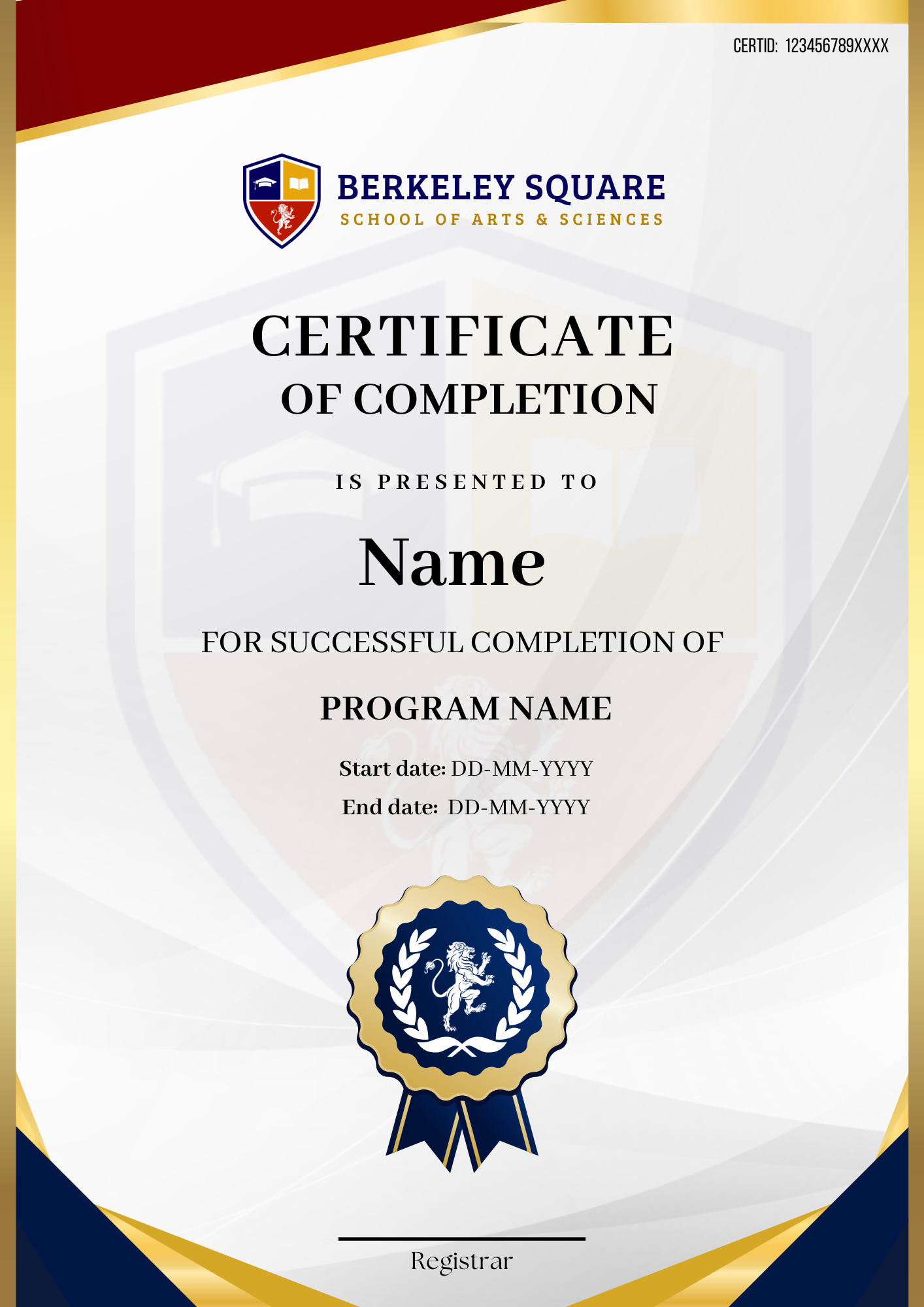
You will get a certificate of completion, which is highly reputed and accepted by employers.
Gain practical knowledge of healthcare operations, resource management, patient flow optimization, service delivery, and operational efficiency in hospitals and clinics.
Strengthen critical thinking, problem-solving, and strategic planning capabilities required to support healthcare organizational goals and performance.
Enhance your professional profile with industry-relevant leadership and hospital management competencies that support career growth and advancement opportunities.
Learn best practices for healthcare quality management, patient safety initiatives, service improvement, risk reduction, and maintaining high standards of patient care.
Understand healthcare regulations, governance principles, compliance requirements, ethical practices, and risk management frameworks that support effective healthcare operations.
Contact Us