The Crisis Leadership and Resilience program is designed to help professionals strengthen crisis-response, decision-making, and leadership capabilities in challenging situations. Moreover, it develops resilience, adaptability, communication, and risk-management skills, enabling leaders to respond confidently to uncertainty. Therefore, it is particularly valuable for professionals in energy, aviation, healthcare, and other sectors where effective crisis leadership is essential.
The Crisis Leadership and Resilience program is designed to equip professionals with the skills required to lead effectively during uncertainty, disruption, and high-pressure situations. Moreover, participants learn how to assess risks, identify emerging threats, and make informed decisions during crises. Furthermore, the program develops strategic communication skills to help leaders provide clear, timely, and confident guidance to stakeholders. In addition, learners explore practical approaches to maintaining team morale, trust, and productivity during challenging circumstances. Consequently, participants can respond more effectively to unexpected disruptions while maintaining organizational stability. The program also focuses on resilience, enabling leaders and teams to adapt to changing conditions and recover from setbacks. Additionally, participants develop crisis-response strategies that support business continuity and organizational preparedness. Therefore, the program is particularly relevant to professionals working in demanding sectors such as energy, aviation, healthcare, finance, and corporate management. Ultimately, Crisis Leadership and Resilience helps professionals strengthen adaptability, decision-making, communication, and leadership capabilities. As a result, participants can lead with greater confidence and support sustainable organizational performance during and after critical events.
| Area | Key Development |
|---|---|
| Crisis Leadership | Lead teams confidently during uncertainty and disruption |
| Risk Assessment | Identify potential threats and evaluate crisis-related risks |
| Decision-Making | Make timely and informed decisions under pressure |
| Strategic Communication | Deliver clear and effective communication during crises |
| Team Resilience | Maintain team morale, trust, and productivity during challenges |
| Crisis Response | Develop structured approaches for managing critical situations |
| Adaptability | Respond effectively to changing circumstances and unexpected events |
| Business Continuity | Support organizational stability and operational preparedness |
| Stakeholder Management | Maintain effective relationships with employees and key stakeholders |
| Organizational Resilience | Build long-term capacity to recover, adapt, and perform after crises |
Berkeley School of Business, Arts & Sciences
Dubai, UAE
To empower professionals to lead confidently through uncertainty, disruption, and high-pressure situations. Moreover, the program aims to develop resilient leaders who can make informed decisions, communicate effectively, manage risks, support teams, and maintain organizational stability during crises. Ultimately, it prepares professionals to adapt to changing circumstances, strengthen organizational resilience, and achieve sustainable performance in challenging environments.
The Crisis Leadership and Resilience program is structured across 6 core modules delivered over 3 days. The course combines leadership principles, practical crisis-response strategies, decision-making techniques, communication skills, risk management, and organizational resilience. Moreover, participants develop the ability to assess emerging threats, coordinate teams, communicate effectively with stakeholders, and make informed decisions under pressure. Consequently, the program provides a practical framework for preparing organizations for disruption, managing crises effectively, and supporting sustainable recovery.
Develop a strong foundation in crisis leadership by understanding crisis types, leadership responsibilities, preparedness principles, and the role of leaders in guiding organizations through uncertainty. Moreover, participants explore practical approaches to maintaining control, confidence, and organizational stability during challenging situations.
Understanding Crisis Leadership
Leadership Roles During Crises
Crisis Preparedness and Readiness
Leading Teams Under Pressure
Build effective decision-making capabilities for complex and rapidly changing crisis situations. Furthermore, participants learn how to assess information, evaluate risks, prioritize actions, and make timely decisions while managing uncertainty and pressure.
Crisis Assessment and Analysis
Decision-Making Under Pressure
Risk-Based Prioritization
Critical Thinking in Crisis Situations
Explore strategies for strengthening organizational resilience and improving the ability to withstand, adapt to, and recover from disruptions. In addition, participants examine resilience planning, adaptability, resource management, and organizational preparedness.
Foundations of Organizational Resilience
Resilience Planning and Preparedness
Adaptability and Resource Management
Building a Resilient Organizational Culture
Develop clear, strategic, and timely communication skills for managing stakeholders during crises. Moreover, participants learn how to communicate critical information, maintain trust, manage expectations, and support coordinated responses across teams and organizations.
Principles of Crisis Communication
Stakeholder Communication
Managing Information and Messaging
Maintaining Trust During Crises
Learn how risk management and business continuity practices support effective crisis preparedness and organizational stability. Consequently, participants develop practical skills for identifying threats, assessing vulnerabilities, maintaining critical operations, and preparing continuity strategies.
Crisis Risk Identification
Business Continuity Principles
Critical Operations and Recovery
Risk Mitigation Strategies
Develop strategies for leading organizations through recovery and strengthening long-term resilience after a crisis. Finally, participants explore recovery planning, organizational learning, post-crisis evaluation, and continuous improvement to support sustainable performance.
Strategic Crisis Recovery
Post-Crisis Evaluation
Organizational Learning
Continuous Resilience Improvement
Berkeley offers expertly developed learning materials tailored to meet participants' needs, ensuring comprehensive coverage of the syllabus and optimal exam preparation.
‣ Tailored Material: Guides are designed to cover the entire syllabus, offering full preparation and deep understanding.
‣ In-Depth Content: Unlike superficial outlines, our materials provide fully developed theories and concepts, equipping participants with complete knowledge.
‣ Strategic Study: We help participants prioritize study time by indicating the weight of each topic, allowing efficient focus on crucial areas.
‣ Difficulty Levels: Topics are labeled as "Awareness" or "Proficiency," guiding participants to allocate time based on the required depth of knowledge.
‣ Comprehensive Coverage: Our materials include detailed theory and a glossary of technical terms to clarify complex concepts.
‣ Effective Learning Techniques: Visual aids and memorization techniques ensure long-lasting retention, helping candidates succeed.
Berkeley’s methodologies equip participants with the essential knowledge and tools for both exams and future success.
Our lecture plan integrates structured learning with interactive teaching methods, promoting engagement and collaboration. In addition, this approach ensures a comprehensive understanding of concepts, fostering critical thinking and practical application in real-world scenarios
Practice sessions offer hands-on experience through guided exercises, enhancing skills and reinforcing knowledge. Moreover, this practical approach ensures mastery of concepts, promoting confidence and competence in real-world applications
Mock examinations simulate real test conditions, providing valuable practice and assessment. This helps identify strengths and weaknesses, ensuring thorough preparation and boosting confidence for actual exams
Evaluates and ensure the quality of the training program and all its deliverables. This is measured through the following indicators:
‣ Instructors' experience and style in presenting and explaining topics.
‣ Variety and balance of teaching methods (such as discussions, case studies, mock exams and videos) used in the course to ensure retention and to match the learning objectives.
‣ Level of interactivity.
‣ Feedback from program participants
‣ Full compliance with Institute standards and guidelines for preparation and study requirements and methodology.
‣ Progress reports from the training program provider.
Ideal for disciplined learners who prefer flexibility
Learn from expert instructors in real-time
Personalized, intensive learning experience
“As a strong advocate for education and human development, I commend Berkeley for its exceptional commitment to empowering future leaders. The institution stands as a symbol of excellence, innovation, and opportunity. Students who walk its halls are nurtured with knowledge, values, and vision—qualities that contribute to building a stronger and more prosperous future for our nation.”- H.H. Shaikh Khalifa Al Hamid
Alumni Benefits
‣ Exclusive Networking Events: Access invitations to industry-leading events and thought-leadership gatherings featuring renowned speakers.
‣ Monthly Updates: Stay informed with a newsletter highlighting the latest research, events, and activities from the school.
‣ LinkedIn Community Access: Join the Executive Education LinkedIn group for networking and professional development opportunities.
‣ Educational Discounts: Enjoy a 20% discount on open-enrollment programs and access to workshops focused on emerging trends.
‣ Global Alumni Network: Connect with a diverse alumni community through the Berkeley School’s online network and engage in country and interest groups.
The Crisis Leadership and Resilience program is a valuable professional development program for CEOs, executives, managers, crisis management professionals, risk managers, business continuity specialists, operations leaders, emergency management professionals, and corporate decision-makers seeking expertise in crisis response, strategic decision-making, organizational resilience, crisis communication, risk management, and leadership under pressure.
UK: £45,000–£120,000+ per year
Middle East: AED 180,000–600,000+ per year
USA: USD 80,000–190,000+ per year
Asia & Africa: Competitive salaries based on experience, industry, organizational size, leadership responsibilities, professional qualifications, crisis-management expertise, regulatory requirements, and experience in Crisis Leadership and Resilience.
After completing Crisis Leadership and Resilience, professionals can progress into advanced leadership, risk management, and organizational resilience roles through the Executive Leadership & Strategic Thinking program. Furthermore, learners can deepen their understanding of crisis preparedness and resilience by exploring the ISO 22301 Business Continuity Management guidance. Consequently, these progression opportunities can strengthen strategic decision-making, crisis communication, risk assessment, business continuity, and organizational resilience capabilities.
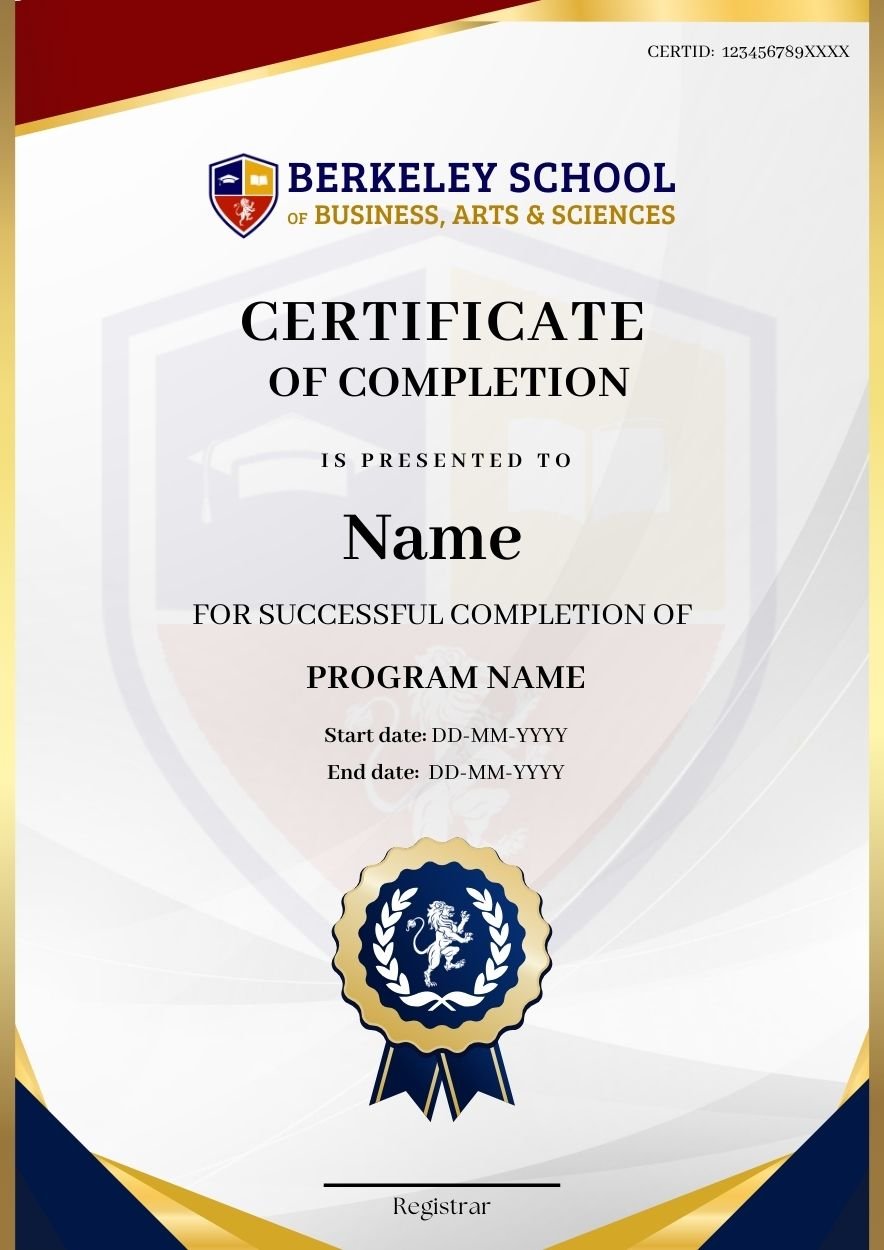
You will get a certificate of completion, which is highly reputed and accepted by employers.
Learn practical strategies to improve organizational preparedness, adaptability, recovery, and resilience during unexpected disruptions.
Develop clear and strategic communication skills to manage stakeholders, maintain trust, and deliver effective messages during challenging situations.
Build crisis-management and resilience capabilities that can prepare you for senior leadership, risk management, business continuity, and emergency management roles.
Contact Us