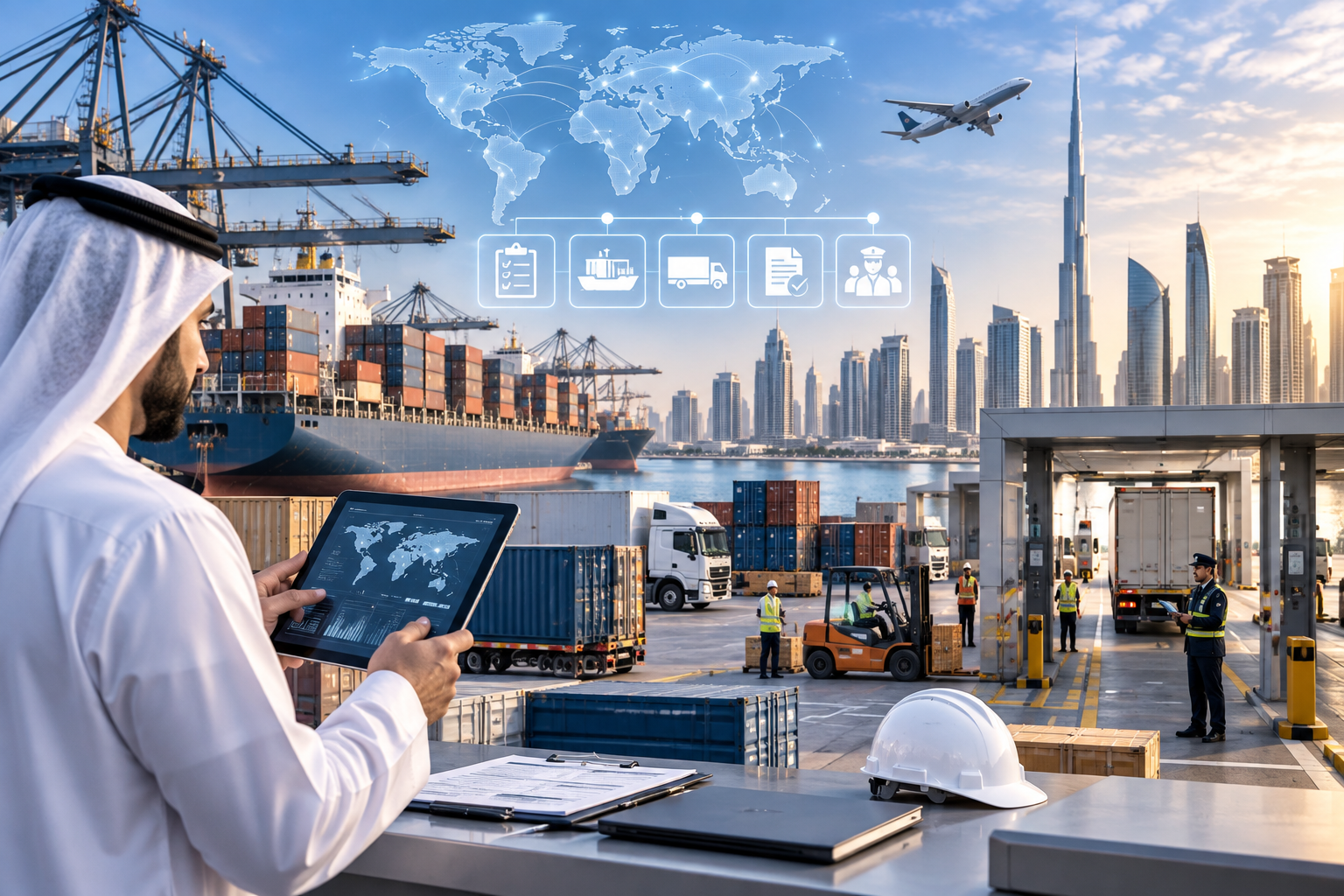
The Trade Facilitation Training course focuses on simplifying international trade processes to enhance efficiency and reduce barriers. It covers key topics such as customs procedures, technology integration, and compliance with international trade agreements. Participants will learn best practices in logistics and documentation, equipping them to streamline trade operations and support the smooth flow of goods across borders, ultimately contributing to more efficient global trade.
Trade Facilitation Training is designed to enhance the understanding and skills of professionals involved in international trade, focusing on simplifying and streamlining trade processes. This course covers the principles and practices that reduce trade barriers, improve customs procedures, and ensure the smooth movement of goods across borders. Participants will explore various aspects of trade facilitation, including the use of technology in customs clearance, the role of international agreements such as the World Trade Organization's Trade Facilitation Agreement (WTO TFA), and the importance of collaboration between public and private sectors. The training emphasizes the adoption of best practices in logistics, documentation, and compliance with trade regulations, aiming to improve efficiency, reduce costs, and promote global trade. Through interactive sessions and case studies, learners will gain practical insights into the challenges and solutions in trade facilitation, preparing them to contribute effectively to the global supply chain.
Trade Facilitation Training programs have been established in response to the increasing importance of efficient global trade practices, particularly following agreements such as the World Trade Organization’s Trade Facilitation Agreement (TFA), which came into force in 2017.
Berkeley School of Business, Arts & Sciences
The Trade Facilitation Training program aims to equip professionals with the knowledge and skills required to streamline cross-border trade processes. The mission is to enhance global trade efficiency, reduce delays, and ensure compliance with international trade regulations, thereby contributing to economic growth and development.
Introductory Courses:
Intermediate-Level Courses:
Advanced/Specialized Courses:
Certification Programs:
The first day provides a foundational understanding of trade facilitation, its global significance, and relevance to the UAE’s strategic vision. Participants explore the UAE’s trade ecosystem, key economic corridors, and the roles of customs, ports, and free zones. Interactive mapping of the import/export process helps participants contextualize local trade flows within global supply chains.
Focuses on the structure and provisions of the WTO Trade Facilitation Agreement (TFA), examining how the UAE has implemented its commitments under categories A, B, and C. Through real-world case studies, participants analyze the UAE’s compliance efforts and the broader impact of the TFA on efficiency, transparency, and global competitiveness.
Participants dive into the modernization of customs operations and smart border technologies. The session covers the UAE’s risk-based customs clearance systems, the use of blockchain and AI, and digital platforms like Mirsal 2 and Bayan. A simulated customs clearance activity reinforces practical understanding of UAE’s digital trade environment.
This day explores the UAE’s advanced logistics infrastructure and its role as a global transit and re-export hub. Participants examine strategic assets like Jebel Ali Port, Etihad Rail, and GCC-wide transit agreements. The session also highlights the contribution of free zones and special economic areas in accelerating trade facilitation and regional integration.
Emphasizes the importance of stakeholder collaboration and performance measurement in trade facilitation. Through discussions on KPIs and national strategy development, participants explore how public-private partnerships drive innovation and efficiency. A hands-on workshop on drafting a UAE trade facilitation action plan concludes the training, aligning it with national goals.
Concept, benefits, global trends
UN, WTO, and WCO frameworks
Major trade corridors and partners
Free zones, customs zones, and smart ports - Key Stakeholders in UAE Trade
MOEI, UAE Customs, DP World, JAFZA, exporters/importers - Mapping the UAE Import/Export Supply Chain
Transparency, procedures, fees, clearance - UAE’s Implementation of WTO TFA
Berkeley offers expertly developed learning materials tailored to meet participants' needs, ensuring comprehensive coverage of the syllabus and optimal exam preparation.
‣ Tailored Material: Guides are designed to cover the entire syllabus, offering full preparation and deep understanding.
‣ In-Depth Content: Unlike superficial outlines, our materials provide fully developed theories and concepts, equipping participants with complete knowledge.
‣ Strategic Study: We help participants prioritize study time by indicating the weight of each topic, allowing efficient focus on crucial areas.
‣ Difficulty Levels: Topics are labeled as "Awareness" or "Proficiency," guiding participants to allocate time based on the required depth of knowledge.
‣ Comprehensive Coverage: Our materials include detailed theory and a glossary of technical terms to clarify complex concepts.
‣ Effective Learning Techniques: Visual aids and memorization techniques ensure long-lasting retention, helping candidates succeed.
Berkeley’s methodologies equip participants with the essential knowledge and tools for both exams and future success.
Our lecture plan integrates structured learning with interactive teaching methods, promoting engagement and collaboration. This approach ensures a comprehensive understanding of concepts, fostering critical thinking and practical application in real-world scenarios
Practice sessions offer hands-on experience through guided exercises, enhancing skills and reinforcing knowledge. This practical approach ensures mastery of concepts, promoting confidence and competence in real-world applications
Mock examinations simulate real test conditions, providing valuable practice and assessment. This helps identify strengths and weaknesses, ensuring thorough preparation and boosting confidence for actual exams
Ideal for disciplined learners who prefer flexibility
Learn from expert instructors in real-time
Personalized, intensive learning experience
“As a strong advocate for education and human development, I commend Berkeley for its exceptional commitment to empowering future leaders. The institution stands as a symbol of excellence, innovation, and opportunity. Students who walk its halls are nurtured with knowledge, values, and vision—qualities that contribute to building a stronger and more prosperous future for our nation.”- H.H. Shaikh Khalifa Al Hamid
‣ Exclusive Networking Events: Access invitations to industry-leading events and thought-leadership gatherings featuring renowned speakers.
‣ Monthly Updates: Stay informed with a newsletter highlighting the latest research, events, and activities from the school.
‣ LinkedIn Community Access: Join the Executive Education LinkedIn group for networking and professional development opportunities.
‣ Educational Discounts: Enjoy a 20% discount on open-enrollment programs and access to workshops focused on emerging trends.
‣ Global Alumni Network: Connect with a diverse alumni community through the Berkeley School’s online network and engage in country and interest groups.
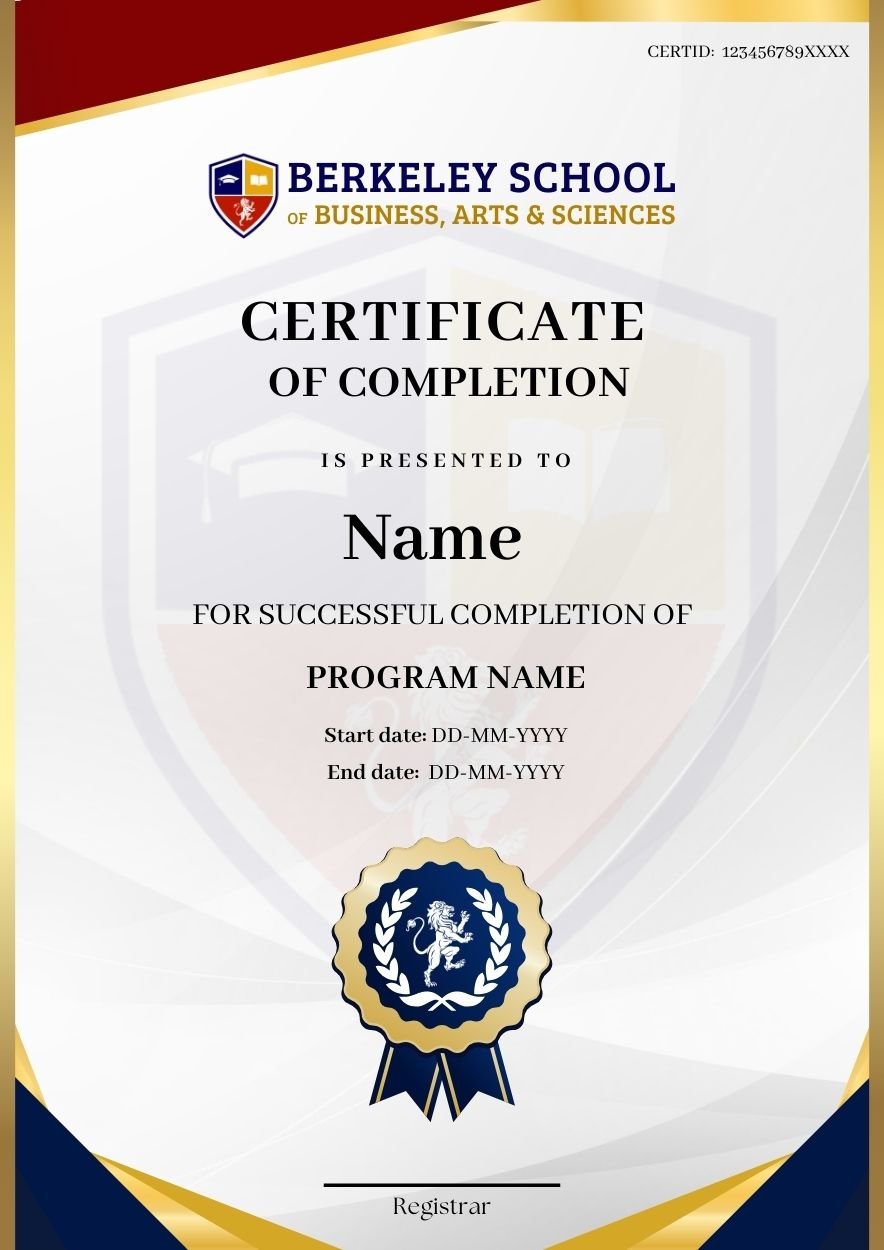
You will get a certificate of completion, which is highly reputed and accepted by employers.
Learn to navigate and comply with international trade regulations and customs procedures.
Gain strategies to streamline trade processes, reducing delays and costs in global trade operations.
Understand how to manage risks associated with cross-border trade and logistics.
Enhance your ability to facilitate trade on a global scale, improving your organization's competitive edge.
Connect with trade professionals and experts to expand your global network and share best practices.