Team Collaboration

BERKELEY SCHOOL OF BUSINESS, ARTS & SCIENCES

Develop the communication, coordination, and relationship-building skills required to work effectively within diverse teams. Through practical learning, this course helps participants strengthen trust, manage differences, share responsibilities, and ultimately achieve common objectives.

Team Collaboration

Overview

Team Collaboration

In addition, participants learn how to communicate expectations clearly, listen actively, exchange constructive feedback, and contribute confidently during discussions. Furthermore, the course addresses common teamwork challenges, including unclear responsibilities, interpersonal conflict, limited engagement, poor coordination, and resistance to different viewpoints.

Through practical activities, workplace scenarios, and collaborative exercises, participants develop skills in joint problem-solving, inclusive decision-making, meeting management, accountability, and conflict resolution. Moreover, they examine methods for building trust and psychological safety, thereby encouraging team members to share ideas openly and raise concerns with confidence.

Whether working in onsite, remote, or hybrid environments, the course is suitable for employees, supervisors, project teams, team leaders, and other professionals. By the end of the training, participants will be better prepared to cooperate across roles, manage disagreements professionally, and ultimately contribute to stronger team performance.

Team Collaboration TopicLearning Outcome
Effective CommunicationCommunicate clearly, listen actively, and provide constructive feedback.
Team CoordinationOrganize tasks, clarify responsibilities, and improve collaboration.
Trust BuildingFoster mutual respect, accountability, and psychological safety.
Conflict ResolutionAddress disagreements professionally and resolve workplace conflicts.
Decision-MakingContribute to inclusive discussions and shared decision-making.
Problem-SolvingWork collaboratively to identify issues and develop practical solutions.
Relationship BuildingStrengthen professional relationships across diverse teams.
Team PerformanceSupport productivity, engagement, and achievement of shared goals.

Offered By

Berkeley School of Business, Arts & Sciences

Vision & Mission

Our vision and mission are to inspire inclusive, high-performing teams by equipping individuals with practical communication, trust-building, coordination, problem-solving, and conflict-resolution skills. Through collaborative learning and real-world application, we aim to strengthen professional relationships, foster mutual accountability, and ultimately support shared success.

What is the eligibility?

  • Open to employees, supervisors, team leaders, managers, project members, and professionals from any industry.
  • No formal qualifications or previous training are required.
  • Participants should have basic communication skills and a willingness to participate in group activities and practical exercises.

Who can do?

Team Collaboration
anyone who is interested to learn about following concepts can pursue Team Collaboration:
Team Communication, Trust Building, Collaborative Problem-Solving, Conflict Resolution, Active Listening and Feedback, Team Coordination, Inclusive Decision-Making, Remote and Hybrid Collaboration.
individuals with the following designations:
Team Leaders, Supervisors, Project Coordinators, Department Managers, HR Professionals, Operations Coordinators, Project Team Members, Administrative Professionals, Emerging Leaders, Collaboration Facilitators.

Course structure

Module 1: Foundations of Team Collaboration

Explore the principles of effective teamwork and understand how shared goals, clearly defined roles, and a collaborative mindset contribute to team success.


Included

Understanding Effective Collaboration

Included

Establishing Shared Goals

Included

Defining Team Roles and Responsibilities

Included

Developing a Collaborative Mindset

Module 2: Communication and Active Listening

Develop clear communication and active listening skills that strengthen understanding, reduce misunderstandings, and support productive working relationships.

Included

Clear and Professional Team Communication

Included

Active Listening Techniques

Included

Giving and Receiving Constructive Feedback

Included

Overcoming Communication Barriers

Module 3: Trust, Inclusion and Psychological Safety

Learn how to create a respectful and inclusive environment where team members feel valued, trusted, and confident when contributing ideas or raising concerns.

Included

Building Trust Within Teams

Included

Creating Psychological Safety

Included

Encouraging Inclusive Participation

Included

Maintaining Respectful Professional Conduct

Module 4: Accountability and Team Performance

Understand how role clarity, shared accountability, performance expectations, and progress monitoring help teams remain focused and achieve desired results.


Included

Clarifying Roles and Responsibilities

Included

Building Individual and Shared Accountability

Included

Setting Team Performance Expectations

Included

Monitoring Progress and Results

Module 5: Conflict Resolution and Collaborative Problem-Solving

Develop practical strategies for managing disagreements, solving problems collectively, and making balanced decisions that support team objectives.


Included

Identifying Sources of Team Conflict

Included

Managing Disagreements Constructively

Included

Collaborative Problem-Solving Techniques

Included

Consensus Building and Decision-Making

Module 6: Digital Collaboration and Continuous Improvement

Apply collaboration tools and flexible working practices to improve communication, knowledge sharing, coordination, and performance across modern teams.

Included

Using Digital Collaboration Tools

Included

Managing Remote and Hybrid Teamwork

Included

Sharing Knowledge and Information

Included

Reviewing and Improving Team Collaboration

Learning Methodology

Berkeley offers expertly developed learning materials tailored to meet participants' needs, ensuring comprehensive coverage of the syllabus and optimal exam preparation.

‣ Tailored Material: Guides are designed to cover the entire syllabus, offering full preparation and deep understanding.

‣ In-Depth Content: Unlike superficial outlines, our materials provide fully developed theories and concepts, equipping participants with complete knowledge.

‣ Strategic Study: We help participants prioritize study time by indicating the weight of each topic, allowing efficient focus on crucial areas.

‣ Difficulty Levels: Topics are labeled as "Awareness" or "Proficiency," guiding participants to allocate time based on the required depth of knowledge.

‣ Comprehensive Coverage: Our materials include detailed theory and a glossary of technical terms to clarify complex concepts.

‣ Effective Learning Techniques: Visual aids and memorization techniques ensure long-lasting retention, helping candidates succeed.

Berkeley’s methodologies equip participants with the essential knowledge and tools for both exams and future success.

Team Collaboration
Lectures

Our lecture plan integrates structured learning with interactive teaching methods, promoting engagement and collaboration. This approach ensures a comprehensive understanding of concepts, fostering critical thinking and practical application in real-world scenarios.

Team Collaboration
Practice Session

Practice sessions offer hands-on experience through guided exercises, enhancing skills and reinforcing knowledge. This practical approach ensures mastery of concepts, promoting.

Team Collaboration
Mock Examination

Mock examinations simulate real test conditions, providing valuable practice and assessment. This helps identify strengths and weaknesses, ensuring thorough preparation and boosting confidence for actual exams.

Berkeley Middle East Performance Standards

Evaluates and ensure the quality of the training program and all its deliverables.  This is measured through the following indicators:
‣ Instructors' experience and style in presenting and explaining topics.
‣ Variety and balance of teaching methods (such as discussions, case studies, mock exams and videos) used in the course to ensure retention and to match the learning objectives.
‣ Level of interactivity.
‣ Feedback from program participants
‣ Full compliance with Institute standards and guidelines for preparation and study requirements and methodology.
‣ Progress reports from the training program provider.

What Are The Exam Information?

Team Collaboration

The Team Collaboration course uses practical assessments instead of a formal external examination. Participants demonstrate their ability to communicate effectively, coordinate responsibilities, resolve disagreements, contribute to decisions, and work toward shared goals. Assessment may include scenario-based activities, group exercises, individual reflections, peer feedback, and a team presentation.


Exam format & duration

Assessments are integrated into the training and focus on applying collaboration skills to realistic workplace situations.

Assessment ComponentsAssessment StructureIndicative Duration
Individual Learning ActivitiesShort quizzes, reflective tasks, and scenario-based questions covering communication, trust, feedback, team roles, and conflict resolution.30–45 minutes
Collaborative Team ExerciseA group case study requiring participants to allocate responsibilities, solve a problem, make joint decisions, and present an agreed action plan.45–60 minutes
Assessment Schedule

Assessments are normally completed during the scheduled training sessions. There are no centrally fixed examination dates, and the complete assessment timetable is shared with participants before the course begins.

Registration Deadline

Registration should be completed before the announced course start date. Early registration is recommended because places may be limited for interactive group activities.

Passing Criteria

Participants must complete the required learning activities, participate actively in collaborative exercises, and demonstrate satisfactory achievement of the course outcomes. Any attendance or scoring requirements will be confirmed before training begins.

Assessment Locations

Assessments may be completed at an approved training center, the client’s workplace, or through a live virtual classroom, depending on the selected delivery method. The exact venue or online access details are provided after registration.


Dubai
Abu Dhabi
London
Manchester
Birmingham
Live Online
Team Collaboration

Success Stories

“As a strong advocate for education and human development, I commend Berkeley for its exceptional commitment to empowering future leaders. The institution stands as a symbol of excellence, innovation, and opportunity. Students who walk its halls are nurtured with knowledge, values, and vision, qualities that contribute to building a stronger and more prosperous future for our nation.”- H.H. Shaikh Khalifa Al Hamid

Visit Our Alumni

Alumni Benefits

‣ Exclusive Networking Events: Access invitations to industry-leading events and thought-leadership gatherings featuring renowned speakers.


‣ Monthly Updates: Stay informed with a newsletter highlighting the latest research, events, and activities from the school.


‣ LinkedIn Community Access: Join the Executive Education LinkedIn group for networking and professional development opportunities.


‣ Educational Discounts: Enjoy a 20% discount on open-enrollment programs and access to workshops focused on emerging trends.


‣ Global Alumni Network: Connect with a diverse alumni community through the Berkeley School’s online network and engage in country and interest groups.

Is It Worth the Investment?

Completing the Team Collaboration course develops practical skills in workplace communication, active listening, trust-building, conflict resolution, shared decision-making, and team coordination. These capabilities are widely applied in project management, human resources, operations, administration, customer service, and leadership roles. The course can strengthen progression toward roles such as Team Leader, Supervisor, Project Coordinator, Operations Coordinator, Department Manager, and HR Professional.

United Kingdom: GBP 25,000–GBP 40,000 (National Careers Service)
United States: USD 43,540–USD 103,780 (U.S. Bureau of Labor Statistics)
United Arab Emirates: AED 22,212–AED 168,000 (Naukrigulf)
Canada: CAD 34,424–CAD 75,005 (Government of Canada Job Bank)
Saudi Arabia: SAR 22,800–SAR 180,000 (Naukrigulf)

Team Collaboration

Progression Route:

After completing the Team Collaboration course, participants may progress to Communication & Presentation Skills, Negotiation & Influencing Skills, Train the Trainer, Customer Service Excellence, or leadership and management training. The acquired skills can also support career development toward roles such as Team Leader, Supervisor, Project Coordinator, Operations Coordinator, and Department Manager.

What You Earn

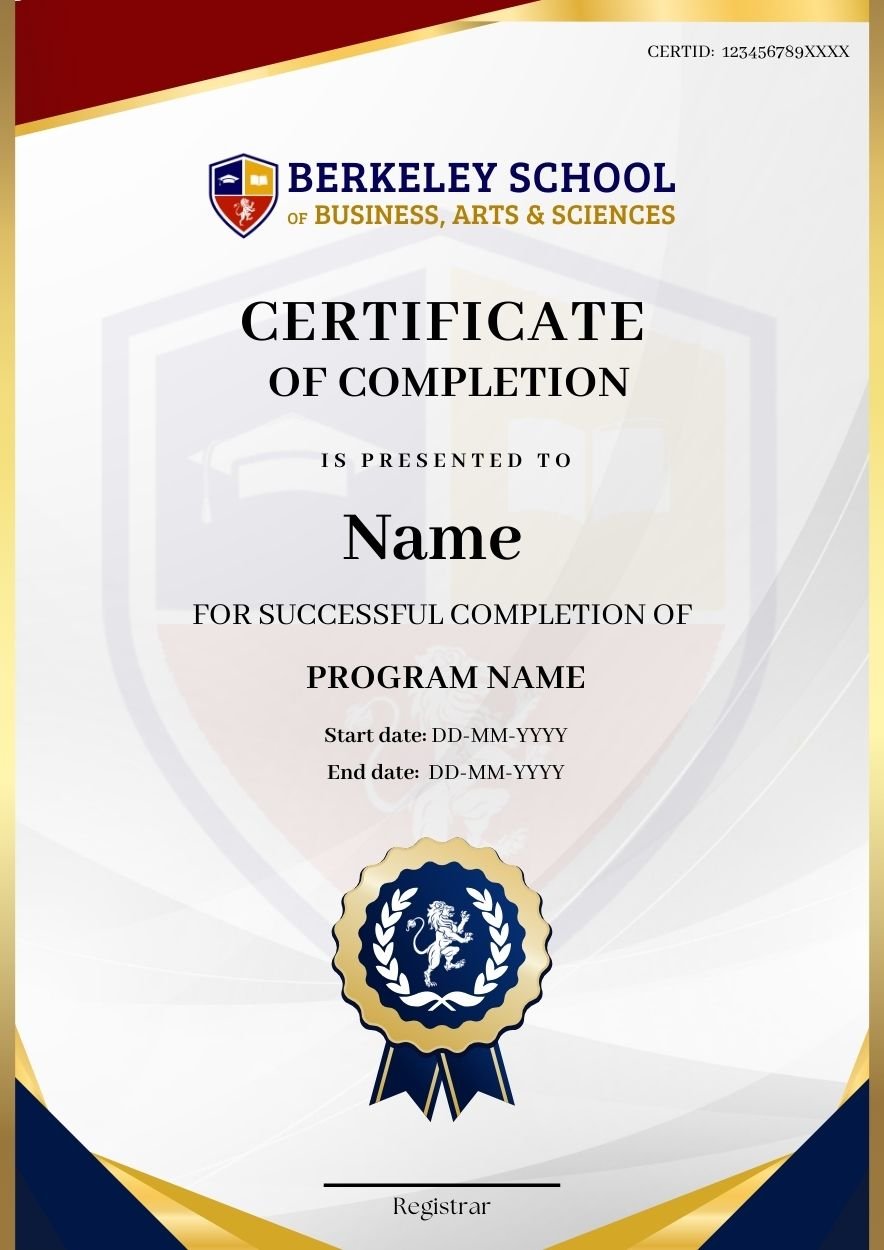
You will get a certificate of completion, which is highly reputed and accepted by employers

Team Collaboration

Stronger Trust and Engagement

Build respectful professional relationships that encourage accountability, inclusion, participation, and psychological safety.

Better Coordination and Productivity

Clarify responsibilities, align individual efforts with shared goals, and improve the efficiency of team activities.

Collaborative Leadership Skills

Strengthen decision-making, problem-solving, motivation, and collaboration across onsite, remote, and hybrid teams.

Improved Team Communication

Develop clear communication, active listening, questioning, and constructive feedback skills to reduce misunderstandings.

Effective Conflict Resolution

Learn practical techniques for managing disagreements, addressing concerns, and finding mutually acceptable solutions.

Related courses

Organizational Excellence Training (OET)

The Organizational Excellence Training focuses on enhancing skills in quality management, process optimization, and strategic planning. It covers methodologies like Six Sigma and Lean management, aiming to improve operational efficiency and foster a culture of continuous improvement. Participants will learn leadership practices and strategies to achieve superior organizational performance and drive innovation.

Read More
Train The Trainer Program

First, the Train The Trainer Program develops the knowledge and practical skills required to design and deliver effective training programs. Throughout the program, participants learn instructional design, presentation and facilitation techniques, and methods for creating engaging learning materials. In addition, the program covers adult learning principles, managing different learning styles, evaluating training effectiveness, and providing constructive feedback. As a result, participants gain the confidence and expertise to deliver impactful, engaging, and successful training sessions across a variety of professional environments.

Read More
Executive Leadership & Strategic Thinking

Duration: 5 days

Price: AED 8,000 – 12,000

Why it sells: Deloitte UAE notes 92% of firms see leadership gaps. UAE Vision 2031 emphasises leadership in government & private sector.
 

Read More
Emotional Intelligence (EQ) for Leaders

Duration: 2 days

Price: AED 3,500 – 5,500

Why it sells: UAE HR leaders value EQ — LinkedIn UAE 2024 lists it in top 5 soft skills demanded.


Read More
Change Management

The Change Management program equips professionals with the knowledge and practical skills to plan, implement, and lead organizational change initiatives that improve business performance, employee engagement, and long-term organizational success.

Read More
Negotiation & Influencing Skills

The Negotiation & Influencing Skills program equips professionals with the knowledge and practical techniques to negotiate confidently, influence stakeholders, build strong business relationships, and achieve successful outcomes in complex workplace environments.


Read More
Customer Service Excellence

Develop the communication, problem-solving, and relationship-management skills required to deliver consistent, professional, and memorable customer experiences. Throughout the course, you will learn practical techniques to handle customer interactions effectively. In addition, you will build confidence in resolving challenges and strengthening customer relationships. As a result, you will be better equipped to provide exceptional service and contribute to long-term customer satisfaction.

Read More
Communication and Presentation Skills

Develop the ability to communicate clearly in the workplace and deliver structured, audience-focused presentations. Throughout the course, participants learn business messaging, active listening, meeting communication, slide planning, and data explanation. In addition, they develop skills in delivering virtual presentations and handling audience questions confidently. As a result, participants become more effective communicators in a wide range of professional settings.

Read More

FAQ: Team Collaboration

Contact Us