BERKELEY SCHOOL OF BUSINESS, ARTS & SCIENCES

Permit To work (PTW)

A Permit to Work (PTW) is a formal, documented system used to control certain types of work that are potentially hazardous. It is a critical part of safety management in industries such as oil & gas, construction, manufacturing, and chemical processing.

Overview

A Permit to Work (PTW) system is a formal safety procedure used to control high-risk activities such as hot work, electrical tasks, confined space entry, and working at heights. It ensures proper authorization, risk assessment, and communication among workers, supervisors, and safety personnel before work begins. The system defines clear responsibilities, outlines safety measures, and requires monitoring throughout the task to prevent accidents. By promoting accountability and hazard control, PTW systems help organizations comply with safety regulations and maintain a secure work environment.

Offered By

Astutis

Head office

Suite 215/216, 2nd FloorFort Dunlop, Fort Parkway, Birmingham, B24 9FD United Kingdom

Vision & Mission

Astutis' vision is to be a global leader in delivering high-quality health, safety, and environmental training that enables organizations to create safer work environments. Their mission is to provide accessible, flexible, and accredited training solutions that empower individuals and organizations to meet regulatory requirements and enhance workplace safety. By offering innovative learning options, Astutis aims to support the development of safer, more compliant workplaces worldwide.

What is the Eligibility?

Typically, there are no specific prerequisites for this certification. It is suitable for individuals interested in Permit To work (PTW), regardless of their background.

Who can do?
anyone who is interested to learn about following concepts can pursue Permit To work (PTW):
Basics of safety permits, Workplace hazard control, Issuing and receiving ptw, Understanding risk assessment, Site-specific safety needs, Legal compliance essentials, Emergency response protocols, Multi-task coordination, Safety communication tools.
individuals with the following designations:
After completing this course, learners can pursue roles such as Safety Officer, Site Supervisor, HSE Coordinator, Permit Issuer, Safety Auditor, or Compliance Manager. These positions are essential in industries like oil & gas, construction, energy, and manufacturing, where permit systems are vital for operational safety..

Course structure

Module 1: Introduction to Permit to Work (PTW)

System provides an overview of the PTW system, focusing on its purpose, importance, and key components. It covers the types of work that require a permit, including high-risk activities like hot work, confined space entry, and electrical tasks. The module explains the roles and responsibilities of the permit issuer, holder, and workers. Learners will understand the steps involved in obtaining and using a PTW to ensure workplace safety and compliance.

Lecture plan

Learning Methodology

Berkeley offers expertly developed learning materials tailored to meet participants' needs, ensuring comprehensive coverage of the syllabus and optimal exam preparation.

‣ Tailored Material: Guides are designed to cover the entire syllabus, offering full preparation and deep understanding.

‣ In-Depth Content: Unlike superficial outlines, our materials provide fully developed theories and concepts, equipping participants with complete knowledge.

‣ Strategic Study: We help participants prioritize study time by indicating the weight of each topic, allowing efficient focus on crucial areas.

‣ Difficulty Levels: Topics are labeled as "Awareness" or "Proficiency," guiding participants to allocate time based on the required depth of knowledge.

‣ Comprehensive Coverage: Our materials include detailed theory and a glossary of technical terms to clarify complex concepts.

‣ Effective Learning Techniques: Visual aids and memorization techniques ensure long-lasting retention, helping candidates succeed.

Berkeley’s methodologies equip participants with the essential knowledge and tools for both exams and future success.

Lecture Image
Lectures

Our lecture plan integrates structured learning with interactive teaching methods, promoting engagement and collaboration. This approach ensures a comprehensive understanding of concepts, fostering critical thinking and practical application in real-world scenarios.

Lecture Image
Practice Session

Practice sessions offer hands-on experience through guided exercises, enhancing skills and reinforcing knowledge. This practical approach ensures mastery of concepts, promoting.

Lecture Image
Mock Examination

Mock examinations simulate real test conditions, providing valuable practice and assessment. This helps identify strengths and weaknesses, ensuring thorough preparation and boosting confidence for actual exams.

berkeley's performance standards

Evaluates and ensure the quality of the training program and all its deliverables.  This is measured through the following indicators:
‣ Instructors' experience and style in presenting and explaining topics.
‣ Variety and balance of teaching methods (such as discussions, case studies, mock exams and videos) used in the course to ensure retention and to match the learning objectives.
‣ Level of interactivity.
‣ Feedback from program participants
‣ Full compliance with Institute standards and guidelines for preparation and study requirements and methodology.
‣ Progress reports from the training program provider.

Fee Structure

Self-Study Program

AED 5500.00

Ideal for disciplined learners who prefer flexibility

  • Access to Berkeley Study Materials (eBook)
  • Lecture Recording

Live Online Classes

AED 9000.00

Learn from expert instructors in real-time

  • Interactive live sessions
  • Full syllabus coverage and doubt solving
  • Study materials

One-to-One Face-to-Face Coaching

AED 18300.00

Personalized, intensive learning experience

  • Individual attention and customized pace
  • Direct mentorship with an expert trainer
  • Complete study package included
Success Stories

“As a strong advocate for education and human development, I commend Berkeley for its exceptional commitment to empowering future leaders. The institution stands as a symbol of excellence, innovation, and opportunity. Students who walk its halls are nurtured with knowledge, values, and vision—qualities that contribute to building a stronger and more prosperous future for our nation.”- H.H. Shaikh Khalifa Al Hamid

Visit our Alumni

Alumni Benefits

‣ Exclusive Networking Events: Access invitations to industry-leading events and thought-leadership gatherings featuring renowned speakers.


‣ Monthly Updates: Stay informed with a newsletter highlighting the latest research, events, and activities from the school.


‣ LinkedIn Community Access: Join the Executive Education LinkedIn group for networking and professional development opportunities.


‣ Educational Discounts: Enjoy a 20% discount on open-enrollment programs and access to workshops focused on emerging trends.


‣ Global Alumni Network: Connect with a diverse alumni community through the Berkeley School’s online network and engage in country and interest groups.

Is It Worth the Investment?

United States

  • Permit Officer: Average hourly pay is $20.06, translating to an annual salary of approximately $41,700.
  • Permit Agent: Estimated annual salary ranges from $61,625 to $80,865, depending on experience and location.

United Arab Emirates

  • Work Permit Receiver: Average monthly salary is AED 4,250, equating to an annual salary of approximately AED 51,000.

Canada

  • Permit Specialist: Estimated annual salary is $61,793 CAD, with variations based on experience and specific industry.

Saudi Arabia

  • Work Permit Receiver: Average monthly salary ranges from SAR 4,250 to SAR 5,250, translating to an annual salary between SAR 51,000 and SAR 63,000.

What You Earn

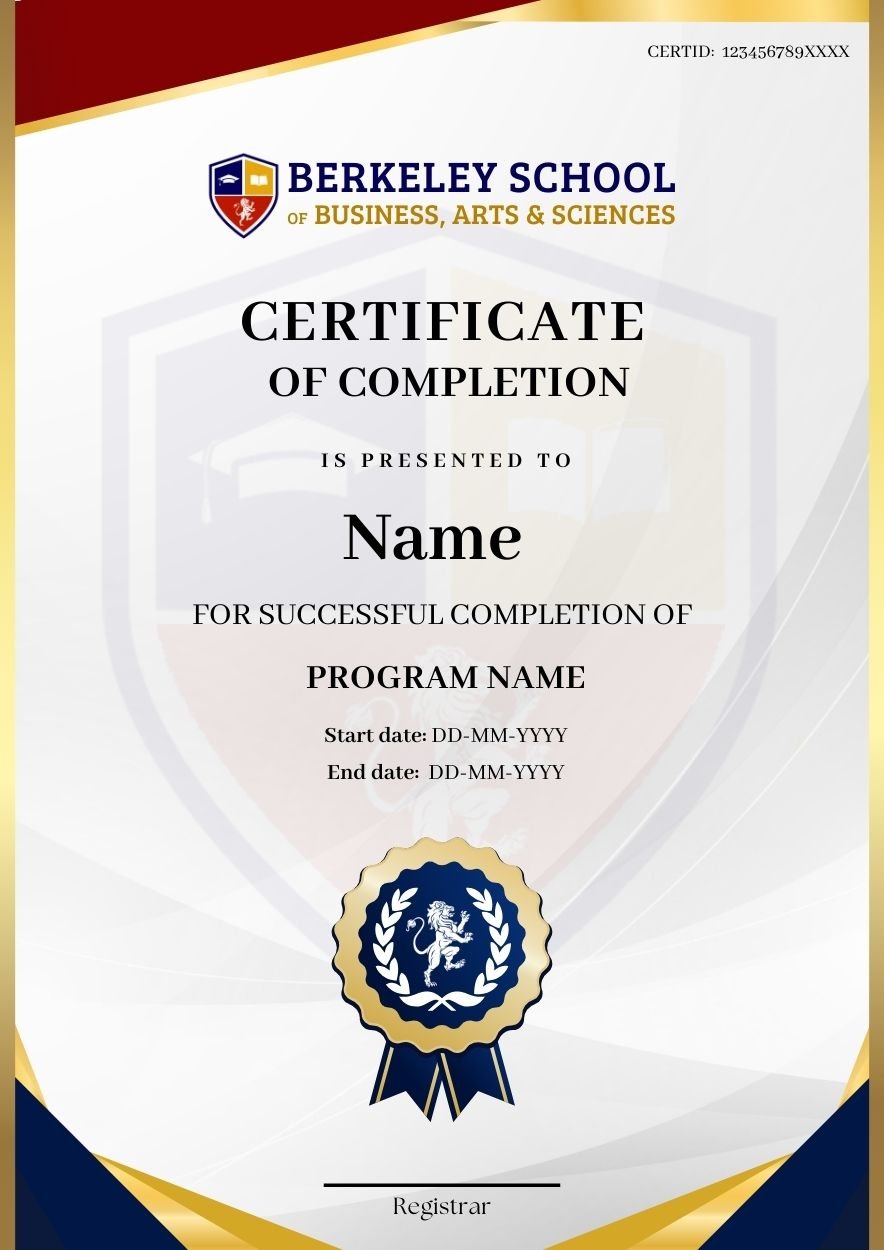
You will get a certificate of completion, which is highly reputed and accepted by employers

Fundamental Knowledge

It builds your foundation in recognizing and mitigating high-risk work, making you competent in safety systems and procedural compliance.

Technical Skills

You'll gain practical know-how in permit issuance, hazard evaluation, isolation procedures, and regulatory documentation.

Future Trends

With digital PTW systems rising, the need for professionals trained in automated compliance and risk management tools is increasing.

Career Advancement

PTW training boosts your credibility for roles in safety management and enables you to qualify for mid-to-senior HSE roles across industries.

Industry Relevance

PTW knowledge is a compliance must in oil & gas, construction, utilities, and chemical industries, aligning with global safety standards.

FAQ: Permit To work (PTW)

contact us for more information or to apply for admission. Seats fill up quickly, so we encourage early registration!

Cart

Cart (0)