NEBOSH International General Certificate

BERKELEY SCHOOL OF BUSINESS, ARTS & SCIENCES

The NEBOSH International General Certificate (IGC) is a globally respected qualification that develops practical skills in health and safety management, workplace hazard control, risk assessment, and action planning. Throughout the course, participants gain the knowledge required to identify workplace hazards and implement effective control measures. Furthermore, they learn how to assess risks and contribute to a safer working environment. 

NEBOSH

Overview

NEBOSH

The NEBOSH International General Certificate provides internationally recognized knowledge and practical competence in managing workplace health and safety. Throughout the course, learners examine effective health and safety management, common workplace hazards, international standards, risk control measures, and performance evaluation. In addition, they develop the ability to identify hazards, assess risks, and recommend practical improvements. As a result, participants are better prepared to create safer workplaces and support organizational compliance with health and safety requirements.

Furthermore, the revised 2026 qualification consists of two assessments: GIC1, a scenario-based open-book examination followed by a closing interview, and GIC2, a three-hour practical workplace risk assessment with an accompanying action plan. Moreover, the qualification requires at least 63 taught hours and approximately 40 hours of private study. Consequently, learners gain both theoretical knowledge and practical experience that can be applied in real workplace environments. For complete information, refer to the official NEBOSH IGC details.

FeatureDetails
QualificationNEBOSH International General Certificate in Occupational Health and Safety
Awarding BodyNational Examination Board in Occupational Safety and Health (NEBOSH)
Delivery ModeClassroom, Live Online, or Blended Learning
AssessmentGIC1 Open-Book Examination and GIC2 Practical Risk Assessment
Suitable ForHealth and Safety Officers, Supervisors, Managers, Engineers, HR Professionals, and anyone responsible for workplace safety
Career BenefitsDevelop internationally recognised health and safety knowledge and improve career opportunities across construction, manufacturing, oil and gas, logistics, healthcare, and other industries.

Offered By

National Examination Board in Occupational Safety and Health (NEBOSH)

Head Office

NEBOSH Learning Partners worldwide

Vision & Mission

Our vision is to develop internationally competent health and safety professionals who contribute to safer, healthier and more resilient workplaces. Our mission is to equip learners with practical knowledge and skills to manage occupational risks, identify and control workplace hazards, conduct effective risk assessments, implement action plans and strengthen organizational health and safety culture.

What is the eligibility?

  • No formal academic qualifications are required.
  • No previous health and safety experience is necessary.
  • Applicants should have a good standard of written and spoken English.
  • An IELTS score of 6.0 or an equivalent level of English proficiency is recommended.
  • Participants should have access to a suitable workplace to complete the GIC2 practical risk assessment.

Who can do?

NEBOSH
anyone who is interested to learn about following concepts can pursue NEBOSH International General Certificate:
Workplace health and safety, occupational risk assessment, hazard identification and control, safety management systems, incident investigation, emergency planning, fire and electrical safety, workplace wellbeing, safety performance monitoring, regulatory compliance.
individuals with the following designations:
Health and Safety Officer, HSE Officer, Safety Coordinator, Safety Supervisor, Site Safety Officer, EHS Coordinator, Risk Assessment Officer, Safety Compliance Officer, Occupational Health and Safety Assistant, Health and Safety Advisor.

Course structure

The current syllabus contains 11 modules across two assessed units. GIC1 is a 5-hour open-book examination, while GIC2 is a 4-hour practical risk assessment. Official 2026 syllabus guide

Module 1: Why We Should Manage Workplace Health and Safety

Explores the moral, financial and regulatory reasons for managing workplace health and safety. Learners examine organizational responsibilities, leadership commitment and effective contractor management.

Included

Moral and Societal Reasons for Health and Safety

Included

Financial Costs of Workplace Incidents

Included

Health and Safety Regulation and International Standards

Included

Organizational Roles and Responsibilities

Included

Contractor Selection, Coordination and Management

Module 2: How Health and Safety Management Systems Work

Introduces structured health and safety management using recognized frameworks. Learners explore management-system components, organizational policies and continual improvement.

Included

Plan–Do–Check–Act Management Model

Included

ISO 45001 and ILO-OSH 2001 Frameworks

Included

Benefits and Limitations of Management Systems

Included

Purpose of a Health and Safety Policy

Included

Policy Responsibilities and Arrangements

Module 3: Managing Risk—People and Processes

Develops the skills required to influence safety culture, understand human behavior, assess workplace risks and establish safe working arrangements.

Included

Health and Safety Culture

Included

Improving Workplace Safety Culture

Included

Human Factors and Behaviour

Included

Risk Profiling and Risk Assessment

Included

Hierarchy of Risk Control

Included

Management of Workplace Change

Included

Safe Systems of Work

Included

Permit-to-Work Systems

Included

Emergency and First-Aid Procedures

Module 4: Health and Safety Monitoring and Measuring

Explains how organizations investigate incidents, monitor performance, conduct audits and review management systems to support continual improvement.

Included

Incident Investigation and Reporting

Included

Active and Reactive Monitoring

Included

Leading and Lagging Performance Indicators

Included

Health and Safety Auditing

Included

Performance Review and Continual Improvement

Module 5: Physical and Psychological Health

Examines physical and psychological workplace hazards, their health effects and the practical controls required to protect workers.

Included

Occupational Noise

Included

Hand–Arm and Whole-Body Vibration

Included

Ionizing and Non-Ionizing Radiation

Included

Mental Ill-Health and Work-Related Stress

Included

Violence and Aggression at Work

Included

Substance Misuse in the Workplace

Module 6: Musculoskeletal Health

Covers ergonomic hazards, musculoskeletal disorders, manual handling and the safe use of mechanical load-handling equipment.


Included

Work-Related Upper Limb Disorders

Included

Manual Handling Risks and Controls

Included

Load-Handling and Lifting Equipment

Module 7: Chemical and Biological Agents

Explores exposure to hazardous substances and biological agents, including health effects, exposure assessment and appropriate control measures.

Included

Chemical and Biological Hazards

Included

Assessment of Health Risks

Included

Occupational Exposure Limits

Included

Hazardous-Substance Control Measures

Included

Specific Agents and Workplace Exposures

Module 8: General Workplace Issues

Addresses common workplace conditions and activities that can cause injury or ill-health, including working at height, confined spaces and workplace transport.

Included

Health, Welfare and the Work Environment

Included

Working Safely at Height

Included

Safe Working in Confined Spaces

Included

Lone-Working Risks and Controls

Included

Prevention of Slips and Trips

Included

Safe Movement of People and Vehicles

Included

Work-Related Driving

Module 9: Work Equipment

Examines the safe selection, operation and maintenance of workplace equipment, hand tools and machinery.

Included

General Work-Equipment Requirements

Included

Hand-Held Tools and Portable Equipment

Included

Machinery Hazards

Included

Machinery Guards and Protective Devices

Module 10: Fire Safety

Develops an understanding of fire principles, workplace fire prevention, detection, firefighting and emergency evacuation arrangements.

Included

Fire Principles and Classification

Included

Preventing Fire and Fire Spread

Included

Fire Detection, Alarms and Firefighting

Included

Emergency Evacuation and Escape Routes

Module 11: Electrical Safety

Explains electrical hazards, their potential effects and the control measures required for electrical equipment, installations and work near power services.

Included

Electrical Hazards and Health Effects

Included

Portable and Fixed Electrical Equipment

Included

Overhead and Underground Electrical Services

Included

Electrical Protection and Isolation Systems

Included

Inspection, Maintenance and Emergency Procedures

Learning Methodology

Berkeley offers expertly developed learning materials tailored to meet participants' needs, ensuring comprehensive coverage of the syllabus and optimal exam preparation.

‣ Tailored Material: Guides are designed to cover the entire syllabus, offering full preparation and deep understanding.

‣ In-Depth Content: Unlike superficial outlines, our materials provide fully developed theories and concepts, equipping participants with complete knowledge.

‣ Strategic Study: We help participants prioritize study time by indicating the weight of each topic, allowing efficient focus on crucial areas.

‣ Difficulty Levels: Topics are labeled as "Awareness" or "Proficiency," guiding participants to allocate time based on the required depth of knowledge.

‣ Comprehensive Coverage: Our materials include detailed theory and a glossary of technical terms to clarify complex concepts.

‣ Effective Learning Techniques: Visual aids and memorization techniques ensure long-lasting retention, helping candidates succeed.

Berkeley’s methodologies equip participants with the essential knowledge and tools for both exams and future success.

NEBOSH
Lectures

Our lecture plan integrates structured learning with interactive teaching methods, promoting engagement and collaboration. This approach ensures a comprehensive understanding of concepts, fostering critical thinking and practical application in real-world scenarios.

NEBOSH
Practice Session

Practice sessions offer hands-on experience through guided exercises, enhancing skills and reinforcing knowledge. This practical approach ensures mastery of concepts, promoting.

NEBOSH
Mock Examination

Mock examinations simulate real test conditions, providing valuable practice and assessment. This helps identify strengths and weaknesses, ensuring thorough preparation and boosting confidence for actual exams.

Berkeley Middle East Performance Standards

Evaluates and ensure the quality of the training program and all its deliverables.  This is measured through the following indicators:
‣ Instructors' experience and style in presenting and explaining topics.
‣ Variety and balance of teaching methods (such as discussions, case studies, mock exams and videos) used in the course to ensure retention and to match the learning objectives.
‣ Level of interactivity.
‣ Feedback from program participants
‣ Full compliance with Institute standards and guidelines for preparation and study requirements and methodology.
‣ Progress reports from the training program provider.

What Are The Exam Information?

NEBOSH

The NEBOSH IGC assessment combines theoretical knowledge with practical application. GIC1 is a five-hour scenario-based open-book examination covering health and safety management, while GIC2 is a four-hour workplace risk assessment involving hazard identification, evaluation of existing controls and a justified action plan. Candidates must pass both units within five years of passing their first unit to achieve the qualification.

UnitTitleAssessment
GIC1Management of Health and SafetyScenario-based open-book examination followed by a closing interview
GIC2Risk AssessmentFour-hour practical workplace risk assessment and action plan
Exam InformationDetails
Exam Format & DurationGIC1: Five-hour online open-book exam with a closing interview. GIC2: Four-hour practical risk assessment.
Exam DatesGIC1: 5 Aug, 9 Sep, 7 Oct, 4 Nov and 2 Dec 2026. GIC2: 22 Jul, 19 Aug, 23 Sep, 21 Oct, 18 Nov and 16 Dec 2026.
Registration DeadlineSet by the accredited Learning Partner. Early registration is recommended.
Passing CriteriaGIC1: Minimum 45%. GIC2: Pass required. Both units must be passed within five years.
Exam LocationsGIC1: Online. GIC2: Learner’s workplace or another suitable workplace.


NEBOSH

Success Stories

“As a strong advocate for education and human development, I commend Berkeley for its exceptional commitment to empowering future leaders. The institution stands as a symbol of excellence, innovation, and opportunity. Students who walk its halls are nurtured with knowledge, values, and vision, qualities that contribute to building a stronger and more prosperous future for our nation.”- H.H. Shaikh Khalifa Al Hamid

Visit Our Alumni

Alumni Benefits

‣ Exclusive Networking Events: Access invitations to industry-leading events and thought-leadership gatherings featuring renowned speakers.


‣ Monthly Updates: Stay informed with a newsletter highlighting the latest research, events, and activities from the school.


‣ LinkedIn Community Access: Join the Executive Education LinkedIn group for networking and professional development opportunities.


‣ Educational Discounts: Enjoy a 20% discount on open-enrollment programs and access to workshops focused on emerging trends.


‣ Global Alumni Network: Connect with a diverse alumni community through the Berkeley School’s online network and engage in country and interest groups.

Is It Worth the Investment?

Earning the NEBOSH IGC develops practical expertise in hazard identification, workplace risk assessment, incident investigation, safety management systems and emergency planning. This internationally recognized qualification supports careers in construction, manufacturing, logistics, energy, healthcare and consulting. It can strengthen progression towards roles such as Health and Safety Officer, HSE Coordinator, Site Safety Officer and Safety Adviser while providing a foundation for advanced safety qualifications.

United Kingdom: GBP 26,000–GBP 48,000 (National Careers Service)
United States: USD 40,550–USD 130,460 (U.S. Bureau of Labor Statistics)
United Arab Emirates: AED 24,000–AED 96,000 (Naukrigulf)
Canada: CAD 49,000–CAD 127,000 (Government of Canada Job Bank)
Saudi Arabia: SAR 22,200–SAR 108,000 (Naukrigulf)

NEBOSH

Progression Route:

Successful learners may progress to specialist qualifications in construction safety, fire safety, process safety, environmental management or incident investigation. For advanced professional development, they can pursue the NEBOSH Level 6 International Diploma for Occupational Health and Safety Management Professionals, followed by postgraduate study or eligible professional membership. The qualification also supports progression into roles such as Health and Safety Officer, HSE Coordinator, Safety Adviser, Safety Manager and Occupational Health and Safety Consultant.


What You Earn

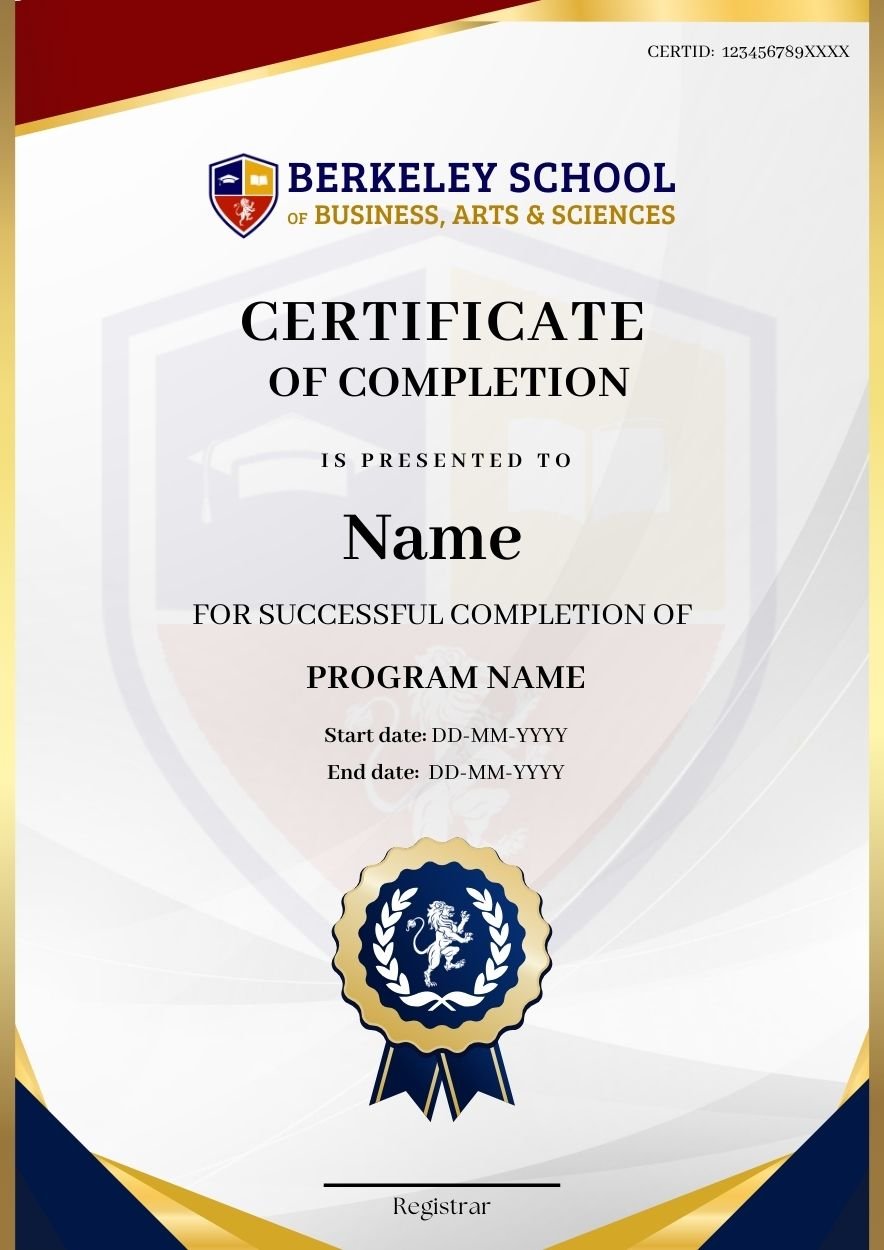
You will get a certificate of completion, which is highly reputed and accepted by employers

NEBOSH

Practical Risk Assessment Skills

Learn to identify workplace hazards, evaluate risks, review existing controls and develop effective action plans.

Improved Workplace Safety

Apply practical knowledge to investigate incidents, improve safety culture, monitor performance and reduce workplace injuries and ill-health.

Professional Progression Pathway

Build a strong foundation for specialist safety courses, the NEBOSH Level 6 International Diploma and advanced professional development.

Internationally Recognized Qualification

Gain a respected health and safety qualification valued by employers across construction, manufacturing, energy, logistics, healthcare and other industries.

Related courses

Risk Management Professional RMP

The Risk Management Professional RMP certification validates expertise in identifying, analyzing, and mitigating project risks. It enhances a professional’s ability to manage uncertainty, improve decision-making, and ensure project success through proactive risk assessment and response strategies.

Read More
ISO 14001 – Environmental Management Systems (EMS)

ISO 14001 is an internationally recognized standard for Environmental Management Systems (EMS), developed by the International Organization for Standardization (ISO). It provides a structured framework for organizations to manage their environmental responsibilities, improve sustainability, and comply with legal requirements.

Read More
ISO 31000 – Risk Management

ISO 31000 Risk Management is an international standard for risk management, providing principles, a framework, and a process to help organizations proactively address risks.

Read More
ISO 45001 – Occupational Health and Safety (OH&S)

ISO 45001 sets the global standard for Occupational Health and Safety (OH&S), helping organizations reduce workplace risks and improve employee well-being.

Read More
Permit To work (PTW)

A Permit to Work (PTW) is a formal, documented system used to control certain types of work that are potentially hazardous. It is a critical part of safety management in industries such as oil & gas, construction, manufacturing, and chemical processing.

Read More
ISO 14001 Lead Auditor

Develop the knowledge and practical skills required to plan, conduct, report, and follow up environmental management system audits against ISO 14001:2026 using ISO 19011:2026 auditing guidelines. Throughout the course, participants learn internationally recognised auditing principles and best practices for environmental management systems. In addition, they develop the ability to plan audits, collect objective evidence, evaluate audit findings, and prepare professional audit reports. Furthermore, the programme strengthens communication, analytical, and decision-making skills needed for effective auditing. As a result, learners gain the competence and confidence to perform first-party, second-party, and third-party environmental management system audits in accordance with ISO 14001:2026 and ISO 19011:2026 guidance.

Read More
ISO 45001 Lead Auditor

Develop the competence to plan, conduct, lead, and report occupational health and safety management system audits against ISO 45001 requirements. Throughout the course, learners gain practical experience in applying internationally recognized auditing principles and techniques. In addition, they learn how to evaluate workplace safety controls, identify nonconformities, and recommend effective corrective actions. Furthermore, the program develops the skills required to manage complete audit programs and support continual improvement. As a result, participants become more confident in leading ISO 45001 audits and strengthening organizational health and safety performance.

Read More
IOSH Managing Safely

A practical three-day course that equips managers and supervisors to identify hazards, assess and control risks, investigate incidents, understand safety responsibilities and measure workplace safety performance.

Read More

FAQ: NEBOSH International General Certificate

Contact Us