Discover how to bring balance to your mind and body with our Stress Management Course. This program is designed to help you recognize stress triggers, build resilience, and practice effective coping techniques. Learn relaxation methods, time management, and healthy lifestyle strategies that reduce tension and improve focus. Gain lasting skills to manage daily pressures and achieve a calmer, more productive life
The Certificate in Stress Management is designed to provide learners with practical knowledge and effective strategies for understanding and managing stress in everyday and professional environments. Moreover, the course explores common causes and triggers of stress, helping learners recognize how stress can influence emotional, mental, and physical well-being. Furthermore, learners develop practical coping techniques that can be applied to manage pressure and respond more effectively to challenging situations. In addition, the program strengthens resilience and encourages healthier approaches to handling personal and workplace demands. Through a combination of theoretical concepts and practical exercises, learners can develop greater self-awareness and emotional intelligence. Consequently, participants become better equipped to identify unhelpful stress patterns and adopt constructive coping strategies. The course also emphasizes work-life balance, helping learners establish healthier routines and sustainable approaches to personal well-being. Likewise, practical stress management techniques can support improved concentration, productivity, communication, and decision-making. Therefore, the Certificate in Stress Management can benefit individuals seeking to improve their personal resilience as well as professionals working in demanding environments. Ultimately, completing the course provides learners with practical tools and knowledge to manage stress more effectively and support long-term mental and physical well-being.
| Key Area | Description |
|---|---|
| Course | Certificate in Stress Management |
| Primary Focus | Understanding, managing, and reducing stress |
| Learning Approach | Theory combined with practical exercises |
| Stress Awareness | Identifying common stress triggers and patterns |
| Coping Strategies | Developing practical techniques for managing pressure |
| Resilience | Building emotional resilience and adaptability |
| Emotional Intelligence | Improving self-awareness and emotional responses |
| Work-Life Balance | Developing healthier and more sustainable routines |
| Wellbeing | Supporting mental, emotional, and physical well-being |
| Practical Outcome | Applying stress management techniques in everyday and professional situations |
Berkeley School of Business, Arts & Sciences
Vision:
To empower individuals to live balanced, resilient, and fulfilling lives by mastering stress management skills.
Mission:
Introduces the meaning and types of stress, common personal and environmental triggers, and the psychological and physiological effects of stress.
Introduction to Stress Management
Definitions and Types of Stress
Recognizing Personal Stress Triggers
Environmental Sources of Stress
The Mind–Body Connection
Psychological and Physical Effects of Stress
Develops practical techniques for reducing stress, improving relaxation and managing responsibilities more effectively.
Controlled Breathing Techniques
Meditation and Mindfulness
Practical Relaxation Exercises
Time and Task Management
Prioritization Techniques
Productivity and Pressure Reduction
Explores emotional intelligence and resilience as coping strategies while examining practical approaches to managing stress in professional environments.
Emotional Intelligence and Self-Awareness
Developing Emotional Resilience
Positive Coping Strategies
Managing Workplace Stress
Personal Performance Under Pressure
Supporting Team Harmony and Well-Being
Focuses on sustainable lifestyle practices and the development of an individual action plan for maintaining long-term well-being and stress control.
Designing a Balanced Lifestyle
Healthy Habits, Diet and Exercise
Digital Detox and Healthy Boundaries
Stress Management Case Studies
Practical Group Activities
Final Course Review
Personal Stress Management Action Plan
Introduction to Stress Management – Definitions, types, and importance
Recognizing Stress Triggers – Personal and environmental factors
Mind-Body Connection – Physiological and psychological impacts
Relaxation Techniques – Breathing, meditation, mindfulness
Time and Task Management – Prioritization and productivity tools
Emotional Intelligence & Resilience – Coping strategies and positivity
Stress Management at Work – Practical workplace applications
Lifestyle Design – Healthy habits, diet, exercise, digital detox
Case Studies & Group Activities – Applying stress management skills
Final Review & Personal Project – Building a stress management action plan
Berkeley offers expertly developed learning materials tailored to meet participants' needs, ensuring comprehensive coverage of the syllabus and optimal exam preparation.
‣ Tailored Material: Guides are designed to cover the entire syllabus, offering full preparation and deep understanding.
‣ In-Depth Content: Unlike superficial outlines, our materials provide fully developed theories and concepts, equipping participants with complete knowledge.
‣ Strategic Study: We help participants prioritize study time by indicating the weight of each topic, allowing efficient focus on crucial areas.
‣ Difficulty Levels: Topics are labeled as "Awareness" or "Proficiency," guiding participants to allocate time based on the required depth of knowledge.
‣ Comprehensive Coverage: Our materials include detailed theory and a glossary of technical terms to clarify complex concepts.
‣ Effective Learning Techniques: Visual aids and memorization techniques ensure long-lasting retention, helping candidates succeed.
Berkeley’s methodologies equip participants with the essential knowledge and tools for both exams and future success.
Our lecture plan for the Stress Management Course follows a structured, step-by-step approach to help learners gain practical skills and knowledge. Covering key areas such as stress triggers, relaxation techniques, time management, and emotional resilience, the plan blends theory with hands-on activities. Each session builds on the previous one, ensuring continuous growth and lasting results for personal and professional life.
The practice session allows learners to apply stress management techniques through guided exercises, role-plays, and real-life scenarios for hands-on experience.
The mock examination helps learners assess their understanding of stress management concepts through practical questions and scenarios, preparing them for real-life application.
Evaluates and ensure the quality of the training program and all its deliverables. This is measured through the following indicators:
‣ Instructors' experience and style in presenting and explaining topics.
‣ Variety and balance of teaching methods (such as discussions, case studies, mock exams and videos) used in the course to ensure retention and to match the learning objectives.
‣ Level of interactivity.
‣ Feedback from program participants
‣ Full compliance with Institute standards and guidelines for preparation and study requirements and methodology.
‣ Progress reports from the training program provider.
Ideal for disciplined learners who prefer flexibility
Learn from expert instructors in real-time
Personalized, intensive learning experience
“As a strong advocate for education and human development, I commend Berkeley for its exceptional commitment to empowering future leaders. The institution stands as a symbol of excellence, innovation, and opportunity. Students who walk its halls are nurtured with knowledge, values, and vision—qualities that contribute to building a stronger and more prosperous future for our nation.”- H.H. Shaikh Khalifa Al Hamid
Alumni Benefits
‣ Exclusive Networking Events: Access invitations to industry-leading events and thought-leadership gatherings featuring renowned speakers.
‣ Monthly Updates: Stay informed with a newsletter highlighting the latest research, events, and activities from the school.
‣ LinkedIn Community Access: Join the Executive Education LinkedIn group for networking and professional development opportunities.
‣ Educational Discounts: Enjoy a 20% discount on open-enrollment programs and access to workshops focused on emerging trends.
‣ Global Alumni Network: Connect with a diverse alumni community through the Berkeley School’s online network and engage in country and interest groups.
The Certificate in Stress Management develops practical knowledge and skills in stress awareness, stress reduction techniques, emotional intelligence, resilience building, workplace wellbeing, coping strategies, and maintaining a healthy work-life balance. Moreover, it strengthens professional capabilities in communication, self-awareness, emotional regulation, problem-solving, and supporting wellbeing in personal and workplace environments. Consequently, the certificate can support progression into roles such as Wellbeing Coordinator, Employee Wellness Specialist, Stress Management Consultant, Workplace Wellness Advisor, Life Coach, Health and Wellness Coach, HR Professional, Employee Assistance Coordinator, Resilience Trainer, and Personal Development Trainer, depending on experience and professional requirements.
Potential Career Earnings After Completing the Certificate:
Upon successful completion of the Certificate in Stress Management, learners can use the knowledge and practical skills gained to support further professional development in wellbeing, human resources, coaching, workplace wellness, and personal development. Moreover, the certificate can provide a foundation for pursuing related courses and qualifications in areas such as mental wellbeing, emotional intelligence, resilience, coaching, and workplace wellbeing.
Note: The Certificate in Stress Management is an educational qualification and does not by itself qualify the holder to diagnose or treat mental health conditions or practice as a regulated psychologist, counsellor, or clinical professional. Explore more Finance for Non-Finance Managers, Executive Leadership & Strategic Thinking and Emotional Intelligence (EQ) for Leaders.
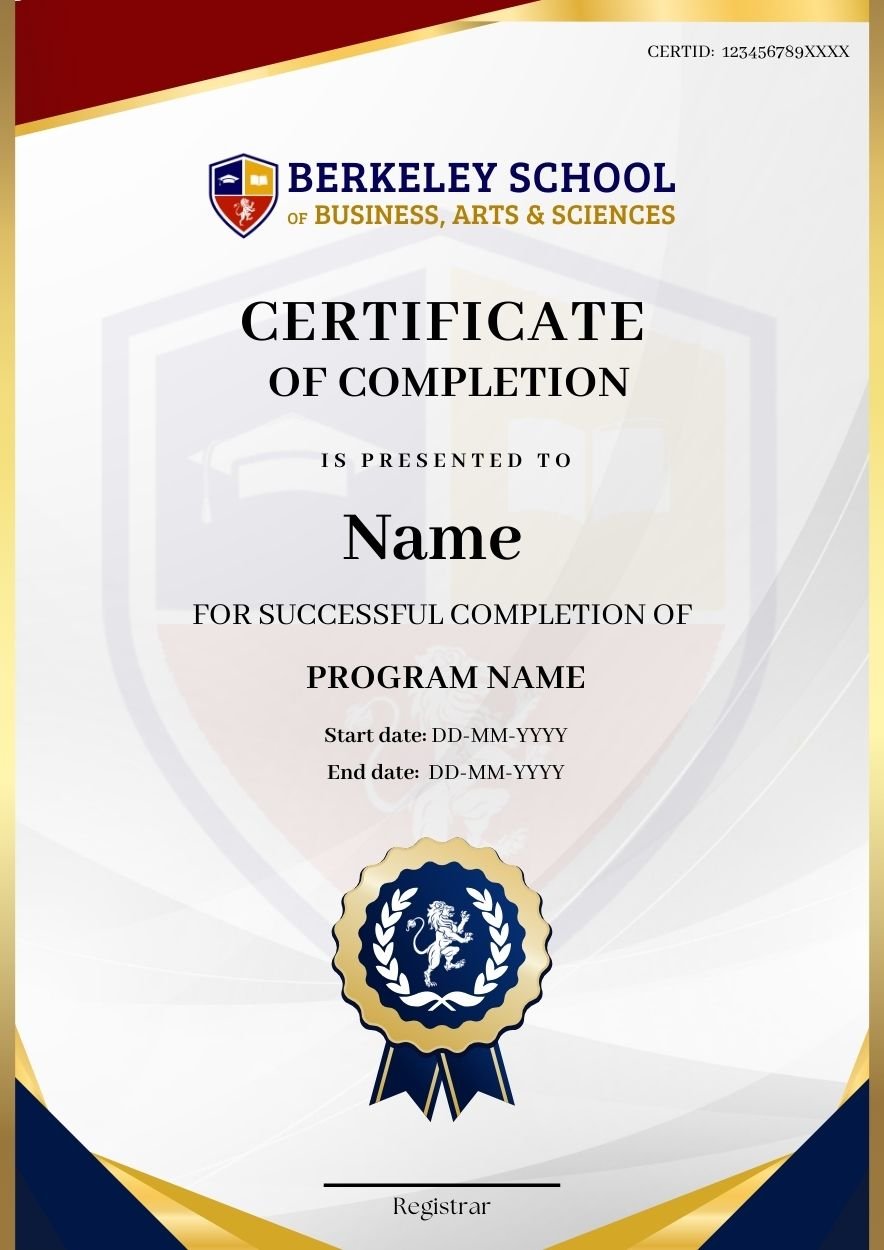
You will get a certificate of completion, which is highly reputed and accepted by employers
Learn and practice relaxation, breathing, mindfulness, and emotional control strategies.
Recognize personal and workplace stressors that influence daily performance.
Strengthen emotional intelligence and coping skills to effectively handle pressure.
Use prioritization and productivity tools to minimize stress and improve efficiency.
Encourage lifestyle changes through exercise, diet, sleep, and balanced routines.
Develop a customized stress management plan for long-term well-being.
Contact Us