Logistics and Distribution Management

BERKELEY SCHOOL OF BUSINESS, ARTS & SCIENCES

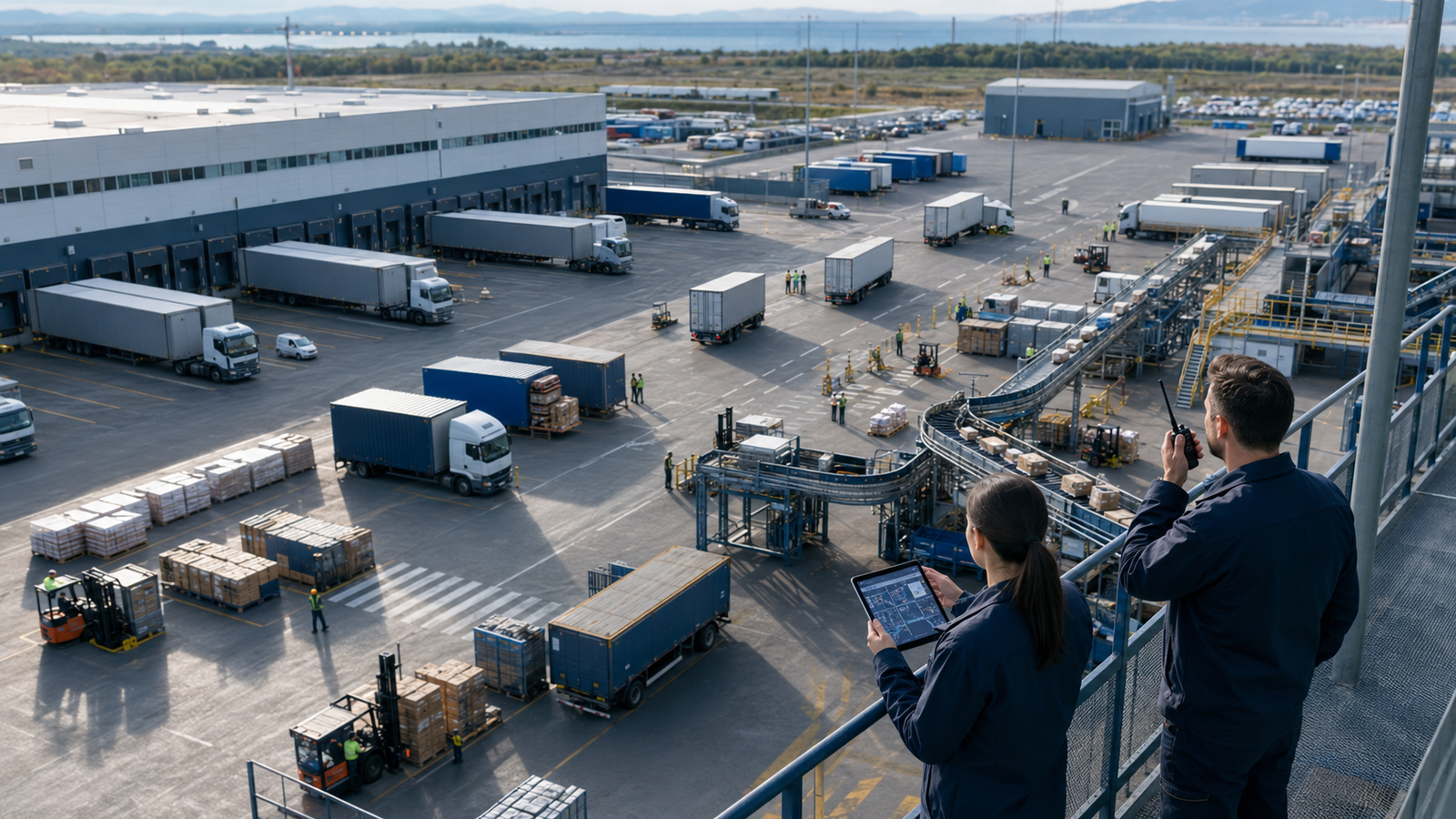
The Logistics and Distribution Management course equips professionals with the knowledge and practical skills required to manage logistics operations, transportation, warehousing, inventory control, and distribution networks. Participants learn how to optimize supply chain performance, reduce operational costs, improve customer service, and ensure the efficient movement of goods across local and global markets.

Logistics and Distribution Management

Overview

Logistics and Distribution Management

This course provides a comprehensive understanding of logistics and distribution management within modern supply chains. Learners explore key topics including logistics planning, transportation management, warehouse operations, inventory optimization, distribution network design, demand forecasting, procurement integration, and supply chain coordination. The program also covers logistics technologies, third-party logistics (3PL), international trade logistics, customs considerations, performance measurement, risk management, sustainability, and continuous process improvement. Through practical case studies and real-world business scenarios, participants develop the ability to design efficient logistics systems, improve distribution performance, minimize operational risks, and support organizational growth through effective supply chain management.

Offered By

Berkeley School of Business, Arts & Sciences

Vision & Mission

Our vision is to develop logistics and distribution professionals who drive operational excellence, optimize supply chain performance, and create value through efficient logistics strategies. Our mission is to equip learners with practical knowledge and industry best practices in transportation management, warehousing, inventory control, distribution planning, logistics technology, and supply chain coordination. Through real-world applications and case-based learning, the course prepares professionals to improve logistics efficiency, reduce operational costs, manage distribution networks, mitigate supply chain risks, and support sustainable business growth in an increasingly global marketplace.

What is the eligibility?

  • The Logistics and Distribution Management course is suitable for professionals and aspiring practitioners involved in logistics, warehousing, transportation, inventory control, distribution, procurement, supply chain management, and commercial operations.
  • It is ideal for logistics coordinators, warehouse supervisors, distribution managers, transport planners, procurement officers, supply chain executives, business owners, project managers, and graduates seeking practical logistics and distribution skills. 
  • There are no mandatory entry requirements, making the course accessible to beginners and experienced professionals looking to strengthen their operational planning, inventory management, transportation, and supply chain coordination capabilities.


Who can do?

Logistics and Distribution Management
anyone who is interested to learn about following concepts can pursue Logistics and Distribution Management:
Logistics Management, Distribution Management, Transportation Planning, Fleet Management, Warehousing, Inventory Management, Demand Planning, Route Optimization, Last-Mile Delivery, Freight Management, Supply Chain Coordination, Order Fulfilment, Distribution Network Design, Logistics Technology, Performance Measurement..
individuals with the following designations:
Logistics Coordinator, Logistics Executive, Distribution Coordinator, Distribution Manager, Warehouse Supervisor, Warehouse Manager, Inventory Controller, Supply Chain Executive, Supply Chain Coordinator, Procurement Officer, Operations Executive, Transport Coordinator, Fleet Supervisor, Dispatch Officer, Distribution Planner, Logistics Analyst, Fulfilment Manager, Business Owner..

Course structure

Module 1: Fundamentals of Logistics and Distribution Management

This session introduces the core principles of logistics and distribution management. Participants explore the role of logistics within the supply chain, logistics planning, transportation systems, warehousing operations, inventory management, and distribution strategies. The session establishes a strong foundation for designing efficient logistics networks and improving operational performance.

Included

Introduction to Logistics and Supply Chain Management

Included

Transportation Modes and Distribution Networks

Included

Warehousing and Inventory Management Fundamentals

Included

Logistics Planning, Performance, and Customer Service

Module 2: Transportation and Distribution Operations

This session focuses on the planning, execution, and optimization of transportation and distribution activities. Participants learn how to select transportation modes, design distribution networks, manage freight operations, control logistics costs, and ensure timely product delivery while maintaining high service standards.

Included

Transportation Planning and Mode Selection

Included

Distribution Network Design and Route Optimization

Included

Freight Management and Third-Party Logistics (3PL)

Included

Logistics Cost Control and Distribution Performance Monitoring

Module 3: Warehousing and Inventory Management

This session examines warehouse operations and inventory management techniques that improve supply chain efficiency and reduce operational costs. Participants learn warehouse design principles, inventory control methods, demand forecasting, stock optimization, and the use of technology to enhance logistics performance.

Included

Warehouse Design, Layout, and Operations

Included

Inventory Planning, Control, and Optimization

Included

Demand Forecasting and Stock Replenishment

Included

Warehouse Technology, Automation, and Performance Measurement

Module 4: Procurement, Distribution, and Supplier Coordination

This session explores the integration of procurement, supplier management, and distribution operations within the supply chain. Participants learn how to coordinate with suppliers, manage inbound logistics, improve procurement efficiency, and ensure the seamless movement of goods from suppliers to customers.

Included

Procurement and Inbound Logistics Management

Included

Supplier Relationship Management and Vendor Performance

Included

Distribution Planning and Order Fulfilment

Included

Logistics Coordination, Collaboration, and Service Excellence

Module 5: International Logistics and Trade Compliance

This session focuses on global logistics operations and international trade requirements. Participants explore import and export procedures, customs regulations, international shipping documentation, Incoterms®, trade compliance, and risk management to ensure efficient and compliant cross-border logistics operations.

Included

International Logistics and Global Supply Chains

Included

Import, Export, and Customs Procedures

Included

Incoterms, Shipping Documentation, and Trade Compliance

Included

Global Logistics Risk Management and Business Continuity

Module 6: Logistics Risk Management and Supply Chain Resilience

This session examines the identification and mitigation of risks that affect logistics and distribution operations. Participants learn how to manage supply chain disruptions, develop contingency plans, improve operational resilience, ensure regulatory compliance, and apply sustainable logistics practices to maintain business continuity.

Included

Logistics Risk Identification and Mitigation

Included

Supply Chain Resilience and Business Continuity Planning

Included

Regulatory Compliance, Health, Safety, and Security

Included

Sustainable Logistics and Environmental Best Practices

Module 7: Digital Logistics and Supply Chain Optimization

This session explores the technologies and analytical tools transforming modern logistics operations. Participants learn how digital platforms, automation, real-time tracking, data analytics, and performance metrics improve logistics visibility, operational efficiency, customer satisfaction, and strategic decision-making.

Included

Digital Logistics, Automation, and Smart Warehousing

Included

Logistics Information Systems and Real-Time Tracking

Included

Supply Chain Analytics, KPIs, and Performance Measurement

Included

Continuous Improvement and Logistics Optimization Strategies

Module 8: Logistics Excellence and Capstone Assessment

The final session integrates the knowledge and skills developed throughout the course through practical logistics case studies, supply chain simulations, and a capstone assessment. Participants demonstrate their ability to plan logistics operations, optimize distribution networks, manage transportation and warehousing, mitigate supply chain risks, and develop effective logistics strategies aligned with organizational objectives.

Included

Integrated Logistics and Distribution Case Studies

Included

Supply Chain Strategy Development and Presentation

Included

Emerging Trends and Best Practices in Logistics Management

Included

Final Capstone Assessment and Course Review

Learning Methodology

Berkeley offers expertly developed learning materials tailored to meet participants' needs, ensuring comprehensive coverage of the syllabus and optimal exam preparation.

‣ Tailored Material: Guides are designed to cover the entire syllabus, offering full preparation and deep understanding.

‣ In-Depth Content: Unlike superficial outlines, our materials provide fully developed theories and concepts, equipping participants with complete knowledge.

‣ Strategic Study: We help participants prioritize study time by indicating the weight of each topic, allowing efficient focus on crucial areas.

‣ Difficulty Levels: Topics are labeled as "Awareness" or "Proficiency," guiding participants to allocate time based on the required depth of knowledge.

‣ Comprehensive Coverage: Our materials include detailed theory and a glossary of technical terms to clarify complex concepts.

‣ Effective Learning Techniques: Visual aids and memorization techniques ensure long-lasting retention, helping candidates succeed.

Berkeley’s methodologies equip participants with the essential knowledge and tools for both exams and future success.

Logistics and Distribution Management
Lectures

Our lecture plan integrates structured learning with interactive teaching methods, promoting engagement and collaboration. This approach ensures a comprehensive understanding of concepts, fostering critical thinking and practical application in real-world scenarios.

Logistics and Distribution Management
Practice Session

Practice sessions offer hands-on experience through guided exercises, enhancing skills and reinforcing knowledge. This practical approach ensures mastery of concepts, promoting.

Logistics and Distribution Management
Mock Examination

Mock examinations simulate real test conditions, providing valuable practice and assessment. This helps identify strengths and weaknesses, ensuring thorough preparation and boosting confidence for actual exams.

Berkeley Middle East Performance Standards

Evaluates and ensure the quality of the training program and all its deliverables.  This is measured through the following indicators:
‣ Instructors' experience and style in presenting and explaining topics.
‣ Variety and balance of teaching methods (such as discussions, case studies, mock exams and videos) used in the course to ensure retention and to match the learning objectives.
‣ Level of interactivity.
‣ Feedback from program participants
‣ Full compliance with Institute standards and guidelines for preparation and study requirements and methodology.
‣ Progress reports from the training program provider.

What is the Exam Information?

Logistics and Distribution Management
FieldAnswer
Custom DescriptionLearn to plan, coordinate, and optimize logistics and distribution operations, including transportation, warehousing, inventory management, route planning, and order fulfilment to improve supply chain efficiency.
Exam Format & DurationInternal assessment and/or practical evaluation (if applicable); duration varies by training format.
Exam DatesConducted according to the published training schedule or corporate batch timetable.
Exam Registration DeadlineRegistration closes before the course commencement date, subject to seat availability.
Passing CriteriaSuccessfully complete the course requirements and any applicable assessments.
Exam LocationsClassroom, live online, or corporate onsite training locations as scheduled.
Logistics and Distribution Management

Success Stories

“As a strong advocate for education and human development, I commend Berkeley for its exceptional commitment to empowering future leaders. The institution stands as a symbol of excellence, innovation, and opportunity. Students who walk its halls are nurtured with knowledge, values, and vision, qualities that contribute to building a stronger and more prosperous future for our nation.”- H.H. Shaikh Khalifa Al Hamid

Visit Our Alumni

Alumni Benefits

‣ Exclusive Networking Events: Access invitations to industry-leading events and thought-leadership gatherings featuring renowned speakers.


‣ Monthly Updates: Stay informed with a newsletter highlighting the latest research, events, and activities from the school.


‣ LinkedIn Community Access: Join the Executive Education LinkedIn group for networking and professional development opportunities.


‣ Educational Discounts: Enjoy a 20% discount on open-enrollment programs and access to workshops focused on emerging trends.


‣ Global Alumni Network: Connect with a diverse alumni community through the Berkeley School’s online network and engage in country and interest groups.

Is It Worth the Investment?

The Logistics & Distribution Management course equips professionals with practical knowledge and commercial skills to manage warehousing, inventory, transportation, order fulfilment, and distribution operations effectively. Participants develop expertise in logistics planning, supply chain coordination, stock control, route optimization, warehouse management, supplier relationships, and operational risk management. These capabilities are highly valued across manufacturing, retail, e-commerce, logistics, and public-sector organizations, supporting career progression into logistics, distribution, warehouse, transport, and supply chain management roles while improving organizational efficiency and customer service.

United Kingdom: £30,000–£65,000
United States: USD 55,000–USD 115,000
United Arab Emirates: AED 120,000–AED 300,000
Canada: CAD 55,000–CAD 110,000
Saudi Arabia (KSA): SAR 100,000–SAR 280,000

Logistics and Distribution Management

Progression Route:

Upon completing the Logistics and Distribution Management course, participants may progress to advanced qualifications in Supply Chain Management, Logistics and Transport Management, Procurement and Contract Management, Operations Management, or an MBA with a logistics or supply chain specialization. The course can also support career advancement into roles such as Logistics Coordinator, Distribution Supervisor, Warehouse Manager, Transport Manager, Inventory Controller, Supply Chain Analyst, or Logistics Operations Manager.

To strengthen your knowledge, explore our Supply Chain Management course and Warehouse and Inventory Control course. You can also learn more about global logistics best practices through the Council of Supply Chain Management Professionals (CSCMP).


What You Earn

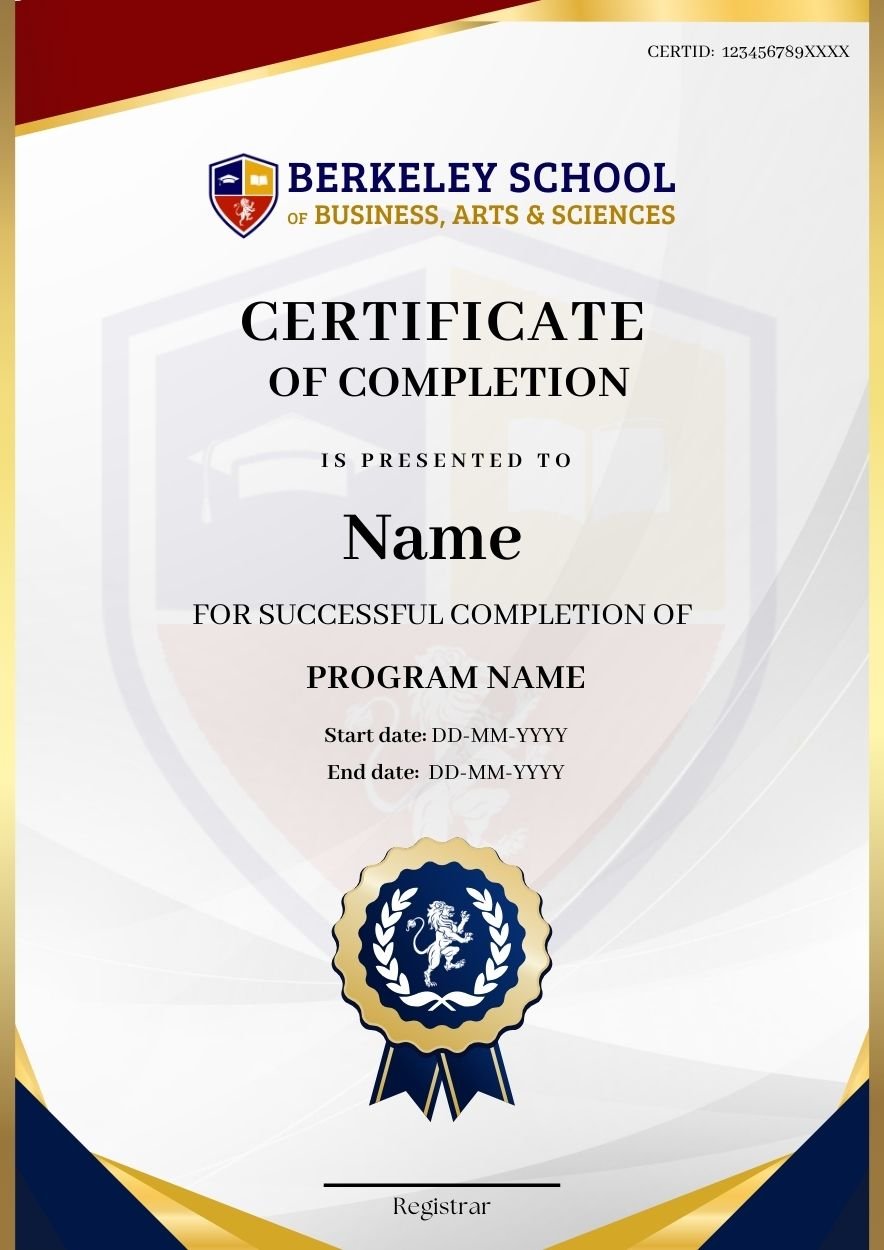
You will get a certificate of completion, which is highly reputed and accepted by employers

Logistics and Distribution Management

Improved Operational Efficiency

Learn to streamline the movement of goods, reduce operating costs, improve delivery performance, and optimize logistics processes.

Career Advancement Opportunities

Prepare for roles in logistics, warehousing, transportation, distribution, inventory control, operations, and supply chain management.

End-to-End Distribution Management

Understand how to coordinate suppliers, warehouses, transport providers, distribution channels, and customers across the supply chain.

Practical Logistics Expertise

Develop practical skills in logistics planning, inventory control, warehousing, transportation, order fulfilment, and distribution management.

Related courses

Certified Logistics and Supply Chain Professional

The Certified Logistic and Supply Chain Professional (CLSCP) certification validates expertise in logistics, supply chain management, inventory control, and procurement. It enhances career prospects by demonstrating proficiency in optimizing supply chain operations and efficiency.

Read More
Customs and Trade Compliance Management

Upon completion of the crash-course, participants will have a solid understanding of customs and trade compliance management, enabling them to effectively navigate regulatory requirements, mitigate risks, and ensure compliance within their organizations.

Read More
Supply Chain for Customs and Border Management Professionals

We take pride in offering a specialized masterclass in supply chain management specifically designed for customs and border management professionals from both the public and private sectors. This comprehensive program equips participants with the advanced knowledge and skills needed to navigate the complexities of modern supply chains while effectively managing customs and border procedures.

Read More
Supply Chain Management (SCM)

The Supply Chain certification by GAQM validates expertise in logistics, procurement, and operations, ensuring efficiency in global supply chain management.

Read More
Procurement and Contract Management

The Procurement and Contract Management course develops the knowledge and practical skills required to manage procurement activities, supplier relationships, and commercial contracts effectively. Learners gain an understanding of procurement strategies, sourcing processes, contract administration, negotiation techniques, risk management, and regulatory compliance to support organizational performance and value creation.

Read More

FAQ: Logistics and Distribution Management

Contact Us 

Cart

Cart (0)