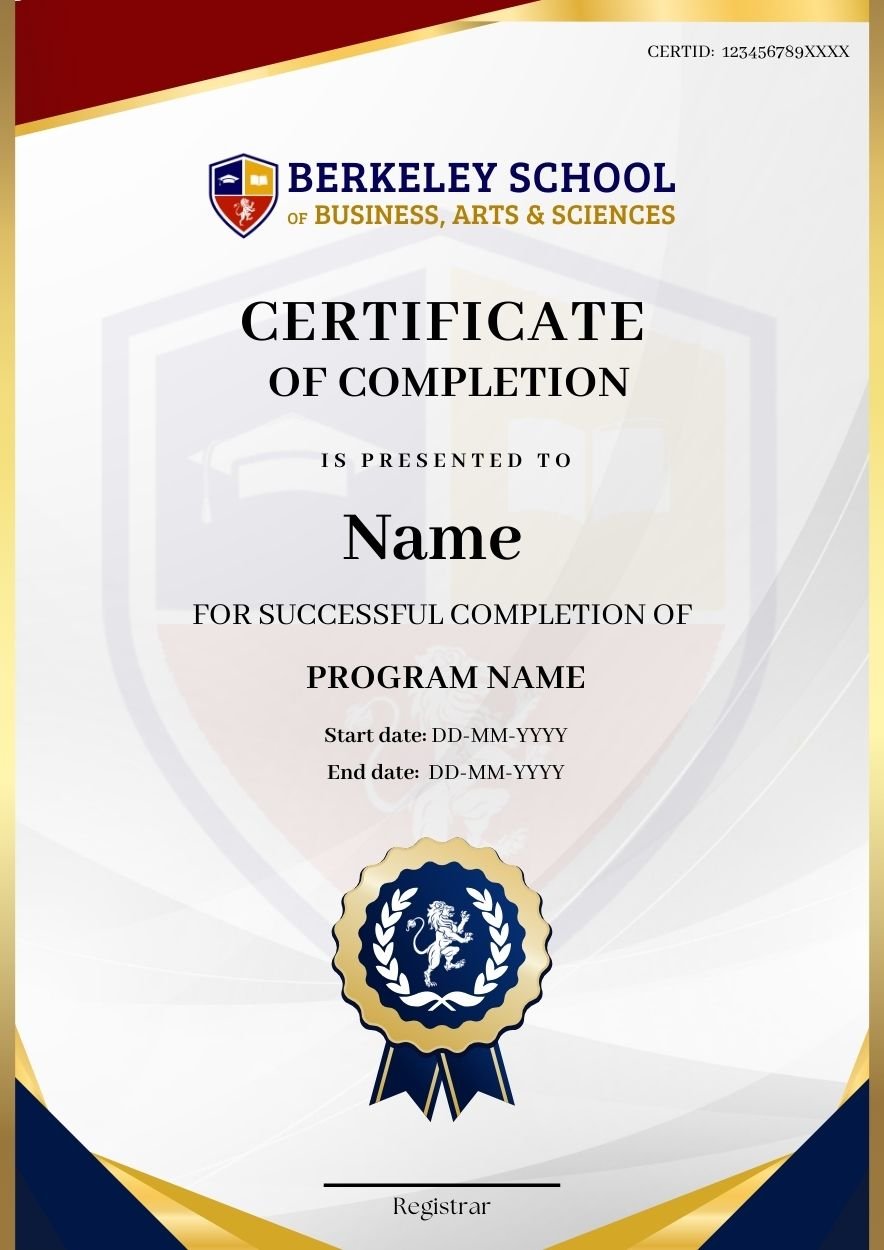
Berkeley School of Business, Arts & Sciences
The Level 5 Extended Diploma in IT – Networking develops advanced technical knowledge and practical skills required to design, implement, and manage modern network infrastructures. The program covers network architecture, security, cloud technologies, and system administration, preparing learners for professional roles in IT networking and infrastructure management.
Provides foundational knowledge of networking concepts, models, and components.
Types of Networks (LAN, WAN, MAN)
OSI and TCP/IP Models
Network Devices and Components
IP Addressing and Subnetting
Network Topologies
Focuses on designing and implementing efficient network systems.
Network Design Principles
Structured Cabling Systems
Network Configuration
Routing and Switching Basics
Wireless Network Setup
Covers security threats, protocols, and protection mechanisms.
Network Security Threats and Vulnerabilities
Firewalls and Intrusion Detection Systems
Encryption Techniques
Access Control and Authentication
Security Policies and Compliance
Introduces server setup, configuration, and maintenance.
Server Operating Systems (Windows/Linux)
User and Group Management
File and Print Services
Backup and Recovery
Server Monitoring and Maintenance
Explores cloud-based networking and virtualization technologies.
Cloud Computing Models (IaaS, PaaS, SaaS)
Virtualization Concepts
Cloud Network Architecture
Cloud Security
Deployment and Management
Focuses on diagnosing and resolving network issues.
Network Monitoring Tools
Troubleshooting Methodologies
Performance Optimization
Log Analysis
Fault Management
Covers routing protocols and switching technologies.
Routing Protocols (RIP, OSPF, BGP)
VLANs and Switching Concepts
Network Segmentation
Traffic Management
Load Balancing
Provides essential cybersecurity knowledge for network environments.
Cyber Threat Landscape
Risk Management
Incident Response
Security Frameworks
Ethical Hacking Basics
Develops project management skills for IT and networking projects.
Project Lifecycle
Planning and Scheduling
Resource Management
Risk Assessment
Project Evaluation
Enables learners to apply networking knowledge through a practical project.
Research Design and Planning
Network Design Project
Implementation and Testing
Documentation and Reporting
Presentation of Findings
Our lecture plan integrates structured learning with interactive teaching methods, promoting engagement and collaboration. This approach ensures a comprehensive understanding of concepts, fostering critical thinking and practical application in real-world scenarios
Practice sessions offer hands-on experience through guided exercises, enhancing skills and reinforcing knowledge. This practical approach ensures mastery of concepts, promoting confidence and competence in real-world applications
Mock examinations simulate real test conditions, providing valuable practice and assessment. This helps identify strengths and weaknesses, ensuring thorough preparation and boosting confidence for actual exams
Evaluates and ensure the quality of the training program and all its deliverables. This is
measured through the following indicators:
‣ Instructors' experience and style in presenting and
explaining topics.
‣ Variety and balance of teaching methods (such as discussions, case studies,
mock exams and videos) used in the course to ensure retention and to match the learning
objectives.
‣ Level of interactivity.
‣ Feedback from program participants
‣ Full
compliance with Institute standards and guidelines for preparation and study requirements and
methodology.
‣ Progress reports from the training program provider.
Exclusive Networking Events: Access invitations to industry-leading events and thought-leadership gatherings featuring renowned speakers.
Monthly Updates: Stay informed with a newsletter highlighting the latest research, events, and activities from the school.
LinkedIn Community Access: Join the Executive Education LinkedIn group for networking and professional development opportunities.
Educational Discounts: Enjoy a 20% discount on open-enrollment programs and access to workshops focused on emerging trends.
Global Alumni Network: Connect with a diverse alumni community through the Berkeley School’s online network and engage in country and interest groups.