The Level 5 Extended Diploma in IT Web Design develops practical skills in web design and development. Additionally, learners build expertise in front-end development, user experience, programming, databases, web security, SEO, and website performance.
The Level 5 Extended Diploma in IT Web Design develops practical skills in web design, programming, databases, web technologies, security, SEO, and content management. Learners apply these skills through website development projects while strengthening problem-solving and project management abilities. The qualification supports careers in web design, front-end development, and website management, as well as progression to higher-level IT and computing study.
| Module | Focus | Key Topics |
|---|---|---|
| IT and IT Ethics | IT foundations | Ethics, law, IT principles |
| Mathematics and Statistics for IT | Analytical skills | Mathematics, statistics, data |
| PC Maintenance and Operating Systems | System management | Hardware, OS, troubleshooting |
| Graphics and Database Concepts | Digital and data skills | Graphics, databases, data |
| Web Design | Website design | Layout, usability, visual design |
| Web Programming | Web development | Scripting, coding, functionality |
| Technopreneurship | Technology business | Innovation, entrepreneurship |
| Network Security | Cybersecurity | Threats, vulnerabilities, controls |
| C#.NET Programming | Software development | C#, applications, coding |
| System Administration | IT administration | Configuration, users, security |
| Content Management Systems | Website management | CMS, content, publishing |
| Web Design Project | Practical application | Development, optimization, usability |
Berkeley School of Business, Arts & Sciences
The vision of the Level 5 Extended Diploma in IT Web Design is to develop innovative, technically capable, and creative web professionals who can design effective, accessible, secure, and user-focused digital experiences. Furthermore, the qualification aims to encourage continuous learning, responsible technology use, and innovation in the rapidly evolving digital environment. Its mission is to equip learners with practical and theoretical knowledge in web design, programming, databases, content management, network security, and IT systems. Additionally, the program develops problem-solving, analytical, creative, and professional skills through applied learning, preparing learners for web development careers and further academic progression in IT, computing, and related disciplines.
For the Level 5 Extended Diploma in IT Web Design, the eligibility requirements are:
Importantly, the official entry requirements do not state that a Level 4 qualification or previous web-design experience is mandatory, so I would not add either as a compulsory requirement.
The Level 5 Extended Diploma in IT – Web Design develops advanced skills in designing, developing, and managing modern websites and web applications. The program integrates UI/UX design, front-end and back-end development, content management systems, and web performance optimization, preparing learners for professional roles in web design and development.
Introduces core design principles and the fundamentals of website creation.
Web Design Concepts and Standards
Layout and Visual Hierarchy
Typography and Color Theory
Responsive Design Principles
Accessibility Standards (WCAG)
Focuses on building user interfaces using modern front-end technologies.
HTML5 Structure and Semantics
CSS3 Styling and Layouts
JavaScript Fundamentals
Responsive Frameworks (Bootstrap)
UI Components Development
Explores user-centered design and interaction principles.
User Research Methods
Wireframing and Prototyping
Usability Testing
Interaction Design Principles
User Journey Mapping
Introduces back-end technologies and server-side programming.
Server Architecture Basics
Programming Languages (PHP/Node.js)
Database Integration (MySQL)
API Development
Authentication and Sessions
Focuses on building and managing websites using CMS platforms.
Introduction to CMS (WordPress)
Theme Customization
Plugin Integration
Content Management
Security and Updates
Covers creation and optimization of visual content for websites.
Image Formats and Optimization
Web Graphics Tools (Photoshop/Figma)
Video and Audio Integration
SVG and Animations
Media Performance Optimization
Focuses on improving website speed, performance, and efficiency.
Page Load Optimization
Caching Techniques
Minification and Compression
CDN Usage
Performance Testing Tools
Introduces SEO and marketing strategies for web visibility.
On-Page SEO Techniques
Technical SEO
Keyword Research
Content Optimization
Analytics Tools (Google Analytics)
Covers security practices for protecting web applications.
Common Web Vulnerabilities (OWASP)
Secure Coding Practices
SSL and HTTPS
Data Protection
Security Testing
Enables learners to design and develop a complete web project.
Project Planning and Research
UI/UX Design Implementation
Website Development
Testing and Deployment
Documentation and Presentation
Berkeley offers expertly developed learning materials tailored to meet participants' needs, ensuring comprehensive coverage of the syllabus and optimal exam preparation.
‣ Tailored Material: Guides are designed to cover the entire syllabus, offering full preparation and deep understanding.
‣ In-Depth Content: Unlike superficial outlines, our materials provide fully developed theories and concepts, equipping participants with complete knowledge.
‣ Strategic Study: We help participants prioritize study time by indicating the weight of each topic, allowing efficient focus on crucial areas.
‣ Difficulty Levels: Topics are labeled as "Awareness" or "Proficiency," guiding participants to allocate time based on the required depth of knowledge.
‣ Comprehensive Coverage: Our materials include detailed theory and a glossary of technical terms to clarify complex concepts.
‣ Effective Learning Techniques: Visual aids and memorization techniques ensure long-lasting retention, helping candidates succeed.
Berkeley’s methodologies equip participants with the essential knowledge and tools for both exams and future success.
Our lecture plan integrates structured learning with interactive teaching methods, promoting engagement and collaboration. This approach ensures a comprehensive understanding of concepts, fostering critical thinking and practical application in real-world scenarios.
Practice sessions offer hands-on experience through guided exercises, enhancing skills and reinforcing knowledge. This practical approach ensures mastery of concepts, promoting.
Mock examinations simulate real test conditions, providing valuable practice and assessment. This helps identify strengths and weaknesses, ensuring thorough preparation and boosting confidence for actual exams.
Evaluates and ensure the quality of the training program and all its deliverables. This is measured through the following indicators:
‣ Instructors' experience and style in presenting and explaining topics.
‣ Variety and balance of teaching methods (such as discussions, case studies, mock exams and videos) used in the course to ensure retention and to match the learning objectives.
‣ Level of interactivity.
‣ Feedback from program participants
‣ Full compliance with Institute standards and guidelines for preparation and study requirements and methodology.
‣ Progress reports from the training program provider.
“As a strong advocate for education and human development, I commend Berkeley for its exceptional commitment to empowering future leaders. The institution stands as a symbol of excellence, innovation, and opportunity. Students who walk its halls are nurtured with knowledge, values, and vision, qualities that contribute to building a stronger and more prosperous future for our nation.”- H.H. Shaikh Khalifa Al Hamid
Alumni Benefits
‣ Exclusive Networking Events: Access invitations to industry-leading events and thought-leadership gatherings featuring renowned speakers.
‣ Monthly Updates: Stay informed with a newsletter highlighting the latest research, events, and activities from the school.
‣ LinkedIn Community Access: Join the Executive Education LinkedIn group for networking and professional development opportunities.
‣ Educational Discounts: Enjoy a 20% discount on open-enrollment programs and access to workshops focused on emerging trends.
‣ Global Alumni Network: Connect with a diverse alumni community through the Berkeley School’s online network and engage in country and interest groups.
The Level 5 Extended Diploma in IT Web Design equips learners with advanced technical and practical skills in web design, web development, programming, databases, content management, and web security. Furthermore, it prepares graduates for careers in web development, UI/UX design, website management, digital design, and related IT fields, where skilled web professionals continue to be in demand globally.
United Kingdom: £30,000 – £55,000
United States: $50,000 – $85,000
United Arab Emirates: AED 120,000 – AED 240,000
Canada: CAD 50,000 – CAD 85,000
Saudi Arabia (KSA): SAR 100,000 – SAR 200,000
Upon successful completion of the Level 5 Extended Diploma in IT Web Design, learners can progress to Level 6 qualifications or advanced study in web design, web development, information technology, computing, or related disciplines, subject to entry requirements. Additionally, graduates can pursue professional roles such as Web Designer, Web Developer, Front-End Developer, UI/UX Designer, CMS Developer, Website Administrator, and Digital Designer. Furthermore, learners can strengthen their expertise through professional certifications and specialist training in web development, user experience, cybersecurity, SEO, content management, Level 7 Diploma in IT and digital technologies. This provides additional opportunities to develop current technical skills and support long-term professional growth. As a result, the qualification provides a strong foundation for career advancement and further academic progression within the digital technology sector.
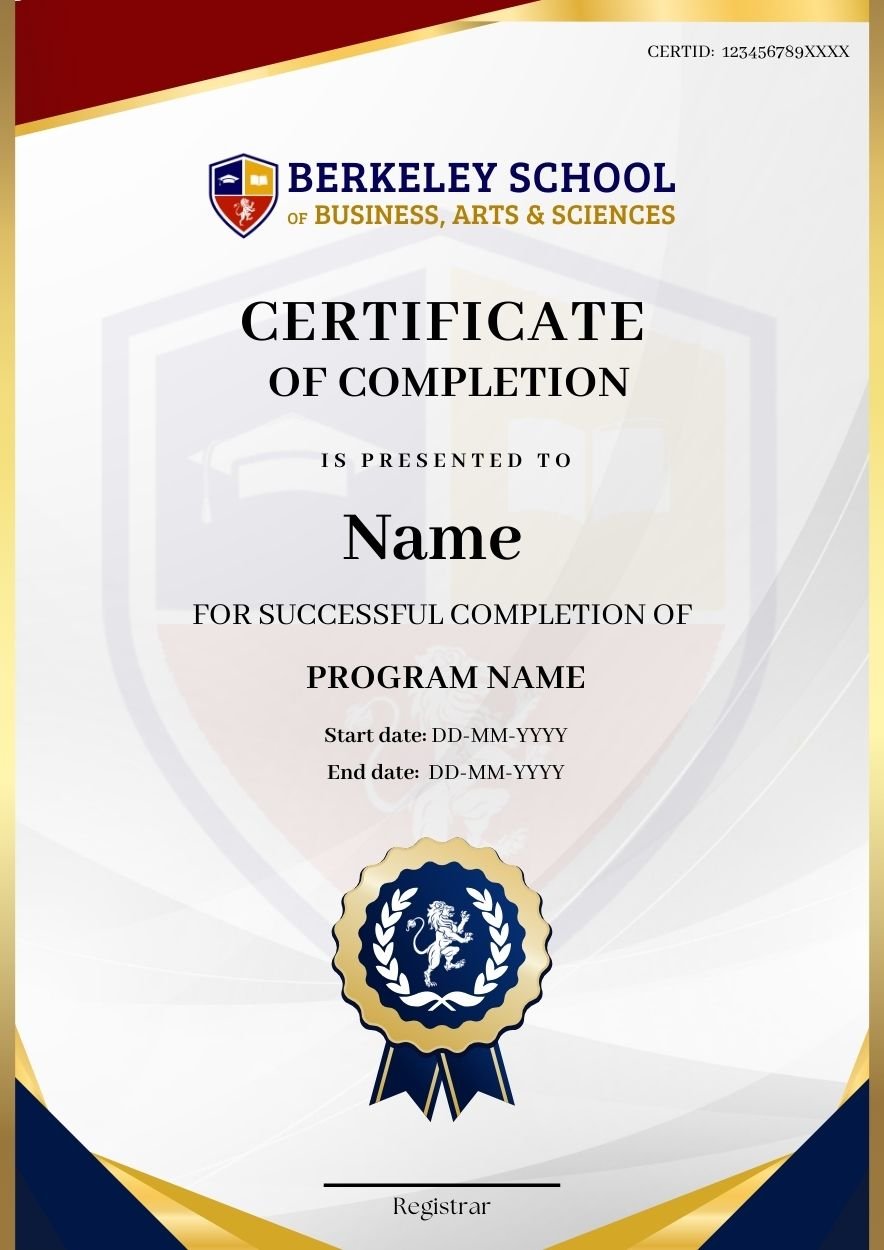
You will get a certificate of completion, which is highly reputed and accepted by employers
Build programming capabilities for creating interactive and functional web solutions using modern development techniques.
Develop knowledge of network security, digital risks, vulnerabilities, and practices for protecting web-based systems.
Strengthen technical, analytical, problem-solving, and professional skills for career development in the IT and web design sector.
Learn to manage, organize, publish, and maintain digital content through content management systems.
Contact Us