BERKELEY SCHOOL OF BUSINESS, ARTS & SCIENCES

Certified International Purchasing/ Procurement Manager (CIPM)

The Certified International Purchasing/Procurement Manager (CIPM) is a professional certification that validates expertise in global procurement strategies, supplier management, and cost-effective sourcing. It focuses on enhancing skills in strategic purchasing, negotiation, and supply chain management at an international level.

Overview

The Certified International Purchasing/Procurement Manager (CIPM) certification is designed for professionals in the field of purchasing and procurement who wish to enhance their skills and knowledge on a global scale. It focuses on providing expertise in strategic sourcing, negotiation, supplier management, and the legal and ethical considerations involved in international procurement.


Objectives:

‣ Develop a comprehensive understanding of international sourcing, management, and administration processes, along with key issues in global purchasing and supply chain management.

‣ Gain insights into the study approach and preparation strategies for the CIPM certification.

‣ Identify high-priority CIPM tasks requiring focused study to successfully pass the certification exam.

Offered by

International Purchasing and Supply Chain Management Institute (IPSCMI)

Head office

Ontario, Canada.

Members

 100,000 Members

Vision & Mission

The vision of the International Purchasing and Supply Chain Management Institute (IPSCMI) is to be a global leader in empowering professionals through advanced procurement and supply chain management education, fostering excellence and innovation in the industry. Its mission is to provide high-quality certification programs, resources, and a supportive community to help procurement and supply chain professionals develop their skills, enhance their careers, and drive sustainable value across organizations worldwide.

What is the Eligibility?

It is suitable for individuals interested in International Purchasing/Procurement regardless of their background. You need to have a degree or a minimum of three years of experience in purchasing or supply chain management to get the certificate.

Who can do?
anyone who is interested to learn about following concepts can pursue Certified International Purchasing/ Procurement Manager (CIPM):
Procurement Strategy and Planning, Supplier Selection and Management, Global Sourcing and Market Analysis, Contract Management and Negotiation, Procurement Law and Ethics, Supply Chain Risk Management, Sustainable Procurement Practices, Cost Management and Budgeting, Procurement Performance Evaluation, International Trade and Logistics, Strategic Supplier Relationships, Technology in Procurement (E-Procurement), Ethical Sourcing and Corporate Social Responsibility (CSR).
individuals with the following designations:
Designations to pursue after achieving the Certified International Purchasing/Procurement Manager (CIPM, Level 2) certification include Procurement Manager, Supply Chain Manager, Purchasing Manager, Strategic Sourcing Manager, Supply Chain Director, Category Manager, Supplier Relationship Manager, Global Procurement Manager, Purchasing Coordinator, Procurement Consultant, and Logistics Manager. These roles offer opportunities for advancement in the field of procurement, supply chain management, and strategic sourcing..

Course structure

Module 1: Global Sourcing and Procurement Overview

This lecture introduces the foundational concepts of global sourcing and procurement. It covers the key differences between domestic and global purchasing, highlighting the benefits and challenges of sourcing internationally. Topics include the various levels of global sourcing, the process of switching from domestic to global sourcing, common roadblocks, and strategies for overcoming them. Additionally, the lecture will explore sourcing strategies, their pros and cons, and the role of domestic global sourcing companies in shaping an effective global procurement strategy.

Module 2: Sourcing and Supplier Management

This lecture delves into the operational aspects of international sourcing and supplier management. It covers the importance of in-country-based sourcing representatives and the establishment of an International Purchase Office (IPO). Topics include sourcing directly from offshore suppliers, identifying and qualifying offshore suppliers, and evaluating procurement techniques. The lecture will also cover key considerations for comparing total landed costs of acquisition and strategies for negotiating with offshore suppliers and financing international transactions.

Module 3: Contracting and Legal Considerations

In this lecture, we focus on the legal and contractual aspects of international procurement. Key topics include the role of domestic law and the CISG (Convention on Contracts for the International Sale of Goods), as well as the process of preparing contracts with offshore suppliers. The lecture will highlight the essential documentation required for international procurement, key contract clauses, and dispute settlement provisions. Additionally, recommended methods of payment and strategies for protecting purchases from foreign currency exposure will be discussed.

Module 4: Shipping and Logistics

This lecture covers the critical logistics and shipping considerations in international procurement. Topics include the various terms of purchase and shipping documentation, and what the purchaser should specify in an international purchase contract. The lecture will also explore International Commercial Terms (INCOTERMS), and essential international purchasing documents such as the Bill of Lading. Finally, the session will focus on international negotiation techniques, cultural influences on negotiations, and managing the negotiation process effectively.

Module 5: Negotiation Styles and Decision Making

This lecture focuses on negotiation strategies and decision-making in the context of international procurement. It explores global negotiation styles and cultural differences, such as the American perspective on negotiating with Saudis, and vice versa. The session will also examine practical issues in cross-cultural negotiations, decision-making processes, and approaches to resolving differences in negotiation tactics. By understanding these nuances, participants will be better equipped to manage complex international negotiations effectively.

Lecture plan

Lecture 1: Global Sourcing and Procurement Overview (3 hours)

Differences: Domestic and Global Purchasing

Global Sourcing Levels

Global Sourcing Benefits

Switching from Domestic to Global Sourcing

Roadblocks to Overcome

Starting an Offshore Buying Program

Sourcing Strategies (Pros and Cons)

Domestic Global Sourcing Companies

Lecture 2: Sourcing and Supplier Management (3 hours)

In-Country-Based Sourcing Representatives

Establishing Dedicated International Purchase Office (IPO)

Direct from Offshore Suppliers

Identifying and Qualifying Offshore Suppliers

Using Available Procurement Techniques

Comparing Total Landed Cost of Acquisition

Negotiating With Offshore Suppliers

Financing the Transaction

Lecture 3: Contracting and Legal Considerations (3 hours)

The Role of Domestic Law and CISG

Preparing the Contract with the Offshore Supplier

Documentation Required

Key Clauses for the Contract with the Offshore Supplier

Dispute Settlement Provisions for the Contract with the Offshore Supplier

Recommended Methods of Payment

Protecting the Purchase from Foreign Currency Exposure

Terms of Purchase Documentation

Lecture 4: Shipping and Logistics (3 hours)

The Terms of Shipping Documentation

What the Purchaser Should Specify in the International Purchase Contract

International Commercial Terms (INCOTERMS)

Bill of Lading and Other International Purchasing Documents

International Negotiation

The Influence of Culture on International Negotiation

The International Negotiation Process

Managing International Negotiations

Lecture 5: Negotiation Styles and Decision Making (3 hour)

Decision Making

Global Negotiation Styles

Foreigner’s Viewpoint of Americans as Negotiators

American Viewpoints of Saudis as Negotiators

Differences in Negotiation Approaches, Saudis and Americans

Practical Issues in Cross-Cultural Negotiation

Learning Methodology

Berkeley offers expertly developed learning materials tailored to meet participants' needs, ensuring comprehensive coverage of the syllabus and optimal exam preparation.

‣ Tailored Material: Guides are designed to cover the entire syllabus, offering full preparation and deep understanding.

‣ In-Depth Content: Unlike superficial outlines, our materials provide fully developed theories and concepts, equipping participants with complete knowledge.

‣ Strategic Study: We help participants prioritize study time by indicating the weight of each topic, allowing efficient focus on crucial areas.

‣ Difficulty Levels: Topics are labeled as "Awareness" or "Proficiency," guiding participants to allocate time based on the required depth of knowledge.

‣ Comprehensive Coverage: Our materials include detailed theory and a glossary of technical terms to clarify complex concepts.

‣ Effective Learning Techniques: Visual aids and memorization techniques ensure long-lasting retention, helping candidates succeed.

Berkeley’s methodologies equip participants with the essential knowledge and tools for both exams and future success.

Lecture Image
Lectures

Our lecture plan integrates structured learning with interactive teaching methods, promoting engagement and collaboration. This approach ensures a comprehensive understanding of concepts, fostering critical thinking and practical application in real-world scenarios.

Lecture Image
Practice Session

Practice SessPractice sessions offer hands-on experience through guided exercises, enhancing skills and reinforcing knowledge. This practical approach ensures mastery of concepts, promoting.

Lecture Image
Mock Examination

Mock examinations simulate real test conditions, providing valuable practice and assessment. This helps identify strengths and weaknesses, ensuring thorough preparation and boosting confidence for actual exams.

Berkeley's performance standards

Evaluates and ensure the quality of the training program and all its deliverables. This is measured through the following indicators:
‣ Instructors' experience and style in presenting and explaining topics.
‣ Variety and balance of teaching methods (such as discussions, case studies, mock exams, and videos) used in the course to ensure retention and to match the learning objectives.
‣ Level of interactivity.
‣ Feedback from program participants.
‣ Full compliance with Institute standards and guidelines for preparation and study requirements and methodology.
‣ Progress reports from the training program provider.

Success Stories

“As a strong advocate for education and human development, I commend Berkeley for its exceptional commitment to empowering future leaders. The institution stands as a symbol of excellence, innovation, and opportunity. Students who walk its halls are nurtured with knowledge, values, and vision—qualities that contribute to building a stronger and more prosperous future for our nation.”- H.H. Shaikh Khalifa Al Hamid

Visit our Alumni

Alumni Benefits

‣ Exclusive Networking Events: Access invitations to industry-leading events and thought-leadership gatherings featuring renowned speakers.


‣ Monthly Updates: Stay informed with a newsletter highlighting the latest research, events, and activities from the school.


‣ LinkedIn Community Access: Join the Executive Education LinkedIn group for networking and professional development opportunities.


‣ Educational Discounts: Enjoy a 20% discount on open-enrollment programs and access to workshops focused on emerging trends.


‣ Global Alumni Network: Connect with a diverse alumni community through the Berkeley School’s online network and engage in country and interest groups.

Is It Worth the Investment?

The annual salaries for a Certified International Purchasing/Procurement Manager (CIPM, Level 2) vary across different countries, reflecting local economic conditions and demand for procurement professionals.

  • United Kingdom: Purchasing managers earn between £42,000 and £55,000 per year.
     
  • United States: Procurement managers have an average annual salary of approximately $105,000.
     
  • United Arab Emirates: The average monthly salary for procurement managers is AED 7,552, equating to about AED 90,624 annually.
     
  • Canada: Procurement managers earn an average annual salary of approximately $67,840.
     
  • Kingdom of Saudi Arabia: Procurement managers have an average monthly salary of SAR 21,250, translating to about SAR 255,000 annually.

What You Earn

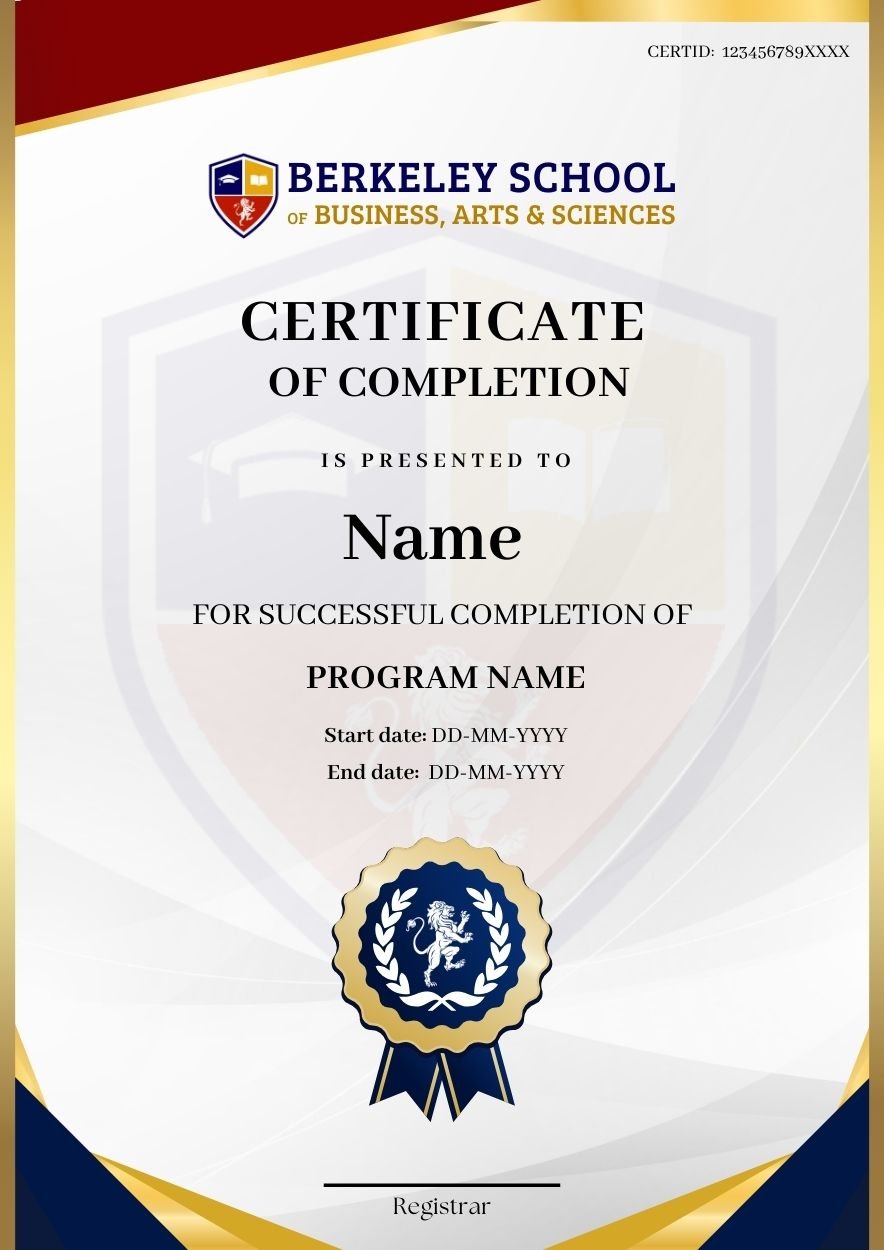
You will get a certificate of completion, which is highly reputed and accepted by employers

Industry Relevance

The Certified International Purchasing/Procurement Manager (CIPM, Level 2) certification is highly relevant in industries such as manufacturing, logistics, retail, and any sector involving global procurement and supply chain management.

Technical Skills

Technical skills for the Certified International Purchasing/Procurement Manager (CIPM, Level 2) include expertise in strategic sourcing, supplier management, contract negotiation, and the use of procurement software and e-procurement systems.

Future Trends

Future trends in procurement include increased automation, the use of artificial intelligence for supplier analytics, a focus on sustainability, and the integration of blockchain for enhanced transparency and efficiency.

Fundamental Knowledge

Fundamental knowledge for the Certified International Purchasing/Procurement Manager (CIPM, Level 2) includes understanding procurement strategies, supplier relationship management, contract law, and supply chain dynamics.

Career Advancement

Career advancement after obtaining the Certified International Purchasing/Procurement Manager (CIPM, Level 2) certification includes opportunities for roles like Procurement Director, Supply Chain Manager, or Chief Procurement Officer (CPO).

Related courses

Supply Chain for Customs and Border Management Professionals

We take pride in offering a specialized masterclass in supply chain management specifically designed for customs and border management professionals from both the public and private sectors. This comprehensive program equips participants with the advanced knowledge and skills needed to navigate the complexities of modern supply chains while effectively managing customs and border procedures.

Read More
Certificate in International Trade and Export Management

Certificate In International Trade & Export Management provides students with the skills required to effectively manage and/or work in businesses or organizations involved in cross-border trading of goods in a global economy. This Certificate reflects the importance of understanding global trade and supply chain/logistics management and is built on foundational knowledge in international trade, global supply chain and logistics, and cross-cultural management skills. 

Read More
Certified International Purchasing/ Procurement Professional (CIPP)

The Certified International Purchasing/Procurement Professional (CIPP) is a credential designed to validate expertise in global procurement practices. It covers key areas like supplier management, contract negotiations, and international purchasing strategies, enhancing professional credibility in the procurement field.

Read More
Certified International Purchasing / Procurement Consultant

The Certified International Purchasing/Procurement Consultant (CIPC, Level 3) is a professional certification focused on advanced procurement strategies and practices. It demonstrates expertise in global supply chain management, strategic sourcing, and procurement leadership.

Read More

FAQ: Certified International Purchasing/ Procurement Manager (CIPM)

contact us for more information or to apply for admission. Seats fill up quickly, so we encourage early registration!

Cart

Cart (0)