BERKELEY SCHOOL OF BUSINESS, ARTS & SCIENCES

Bar Transfer Test (BTT) Course for England and Wales

The Bar Transfer Test (BTT) provides foreign-qualified lawyers with the opportunity to transfer to the Bar of England and Wales, without having to complete the full educational and training requirements of the Academic Stage (Qualifying Law Degree or conversion course) and the Vocational Stage (Bar Professional Training Course).

Overview

The Bar Transfer Test (BTT) provides foreign-qualified lawyers with the opportunity to transfer to the Bar of England and Wales, without having to complete the full educational and training requirements of the Academic Stage (Qualifying Law Degree or conversion course) and the Vocational Stage (Bar Professional Training Course). 


The BTT is divided into two sections. The first section evaluates foundational legal subjects, including Public Law (Constitutional, Administrative Law, and Human Rights), Law of the European Union, Criminal Law, Obligations (Contract, Restitution, and Tort), Property Law, Equity, and the Law of Trusts, and the English Legal System. 


The second section focuses on practice-oriented modules such as Advocacy (oral assessments, including Civil applications, Cross-examination, and Examination in Chief), Civil Litigation and Evidence, Criminal Litigation, Evidence and Sentencing, and Professional Ethics. Candidates are also required to join an Inn and attend qualifying sessions. They may be eligible for waivers in some or all of the foundational subjects if the Bar Standards Board (BSB) determines that they have covered these areas adequately in their previous degree.

Offered by

Berkeley School of Business, Arts & Sciences

What is the eligibility?

You are eligible to apply for this training if you are a qualified lawyer who has a license to appear in courts and hold a Bachelor of Laws degree (LLB). Please note that age is no bar in applying for the Bar Transfer Test.

Who can do?
anyone who is interested to learn about following concepts can pursue Bar Transfer Test (BTT) Course for England and Wales:
Professional Ethics, Civil litigation, Criminal litigation, Advocacy, Advocacy Trainin, Professional Ethics, Civil litigation, Criminal, Advocacy, Civil Application, Advocacy, Examination in Chief, Advocacy, Cross-Examination.
individuals with the following designations:
Foreign Lawyers, International Law Graduates, Foreign Bar Members, Legal Professionals with Specialized Expertise, Barristers and Advocates, Lawyers Seeking Dual Qualification, Expatriate Lawyers, Legal Professionals Returning to Practice, Legal Consultants and Academics, Solicitors.

Course structure

The Bar Transfer Test (BTT) for England and Wales is designed for foreign-trained lawyers or those with equivalent legal qualifications who wish to qualify as barristers in the jurisdiction. The course structure of the BTT is tailored to assess candidates’ knowledge of the English legal system, practical skills, and ethical standards required to practice law in England and Wales.

Bar Transfer Course: Course Outline

Criminal Litigation & Sentencing

Advocacy

Professional Ethics

Civil Litigation

Lecture plan

Four modules will be taught during the Bar Transfer Course (BTC) over the period of six months:

Criminal Litigation & Sentencing

Preliminaries

Bail

Classification of offences

Summary & Youth court trial

Cases in Crown Court

Appeals to magistrates decisions

Disclosure

Indictments

Crown Court trails

Appeals to the Court of Appeal

Conviction & Sentencing - Procedure

The principles of sentencing

Custodial & Non-custodial sentences

Sentencing young offenders

Advocacy

Delivery

Structure

Persuasion

Skeleton arguments

Case Analysis

Examination-In-Chief

Case theory in EIC

Cross-Examination - Functions & Requirements

Cross-Examination - Techniques

Opening and closing a case

Witnesses

Professional Ethics

You and the court

Behaving ethically

You and your client

You and your regulator

You and your practice

Public access and license accessed work

Complaints

The unregistered barrister

The scope of practice

The Qualification rules

The Proceeds of Crime Act 2002

The letter and spirit of the Code

Professional conduct problems

Civil Litigation

Funding litigation

The civil courts

Overriding Objectives & Human Rights

Pre-Action protocols

Issuing and serving

Renewal of process

Part 8 claims and petitions

Personal injury claims

Alternate Dispute Resolution

Service outside the jurisdiction

Responding to a claim

Default Judgement

Statements of case

Track Allocation, Case, and Cost Management

Request for Further Information

Parties and Joinder

Learning Methodology

Berkeley offers expertly developed learning materials tailored to meet participants' needs, ensuring comprehensive coverage of the syllabus and optimal exam preparation.

‣ Tailored Material: Guides are designed to cover the entire syllabus, offering full preparation and deep understanding.

‣ In-Depth Content: Unlike superficial outlines, our materials provide fully developed theories and concepts, equipping participants with complete knowledge.

‣ Strategic Study: We help participants prioritize study time by indicating the weight of each topic, allowing efficient focus on crucial areas.

‣ Difficulty Levels: Topics are labeled as "Awareness" or "Proficiency," guiding participants to allocate time based on the required depth of knowledge.

‣ Comprehensive Coverage: Our materials include detailed theory and a glossary of technical terms to clarify complex concepts.

‣ Effective Learning Techniques: Visual aids and memorization techniques ensure long-lasting retention, helping candidates succeed.

Berkeley’s methodologies equip participants with the essential knowledge and tools for both exams and future success.

Lecture Image
Lectures

Our lecture plan integrates structured learning with interactive teaching methods, promoting engagement and collaboration. This approach ensures a comprehensive understanding of concepts, fostering critical thinking and practical application in real-world scenarios

Lecture Image
Practice Session

Practice sessions offer hands-on experience through guided exercises, enhancing skills and reinforcing knowledge. This practical approach ensures mastery of concepts, promoting confidence and competence in real-world applications

Lecture Image
Mock Examination

Mock examinations simulate real test conditions, providing valuable practice and assessment. This helps identify strengths and weaknesses, ensuring thorough preparation and boosting confidence for actual exams

berkeley's performance standards

Evaluates and ensure the quality of the training program and all its deliverables.  This is measured through the following indicators:
‣ Instructors' experience and style in presenting and explaining topics.
‣ Variety and balance of teaching methods (such as discussions, case studies, mock exams and videos) used in the course to ensure retention and to match the learning objectives.
‣ Level of interactivity.
‣ Feedback from program participants
‣ Full compliance with Institute standards and guidelines for preparation and study requirements and methodology.
‣ Progress reports from the training program provider.

What are the Exam Information?

Exam Format

The BTT consists of two main components:

1. Legal Foundation Exam - Written Exams: This part tests your knowledge of the foundational legal subjects, which are essential for practice at the Bar. The subjects typically include: Public Law (including Constitutional Law, Administrative Law, and Human Rights), Criminal Law, Law of the European Union, Obligations (including Contract, Restitution, and Tort), Property Law, Equity and Trusts, English Legal System. The format of these exams may vary, but they often consist of written assessments, multiple-choice questions, or essays to test your theoretical understanding of these core areas.


2. Legal Practice Exam: The second part of the BTT focuses on the practical skills needed by barristers, including advocacy and the application of legal theory in practical scenarios. This section includes:

‣ Advocacy: This is a critical component, and you will be required to take part in oral advocacy assessments, which typically include: Civil Applications (oral submissions in civil proceedings), Cross-examination (the ability to cross-examine a witness), Examination-in-Chief (leading evidence from your own witness)

‣ Civil Litigation: This includes practical knowledge of civil procedures, including the Civil Procedure Rules and evidentiary requirements.

‣ Criminal Litigation: This includes knowledge of criminal procedures, the handling of criminal evidence, and understanding the process of sentencing.

‣ Professional Ethics: You will be assessed on your understanding of the Bar Standards Board’s Code of Conduct and other ethical obligations for barristers.


Professional Ethics Assessment: You will also undergo a Professional Ethics assessment, which includes both written and oral evaluations. You will be tested on:

‣ The ethical obligations of barristers, including duties to the court, clients, and third parties.

‣ Your ability to handle conflicts of interest, confidentiality, and issues of professional conduct.

Passing Criteria

To successfully pass the BTT, you must:

  • Pass all the written exams covering the foundational legal subjects.
  • Pass all oral advocacy assessments and written practice assessments (Civil and Criminal Litigation, Professional Ethics).
  • Attend and complete the qualifying sessions at an Inn of Court.
  • Demonstrate a sufficient understanding of professional ethics through both written and oral assessments.
Exam Timing and Locations

The Bar Standards Board (BSB) will inform candidates of specific dates, times, and venues once they apply for the BTT and are eligible to take the test. The written exams may be held at several centers across England and Wales, while the oral exams and practical assessments will likely take place in London at the Inns of Court.

Success Stories

“As a strong advocate for education and human development, I commend Berkeley for its exceptional commitment to empowering future leaders. The institution stands as a symbol of excellence, innovation, and opportunity. Students who walk its halls are nurtured with knowledge, values, and vision—qualities that contribute to building a stronger and more prosperous future for our nation.”- H.H. Shaikh Khalifa Al Hamid

Visit our Alumni

Alumni Benefits

‣ Exclusive Networking Events: Access invitations to industry-leading events and thought-leadership gatherings featuring renowned speakers.


‣ Monthly Updates: Stay informed with a newsletter highlighting the latest research, events, and activities from the school.


‣ LinkedIn Community Access: Join the Executive Education LinkedIn group for networking and professional development opportunities.


‣ Educational Discounts: Enjoy a 20% discount on open-enrollment programs and access to workshops focused on emerging trends.


‣ Global Alumni Network: Connect with a diverse alumni community through the Berkeley School’s online network and engage in country and interest groups.

Is It Worth the Investment?

Salaries for Bar transfer course candidates, who are typically foreign-trained lawyers seeking to practice in a new jurisdiction, can vary based on their career level, the region, and the legal market. Here's a breakdown of salary expectations for Bar transfer candidates by career level in different countries:

1. United States (USA)

Entry-Level: $70,000 - $100,000 per year  Mid-Level: $100,000 - $150,000 per year  Senior-Level: $150,000 - $250,000+ per year

2. Canada

Entry-Level: CAD 60,000 - CAD 90,000 per year  Mid-Level: CAD 90,000 - CAD 130,000 per year  Senior-Level: CAD 130,000 - CAD 200,000+ per year 

3. United Kingdom (UK)

Entry-Level: £45,000 - £70,000 per year  Mid-Level: £70,000 - £100,000 per year  Senior-Level: £100,000 - £250,000+ per year

4. United Arab Emirates (UAE)

Entry-Level: AED 180,000 - AED 250,000 per year  Mid-Level: AED 250,000 - AED 400,000 per year  Senior-Level: AED 400,000 - AED 600,000+ per year

5. Saudi Arabia (KSA)

Entry-Level: SAR 100,000 - SAR 150,000 per year  Mid-Level: SAR 150,000 - SAR 250,000 per year  Senior-Level: SAR 250,000 - SAR 450,000+ per year

What you earn

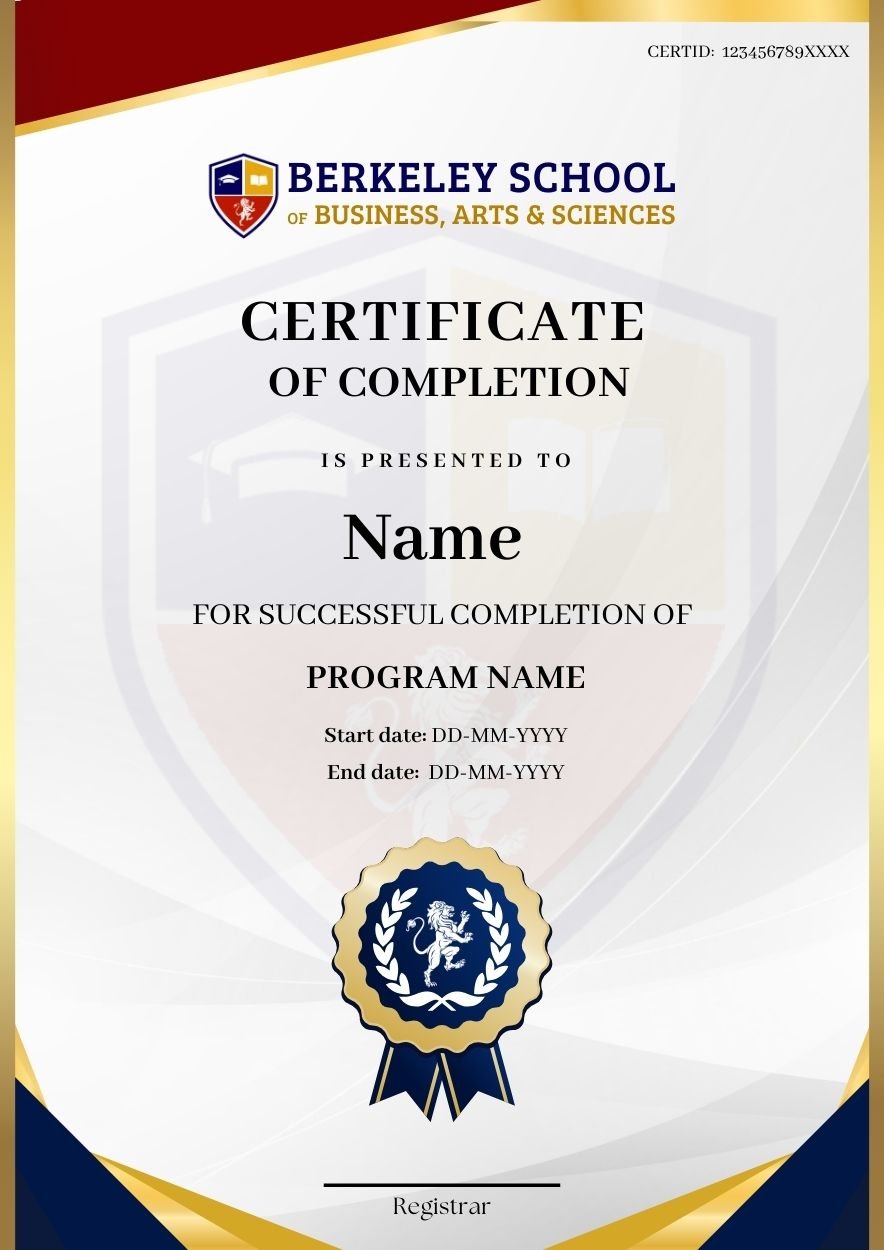
You will get a certificate of completion, which is highly reputed and accepted by employers.

Recognition of Legal Competence in a New Jurisdiction

Passing the Bar Transfer Course demonstrates that you have acquired the necessary knowledge of the laws and legal system of the new jurisdiction.

Expanded Career Opportunities

After passing the Bar Transfer Course and passing the bar exam, you are qualified to practice law in a new region.

Broader Legal Practice and Networking

As a qualified attorney in a new jurisdiction, you’ll have the chance to build a professional network in that region. This could lead to new clients, partnerships, or employment opportunities in the local legal market.

Enhanced Professional Credentials

Successfully completing the Bar Transfer Course can boost your professional credentials, especially if you’re an attorney already practicing in one jurisdiction and looking to expand your career. New Jurisdiction Recognition: Being licensed in multiple jurisdictions increases your marketability as a legal professional and allows you to offer legal counsel across state or national borders.

Access to Continuing Legal Education and Resources

After passing the Bar Transfer Course, you may gain access to continuing legal education (CLE) resources and other professional development programs in the new jurisdiction, helping you stay up to date with legal changes and maintain your professional status.

Related courses

MBA - Master of Business Administration (Top-Up) (from UK)

Program Duration: 4 to 6 Months

Program Credits: Full MBA with Diploma Level 7 is 180 Credits

Format: Online Distance Learning

Read More
Executive Leadership Program: The Chinese Approach to Leadership

Transforming Arab Enterprises with China's Innovations.

Major global manufacturing hub World's second-largest economy.

Tech industry leads global innovation One of the largest consumer markets in the world.

Read More
Trade Facilitation for Practitioners & Policy Makers

The "Trade Facilitation Masterclass for Practitioners & Policy Makers" is an intensive program designed to equip participants with practical knowledge and strategic insights into modern trade facilitation practices. It focuses on streamlining trade processes, enhancing compliance, and fostering economic growth through improved policy-making and implementation strategies. Ideal for professionals involved in trade regulation, customs, and international trade policy, the masterclass combines expert-led sessions, case studies, and interactive discussions to empower attendees with the tools needed to drive efficiency and innovation in trade operations.

Read More
Certified Anti-Money Laundering Specialist

Certified Anti-Money Laundering Specialist certification equips professionals with the expertise to detect, prevent, and report financial crimes. Recognized worldwide, it strengthens careers in compliance, banking, and risk management. This program enhances knowledge of AML regulations, due diligence, and investigative techniques, ensuring organizations meet global anti-money laundering standards effectively.

Read More

FAQ: Bar Transfer Test (BTT) Course for England and Wales

contact us for more information or to apply for admission. Seats fill up quickly, so we encourage early registration!

Cart

Cart (0)