The PMI Scheduling Professional (PMI-SP) certification validates the knowledge and practical skills required to develop, manage, analyze, and optimize project schedules. It is designed for professionals responsible for planning, scheduling, monitoring, and controlling project timelines to support successful project delivery.
The PMI Scheduling Professional (PMI-SP) certification is a globally recognized credential from the Project Management Institute (PMI) that validates advanced knowledge and practical expertise in project scheduling. It is designed for professionals responsible for developing, maintaining, analyzing, and controlling project schedules to ensure projects are delivered on time and aligned with organizational objectives.
The certification focuses on scheduling principles, schedule planning, schedule model development, schedule analysis, monitoring and control, stakeholder communication, and schedule optimization. It equips professionals with the skills to create realistic schedules, identify critical paths, manage dependencies, analyze schedule performance, mitigate delays, and support informed decision-making throughout the project life cycle.
Based on PMI's Examination Content Outline (ECO), the PMI Scheduling Professional (PMI-SP) certification demonstrates the ability to apply internationally recognized scheduling practices across a wide range of industries. Earning this credential enhances professional credibility and prepares individuals for scheduling-focused roles in construction, engineering, information technology, manufacturing, energy, infrastructure, healthcare, and other project-driven sectors.
| Skill Area | Learning Outcome |
|---|---|
| Schedule Planning | Develop comprehensive project schedules |
| Schedule Development | Build logical and realistic schedule models |
| Critical Path Analysis | Identify and manage critical project activities |
| Schedule Monitoring | Track progress and measure schedule performance |
| Schedule Control | Manage schedule changes and corrective actions |
| Stakeholder Communication | Communicate schedule status and project progress |
Project Management Institute (PMI)
Newtown Square, Pennsylvania, USA
More than 700,000 members, credential holders, and volunteers across 180+ countries, forming one of the world's largest professional communities for project, program, portfolio, and PMO management.
1969 (Project Management Institute was established in 1969 in Pennsylvania, USA.)
The Project Management Institute (PMI) envisions a world where project success drives organizational growth, innovation, and positive societal impact. Its mission is to empower individuals and organizations through globally recognized certifications, professional standards, education, research, and lifelong learning opportunities that advance excellence in project, program, portfolio, scheduling, and project management office (PMO) practices.
To be eligible for the PMI Scheduling Professional (PMI-SP) certification, candidates must meet one of the following eligibility pathways before applying for the examination:
These eligibility requirements ensure that candidates possess the education, practical scheduling experience, and specialized knowledge needed to demonstrate professional competence in project scheduling.
The PMI Scheduling Professional (PMI-SP) course is structured around the five domains of PMI's official Examination Content Outline (ECO). It provides comprehensive knowledge of project scheduling principles, schedule planning, schedule development, monitoring and controlling, schedule closeout, and stakeholder communication. Participants will learn industry-recognized scheduling practices to create, maintain, analyze, optimize, and communicate project schedules that support successful project delivery.
This module introduces the strategic role of project scheduling and its contribution to achieving organizational objectives. Participants learn how to establish scheduling approaches, align schedules with project goals, and define scheduling requirements.
Project Scheduling Fundamentals
Schedule Governance and Strategy
Scheduling Standards and Best Practices
Organizational Alignment and Planning
This module focuses on developing comprehensive project schedules by defining activities, sequencing work, estimating durations, allocating resources, and building realistic schedule models.
Work Breakdown Structure (WBS)
Activity Definition and Sequencing
Resource and Duration Estimation
Schedule Development and Critical Path Analysis
Participants learn techniques for tracking project progress, measuring schedule performance, analyzing variances, forecasting outcomes, and implementing corrective actions to maintain project timelines.
Schedule Performance Measurement
Schedule Variance Analysis
Forecasting and Schedule Optimization
Change Control and Corrective Actions
This module explains how to complete project scheduling activities, verify schedule performance, document lessons learned, archive scheduling information, and support organizational knowledge management.
Schedule Verification
Lessons Learned and Documentation
Schedule Records and Archiving
Continuous Improvement
This module develops the communication skills required to present schedule information effectively, manage stakeholder expectations, prepare schedule reports, and support informed project decision-making.
Schedule Reporting
Stakeholder Communication
Executive Schedule Presentations
Collaboration and Decision Support
Berkeley offers expertly developed learning materials tailored to meet participants' needs, ensuring comprehensive coverage of the syllabus and optimal exam preparation.
‣ Tailored Material: Guides are designed to cover the entire syllabus, offering full preparation and deep understanding.
‣ In-Depth Content: Unlike superficial outlines, our materials provide fully developed theories and concepts, equipping participants with complete knowledge.
‣ Strategic Study: We help participants prioritize study time by indicating the weight of each topic, allowing efficient focus on crucial areas.
‣ Difficulty Levels: Topics are labeled as "Awareness" or "Proficiency," guiding participants to allocate time based on the required depth of knowledge.
‣ Comprehensive Coverage: Our materials include detailed theory and a glossary of technical terms to clarify complex concepts.
‣ Effective Learning Techniques: Visual aids and memorization techniques ensure long-lasting retention, helping candidates succeed.
Berkeley’s methodologies equip participants with the essential knowledge and tools for both exams and future success.
Our lecture plan integrates structured learning with interactive teaching methods, promoting engagement and collaboration. In addition, this approach ensures a comprehensive understanding of concepts, fostering critical thinking and practical application in real-world scenarios
Practice sessions offer hands-on experience through guided exercises, enhancing skills and reinforcing knowledge. Moreover, this practical approach ensures mastery of concepts, promoting confidence and competence in real-world applications
Mock examinations of simulate real test conditions, providing valuable practice and assessment. In addition, this helps identify strengths and weaknesses, ensuring thorough preparation and boosting confidence for actual exams
Evaluates and ensure the quality of the training program and all its deliverables. This is measured through the following indicators:
‣ Instructors' experience and style in presenting and explaining topics.
‣ Variety and balance of teaching methods (such as discussions, case studies, mock exams and videos) used in the course to ensure retention and to match the learning objectives.
‣ Level of interactivity.
‣ Feedback from program participants
‣ Full compliance with Institute standards and guidelines for preparation and study requirements and methodology.
‣ Progress reports from the training program provider.
The PMI Scheduling Professional (PMI-SP) certification validates the knowledge and practical skills required to develop, maintain, analyze, monitor, and optimize project schedules using globally recognized scheduling practices.
| Field | Details |
|---|---|
| Exam Format & Duration | Computer-based examination consisting of 170 multiple-choice questions (150 scored + 20 unscored pretest questions), 230 minutes (3 hours 50 minutes). |
| Exam Dates | Examinations are available year-round. Candidates can schedule their examination after their application is approved and exam fees are paid, subject to Pearson VUE availability. |
| Exam Registration Deadline | There is no fixed registration deadline. Candidates must schedule the examination within their PMI eligibility period after application approval. |
| Passing Criteria | PMI does not publish a fixed passing score. Results are determined using psychometric analysis to ensure fairness, validity, and reliability. |
| Exam Locations | Available at Pearson VUE Test Centers worldwide and through Pearson VUE Online Proctored Testing where available. |
“As a strong advocate for education and human development, I commend Berkeley for its exceptional commitment to empowering future leaders. The institution stands as a symbol of excellence, innovation, and opportunity. Students who walk its halls are nurtured with knowledge, values, and vision—qualities that contribute to building a stronger and more prosperous future for our nation.”- H.H. Shaikh Khalifa Al Hamid
Alumni Benefits
‣ Exclusive Networking Events: Access invitations to industry-leading events and thought-leadership gatherings featuring renowned speakers.
‣ Monthly Updates: Stay informed with a newsletter highlighting the latest research, events, and activities from the school.
‣ LinkedIn Community Access: Join the Executive Education LinkedIn group for networking and professional development opportunities.
‣ Educational Discounts: Enjoy a 20% discount on open-enrollment programs and access to workshops focused on emerging trends.
‣ Global Alumni Network: Connect with a diverse alumni community through the Berkeley School’s online network and engage in country and interest groups.
The PMI Scheduling Professional (PMI-SP) certification is a globally recognized credential for professionals specializing in project scheduling, planning, and schedule control. Moreover, organizations value PMI-SP-certified professionals for their ability to develop reliable project schedules, optimize resources, manage schedule risks, and improve on-time project delivery across complex initiatives.
Furthermore, the certification strengthens your credentials for leadership positions such as Project Scheduler, Planning Engineer, Project Controls Engineer, Scheduling Manager, Project Manager, PMO Scheduler, and Project Controls Manager, while supporting long-term career growth and increased earning potential.
PMI Scheduling Professional (PMI-SP) → Project Scheduler → Planning Engineer → Senior Planning Engineer → Project Controls Engineer → Project Controls Manager → Project Manager → PMO Manager → Program Manager → Portfolio Manager → Director of Project Controls / Executive Leadership
Advance your project management expertise with our Project Management Professional (PMP) certification. Professionals can also explore the Program Management Professional (PgMP) certification for enterprise-level program leadership. For advanced project planning, consider our Primavera P6 Professional Certification course. For the latest examination policies and certification requirements, visit the official PMI Scheduling Professional (PMI-SP) certification page.
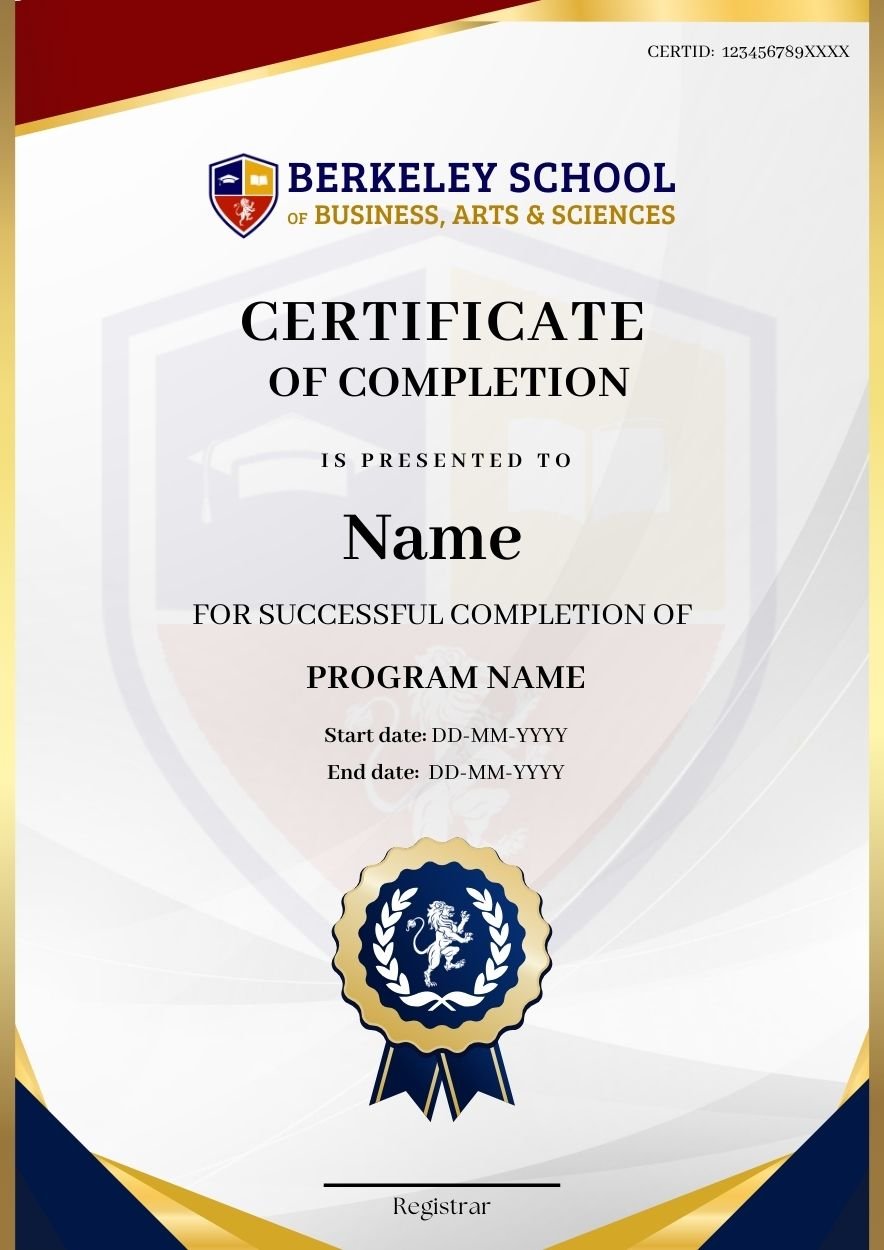
You will get a certificate of completion, which is highly reputed and accepted by employers.
Apply proven project scheduling techniques immediately to develop accurate schedules, optimize resources, monitor schedule performance, control project timelines, and support successful project delivery.
Strengthen your qualifications for professional roles such as Project Scheduler, Planning Engineer, Project Controls Engineer, Scheduling Manager, Project Manager, PMO Scheduler, and Project Controls Manager across construction, engineering, information technology, manufacturing, energy, and other project-driven industries.
Develop the expertise to create, maintain, analyze, and optimize project schedules, manage critical paths and dependencies, communicate schedule performance, and support informed decision-making throughout the project life cycle.
Contact Us