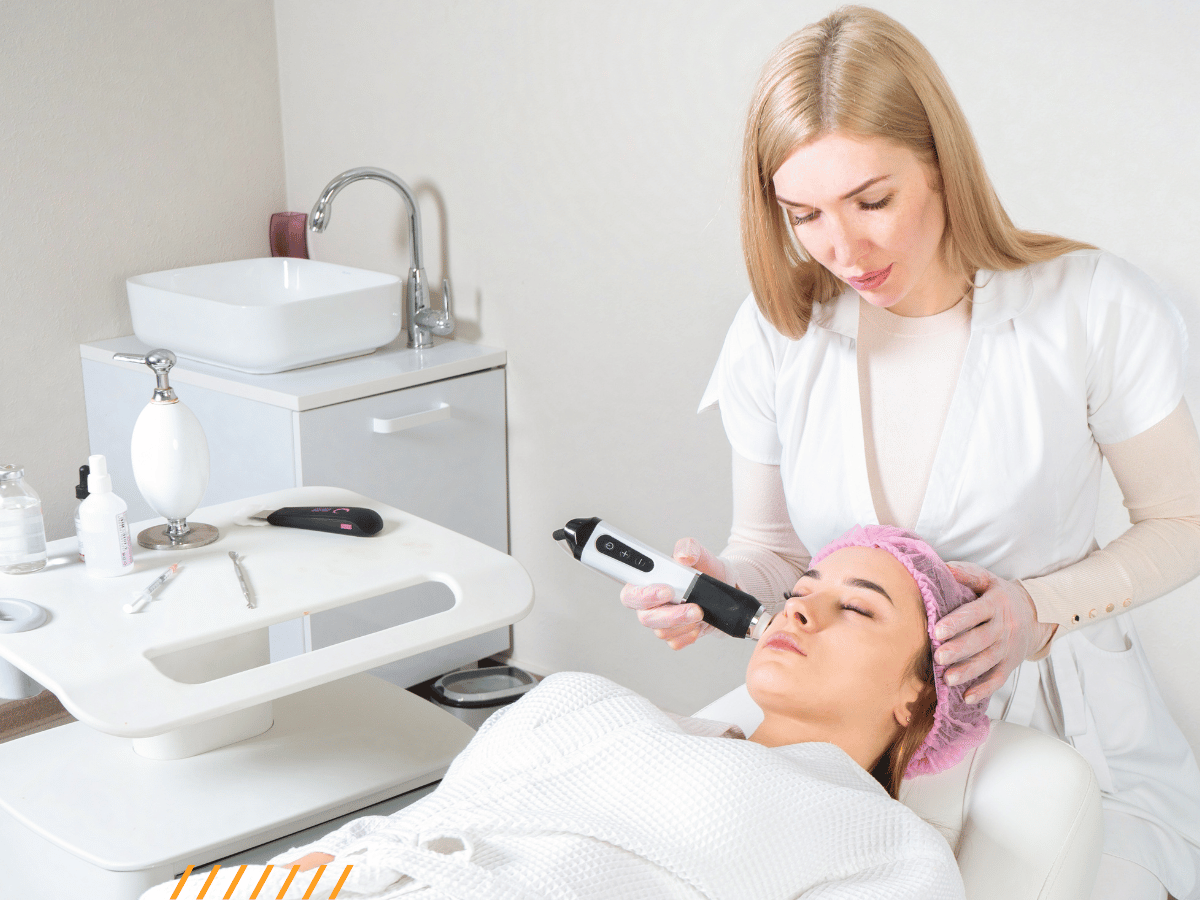
The OSCE Workshops programs designed to help healthcare professionals strengthen clinical examination techniques, communication skills, patient assessment abilities, and practical healthcare competencies required for Objective Structured Clinical Examination (OSCE) assessments and international healthcare licensing pathways.
The OSCE Workshops programme provides structured practical clinical training for healthcare professionals, international medical graduates, nurses, and healthcare practitioners preparing for Objective Structured Clinical Examination (OSCE) assessments and clinical competency evaluations. The programme focuses on clinical examination skills, patient interaction techniques, communication strategies, diagnostic reasoning, emergency scenario management, and evidence-based healthcare practice aligned with international healthcare standards.
| Workshop | Key Topics | Learning Outcomes |
|---|---|---|
| OSCE Fundamentals | OSCE structure, station formats, assessment criteria | Understand OSCE requirements and assessment expectations |
| Clinical History Taking | Patient history, presenting complaints, relevant questions | Develop structured and patient-centred history-taking skills |
| Physical Examination | Examination techniques, clinical signs, systematic approach | Perform examinations confidently and systematically |
| Clinical Communication | Rapport building, active listening, clear explanations | Demonstrate effective and professional patient communication |
| Clinical Skills | Practical procedures, safety, infection control | Perform essential clinical procedures safely and accurately |
| Diagnosis & Clinical Reasoning | Differential diagnosis, clinical findings, decision-making | Apply structured clinical reasoning to patient scenarios |
| Patient Counselling | Treatment explanations, lifestyle advice, patient education | Communicate medical information clearly and empathetically |
| Ethics & Professionalism | Consent, confidentiality, patient dignity, professional conduct | Demonstrate appropriate ethical and professional behaviour |
| Emergency Scenarios | Acute presentations, prioritisation, immediate management | Respond appropriately to common clinical emergencies |
| Prescribing & Medication | Medication history, prescriptions, counselling, safety | Demonstrate safe and effective medication-related communication |
| Mock OSCE Stations | Timed stations, realistic scenarios, examiner-style assessment | Practise OSCE performance under realistic examination conditions |
| Performance Feedback | Examiner feedback, common errors, improvement strategies | Identify weaknesses and improve clinical performance |
| Time Management | Station timing, task prioritisation, structured responses | Manage examination time effectively across OSCE stations |
| Final OSCE Preparation | Revision, practice stations, exam strategy, confidence building | Prepare systematically and approach OSCE examinations with greater confidence |
Objective Structured Clinical Examination (OSCE) Clinical Skills Training Program
Our vision and mission are to support healthcare professionals through structured OSCE clinical skills training, patient-centered healthcare education, practical examination preparation, and evidence-based clinical learning methodologies designed to strengthen clinical confidence, communication skills, patient assessment techniques, professional competency development, and international healthcare career advancement aligned with global healthcare standards.
This module introduces OSCE examination structures, patient communication techniques, clinical professionalism, healthcare ethics, and patient-centered healthcare interaction methodologies aligned with international clinical assessment standards.
Introduction to OSCE Examination
Patient Communication Skills
Healthcare Ethics & Professionalism
Clinical Interaction Techniques
This module focuses on clinical examination techniques, patient assessment skills, diagnostic reasoning, history taking methodologies, and evidence-based healthcare assessment practices required for OSCE clinical stations.
Clinical Examination Techniques
Patient History Taking
Diagnostic Reasoning Skills
Patient Assessment Methodologies
This module provides practical OSCE simulations, emergency healthcare scenarios, mock clinical stations, patient management exercises, and performance-based healthcare training designed to improve clinical confidence and examination readiness.
Mock OSCE Stations
Emergency Clinical Scenarios
Patient Management Exercises
Performance Feedback & Revision Workshops
Berkeley offers expertly developed learning materials tailored to meet participants' needs, ensuring comprehensive coverage of the syllabus and optimal exam preparation.
‣ Tailored Material: Guides are designed to cover the entire syllabus, offering full preparation and deep understanding.
‣ In-Depth Content: Unlike superficial outlines, our materials provide fully developed theories and concepts, equipping participants with complete knowledge.
‣ Strategic Study: We help participants prioritize study time by indicating the weight of each topic, allowing efficient focus on crucial areas.
‣ Difficulty Levels: Topics are labeled as "Awareness" or "Proficiency," guiding participants to allocate time based on the required depth of knowledge.
‣ Comprehensive Coverage: Our materials include detailed theory and a glossary of technical terms to clarify complex concepts.
‣ Effective Learning Techniques: Visual aids and memorization techniques ensure long-lasting retention, helping candidates succeed.
Berkeley’s methodologies equip participants with the essential knowledge and tools for both exams and future success.
Our lecture plan integrates structured learning with interactive teaching methods, promoting engagement and collaboration. This approach ensures a comprehensive understanding of concepts, fostering critical thinking and practical application in real-world scenarios.
Practice sessions offer hands-on experience through guided exercises, enhancing skills and reinforcing knowledge. This practical approach ensures mastery of concepts, promoting confidence and competence in real-world applications.
Mock examinations simulate real test conditions, providing valuable practice and assessment. This helps identify strengths and weaknesses, ensuring thorough preparation and boosting confidence for actual exams.
Evaluates and ensure the quality of the training program and all its deliverables. This is measured through the following indicators:
‣ Instructors' experience and style in presenting and explaining topics.
‣ Variety and balance of teaching methods (such as discussions, case studies, mock exams, and videos) used in the course to ensure retention and to match the learning objectives.
‣ Level of interactivity.
‣ Feedback from program participants.
‣ Full compliance with Institute standards and guidelines for preparation and study requirements and methodology.
‣ Progress reports from the training program provider.
The OSCE Workshops program is designed to help healthcare professionals prepare for Objective Structured Clinical Examination (OSCE) assessments through structured clinical simulations, patient communication training, mock clinical stations, and practical healthcare competency development aligned with international healthcare standards.
OSCE assessments are generally conducted through practical clinical examination stations designed to assess patient interaction skills, communication techniques, clinical reasoning, healthcare professionalism, patient assessment methodologies, and evidence-based clinical decision-making competencies. Examination duration, station structure, and assessment criteria may vary depending on the healthcare profession and licensing pathway.
OSCE assessments and clinical skills examinations may be conducted throughout the year through authorized healthcare institutions, training centers, and licensing authorities subject to assessment schedules and candidate eligibility requirements.
OSCE passing criteria may vary depending on the healthcare profession, clinical competency standards, examination structure, and healthcare licensing authority assessment requirements applicable to the candidate’s professional pathway.
OSCE assessments and clinical skills examinations may be conducted through hospitals, healthcare training centers, universities, and authorized international healthcare assessment institutions subject to healthcare profession eligibility and assessment center availability.
“As a strong advocate for education and human development, I commend Berkeley for its exceptional commitment to empowering future leaders. The institution stands as a symbol of excellence, innovation, and opportunity. Students who walk its halls are nurtured with knowledge, values, and vision—qualities that contribute to building a stronger and more prosperous future for our nation.”- H.H. Shaikh Khalifa Al Hamid
Alumni Benefits
‣ Exclusive Networking Events: Access invitations to industry-leading events and thought-leadership gatherings featuring renowned speakers.
‣ Monthly Updates: Stay informed with a newsletter highlighting the latest research, events, and activities from the school.
‣ LinkedIn Community Access: Join the Executive Education LinkedIn group for networking and professional development opportunities.
‣ Educational Discounts: Enjoy a 20% discount on open-enrollment programs and access to workshops focused on emerging trends.
‣ Global Alumni Network: Connect with a diverse alumni community through the Berkeley School’s online network and engage in country and interest groups.
Completing the OSCE Workshops can provide valuable professional and career benefits for healthcare professionals preparing for clinical competency assessments and licensing examinations. Participants develop practical skills in clinical examination, patient communication, clinical reasoning, professional conduct, and practical procedure performance. Furthermore, the workshops provide opportunities to practise realistic OSCE stations, receive structured feedback, and improve examination techniques. As a result, participants can strengthen their clinical confidence, improve assessment readiness, and prepare more effectively for healthcare licensing and competency examinations.
The workshops can support career progression for doctors, nurses, international medical graduates, allied healthcare professionals, and other healthcare practitioners. Potential career earnings may vary depending on professional qualification, specialization, experience, location, and licensing requirements. Indicative salary ranges include:
United Kingdom: GBP 30,000–GBP 100,000
United States: USD 60,000–USD 250,000
United Arab Emirates: AED 120,000–AED 500,000
Canada: CAD 50,000–CAD 200,000
Saudi Arabia: SAR 120,000–SAR 500,000
After successfully completing OSCE Workshops and strengthening practical clinical competencies, candidates may pursue healthcare licensing pathways, clinical assessment opportunities, professional healthcare development, and international healthcare career advancement within hospitals, specialist healthcare centers, universities, and global healthcare organizations worldwide. Learn more about clinical skills and medical assessments through General Medical Council (GMC) and NHS UK. Explore our Medical Interview Preparation Programme and PLAB 1 Preparation Programme to further strengthen your clinical and medical examination skills.
Build OSCE clinical skills and patient communication expertise for healthcare career advancement.
Develop effective patient interaction techniques, healthcare communication skills, counselling approaches, and professional clinical conduct required for OSCE assessments.
Enhance your professional healthcare profile through practical clinical competencies, patient-centered healthcare training, and international healthcare licensing preparation.
Prepare for OSCE clinical stations through mock assessments, emergency scenarios, patient management exercises, and evidence-based clinical training methodologies.
Contact Us