The Level 5 Diploma in TESOL is an internationally recognized qualification designed for aspiring and practicing English language teachers. The program develops the advanced knowledge, practical teaching skills, and professional confidence required to teach English to speakers of other languages in classrooms, language schools, online learning environments, and international education settings. Learners develop expertise in language awareness, lesson planning, classroom management, teaching methodologies, learner assessment, and effective communication, preparing them for higher education and rewarding careers in English language teaching worldwide.
The Level 5 Diploma in TESOL Teaching English to Speakers of Other Languages is designed to prepare learners with the advanced knowledge, practical teaching skills, and professional competencies required to teach English to speakers of other languages in a wide range of educational settings. The program develops expertise in English language awareness, teaching methodologies, lesson planning, classroom management, learner assessment, language acquisition theories, and effective instructional techniques, enabling learners to deliver engaging and learner-centered English language lessons. Throughout the qualification, learners explore contemporary approaches to English language teaching while developing practical skills in curriculum planning, teaching practice, classroom communication, learner motivation, and the use of educational resources and technology. The program emphasizes reflective teaching, professional ethics, and evidence-based instructional strategies that support successful language learning for students of different ages, backgrounds, and proficiency levels. Assessment is assignment-based and encourages learners to demonstrate their competence through lesson planning, teaching practice, reflective journals, coursework, and professional portfolios rather than traditional written examinations. This practical approach ensures graduates are prepared to apply their knowledge confidently in real teaching environments.
| Module | Module Focus | Key Topics | Structure / Learning Approach |
|---|---|---|---|
| English Language Awareness | Develop a strong understanding of the English language system | Grammar, vocabulary, pronunciation, language functions, language skills | Theoretical learning combined with practical analysis of English language use |
| Teaching Methodologies | Explore effective approaches to teaching English as a foreign or additional language | Communicative teaching, learner-centered methods, instructional techniques, contemporary TESOL approaches | Methodology theory followed by practical application and teaching activities |
| Lesson Planning | Build the ability to design structured and effective English lessons | Learning objectives, lesson stages, activities, materials, timing, differentiation | Practical lesson planning tasks and development of teaching plans |
| Classroom Management | Develop strategies for creating effective and inclusive learning environments | Classroom interaction, learner behavior, group management, communication, engagement | Practical classroom scenarios and management strategies |
| Language Acquisition | Understand how learners acquire and develop language skills | Language acquisition theories, learner development, individual differences, proficiency levels | Theory-based study supported by practical application to language teaching |
| Learner Assessment | Develop skills for evaluating learner progress and achievement | Assessment methods, feedback, formative and summative assessment, performance evaluation | Assessment design and practical evaluation activities |
| Teaching Practice | Apply TESOL knowledge and teaching techniques in practical settings | Lesson delivery, classroom communication, instructional techniques, learner engagement | Practical teaching activities with reflection and evaluation |
| Curriculum and Resource Planning | Develop effective learning programs and teaching resources | Curriculum planning, course design, teaching materials, educational resources | Practical curriculum and resource development tasks |
| Learner Motivation and Support | Understand factors that influence successful language learning | Motivation, learner needs, engagement, inclusive teaching, learner support | Applied strategies for supporting learners with different backgrounds and abilities |
| Educational Technology | Integrate appropriate technology into English language teaching | Digital resources, online learning tools, multimedia, technology-enhanced instruction | Practical exploration and application of educational technology |
| Reflective Teaching and Professional Practice | Develop professional awareness and continuous teaching improvement | Reflective practice, professional ethics, evidence-based teaching, professional development | Reflective journals, self-evaluation, and professional portfolio development |
| Assessment and Professional Portfolio | Demonstrate overall competence through practical evidence | Coursework, lesson plans, teaching practice, reflective journals, portfolio evidence | Assignment-based assessment without reliance on traditional written examinations |
Berkeley School of Business, Arts & Sciences
The vision of the Level 5 Diploma in TESOL Teaching English to Speakers of Other Languages is to develop confident, skilled, and globally competent English language educators who inspire effective communication and lifelong learning across diverse cultural and educational environments. Its mission is to equip learners with advanced knowledge and practical teaching expertise in English language instruction, lesson planning, classroom management, language acquisition, learner assessment, and modern teaching methodologies through industry-focused learning, preparing them for higher education and successful careers in English language teaching worldwide.
Introduction to TESOL and Global Context
Roles and Responsibilities of an English Language Teacher
Learner Types and Learning Styles
Teaching Environments and Contexts
Grammar and Sentence Structure
Vocabulary Development Techniques
Phonology and Pronunciation
Functional Language Usage
Teaching Listening Skills
Teaching Speaking Skills
Teaching Reading Skills
Teaching Writing Skills
Lesson Planning Frameworks (PPP, ESA, TBL)
Classroom Management Techniques
Use of Teaching Aids and Resources
Time Management in Lessons
Communicative Language Teaching (CLT)
Task-Based Learning (TBL)
Direct Method and Audio-Lingual Method
Blended and Online Teaching Approaches
Types of Assessment (Formative & Summative)
Designing Tests and Quizzes
Providing Feedback
Monitoring Student Progress
Characteristics of Young Learners
Classroom Activities for Children
Managing Behavior in Young Learner Classes
Use of Games and Interactive Learning
Business Communication Skills
Teaching Professional Vocabulary
Role Plays and Case Studies
Workplace Language Needs
Online Teaching Platforms and Tools
Virtual Classroom Engagement Strategies
Digital Lesson Planning
Managing Remote Learners
Micro-Teaching Sessions
Lesson Delivery Practice
Peer and Trainer Feedback
Reflective Teaching Practice
Berkeley offers expertly developed learning materials tailored to meet participants' needs, ensuring comprehensive coverage of the syllabus and optimal exam preparation.
‣ Tailored Material: Guides are designed to cover the entire syllabus, offering full preparation and deep understanding.
‣ In-Depth Content: Unlike superficial outlines, our materials provide fully developed theories and concepts, equipping participants with complete knowledge.
‣ Strategic Study: We help participants prioritize study time by indicating the weight of each topic, allowing efficient focus on crucial areas.
‣ Difficulty Levels: Topics are labeled as "Awareness" or "Proficiency," guiding participants to allocate time based on the required depth of knowledge.
‣ Comprehensive Coverage: Our materials include detailed theory and a glossary of technical terms to clarify complex concepts.
‣ Effective Learning Techniques: Visual aids and memorization techniques ensure long-lasting retention, helping candidates succeed.
Berkeley’s methodologies equip participants with the essential knowledge and tools for both exams and future success.
Our lecture plan integrates structured learning with interactive teaching methods, promoting engagement and collaboration. This approach ensures a comprehensive understanding of concepts, fostering critical thinking and practical application in real-world scenarios.
Practice sessions offer hands-on experience through guided exercises, enhancing skills and reinforcing knowledge. This practical approach ensures mastery of concepts, promoting.
Mock examinations simulate real test conditions, providing valuable practice and assessment. This helps identify strengths and weaknesses, ensuring thorough preparation and boosting confidence for actual exams.
Evaluates and ensure the quality of the training program and all its deliverables. This is measured through the following indicators:
‣ Instructors' experience and style in presenting and explaining topics.
‣ Variety and balance of teaching methods (such as discussions, case studies, mock exams and videos) used in the course to ensure retention and to match the learning objectives.
‣ Level of interactivity.
‣ Feedback from program participants
‣ Full compliance with Institute standards and guidelines for preparation and study requirements and methodology.
‣ Progress reports from the training program provider.
“As a strong advocate for education and human development, I commend Berkeley for its exceptional commitment to empowering future leaders. The institution stands as a symbol of excellence, innovation, and opportunity. Students who walk its halls are nurtured with knowledge, values, and vision, qualities that contribute to building a stronger and more prosperous future for our nation.”- H.H. Shaikh Khalifa Al Hamid
Alumni Benefits
‣ Exclusive Networking Events: Access invitations to industry-leading events and thought-leadership gatherings featuring renowned speakers.
‣ Monthly Updates: Stay informed with a newsletter highlighting the latest research, events, and activities from the school.
‣ LinkedIn Community Access: Join the Executive Education LinkedIn group for networking and professional development opportunities.
‣ Educational Discounts: Enjoy a 20% discount on open-enrollment programs and access to workshops focused on emerging trends.
‣ Global Alumni Network: Connect with a diverse alumni community through the Berkeley School’s online network and engage in country and interest groups.
The Level 5 Diploma in TESOL Teaching English to Speakers of Other Languages equips learners with advanced teaching knowledge and practical classroom skills required to teach English to speakers of other languages. It prepares graduates for higher education and rewarding careers in English language teaching, online education, language schools, international schools, and corporate training, where qualified TESOL professionals continue to be in strong demand worldwide.
United Kingdom: £24,000 – £45,000
United States: $40,000 – $75,000
United Arab Emirates: AED 90,000 – AED 180,000
Canada: CAD 45,000 – CAD 75,000
Saudi Arabia (KSA): SAR 80,000 – SAR 160,000
Upon completion of the Level 5 Diploma in TESOL, learners can progress to higher-level qualifications in teaching, education, and language studies. Graduates may also pursue professional opportunities as TESOL/TEFL teachers, English language instructors, online educators, private tutors, and corporate trainers in local and international education settings. Explore more about the course Level 5 TEFL Certificate with Teaching Practice, Level 5 Diploma in Teaching English as a Foreign Language (TEFL) (The TEFL Academy) and British Council Teaching English.
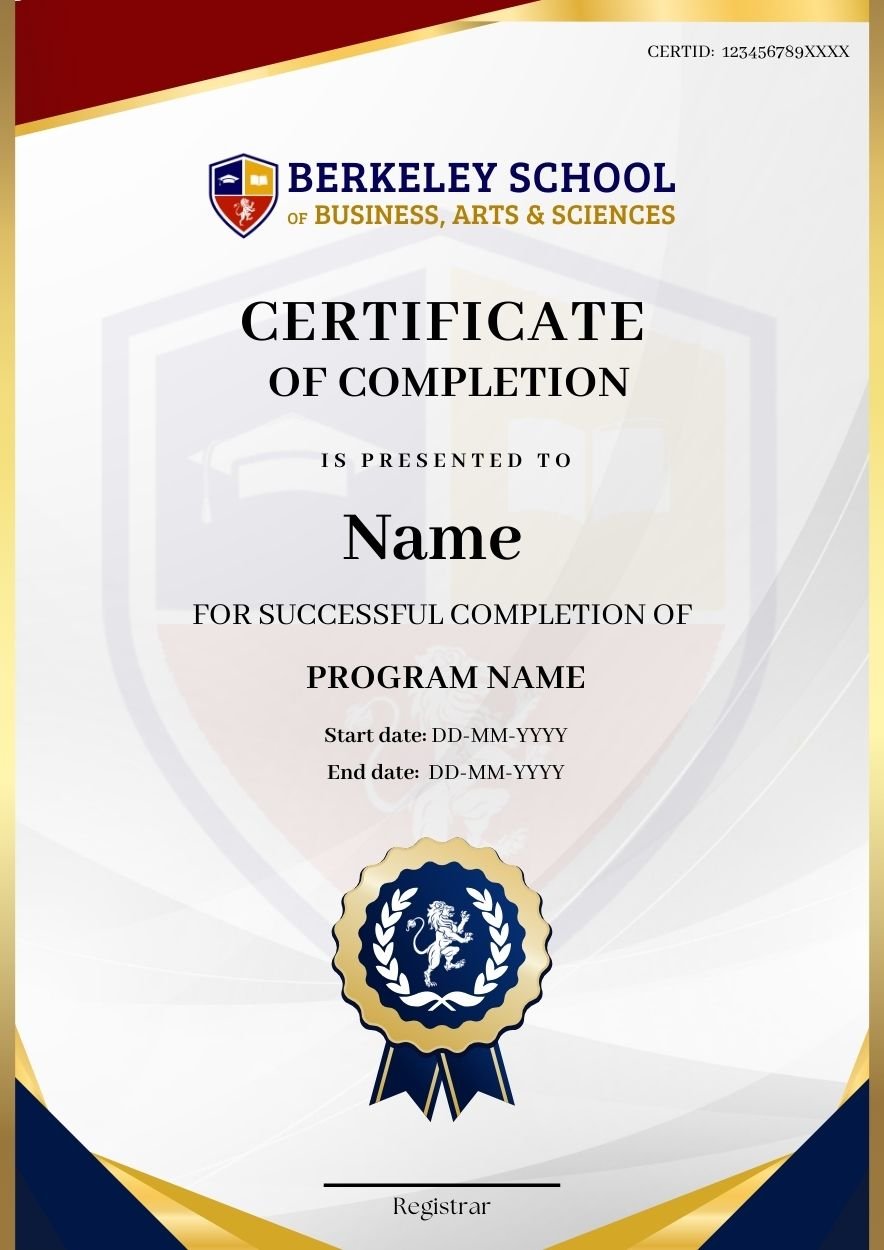
You will get a certificate of completion, which is highly reputed and accepted by employers
Progress to higher-level education qualifications, bachelor's or postgraduate degree programs, or professional certifications in TESOL, TEFL, English language teaching, and educational leadership.
Study English language teaching methodologies, lesson planning, language acquisition, classroom management, and assessment through a curriculum aligned with international teaching standards.
Strengthen communication, classroom leadership, cultural awareness, critical thinking, lesson planning, learner engagement, and reflective teaching skills required for successful careers in English language education.
Contact Us