BERKELEY SCHOOL OF BUSINESS, ARTS & SCIENCES

Certified Kubernetes Administrator

The Certified Kubernetes Administrator (CKA) certification is designed for professionals who want to demonstrate their skills in deploying, managing, and maintaining Kubernetes clusters. Additionally, it validates expertise in Kubernetes administration and helps professionals enhance their cloud-native technology skills.

Certified Kubernetes Administrator

Overview

Certified Kubernetes Administrator

Certified Kubernetes Administrator


The Certified Kubernetes Administrator (CKA) certification validates a professional’s ability to deploy, manage, and troubleshoot Kubernetes clusters. It focuses on essential areas such as cluster architecture, installation, networking, security, storage, and workload management. This certification is ideal for professionals aiming to demonstrate expertise in managing Kubernetes environments in real-world scenarios.


Additionally, the CKA certification helps learners develop practical skills required to operate production-level Kubernetes systems effectively. It covers key concepts such as container orchestration, application lifecycle management, cluster maintenance, and troubleshooting techniques. Professionals gain hands-on experience in configuring Kubernetes components, monitoring cluster performance, and ensuring reliable application deployment.


The certification is valuable for system administrators, DevOps engineers, cloud professionals, and IT specialists working with containerized applications. It strengthens knowledge of modern cloud-native technologies and prepares professionals to manage scalable, secure, and efficient Kubernetes infrastructures. By earning the CKA credential, individuals can enhance their career opportunities and demonstrate industry-recognized expertise in Kubernetes administration.

Offered By

Berkeley School of Buisness Art & Sciences

What is the Eligibility?

  • Typically, there are no specific prerequisites for this certification.
  • However, It is suitable for individuals interested in, Certified Kubernetes Administrator regardless of their background.

Who can do?

Who can do?
anyone who is interested to learn about following concepts can pursue Certified Kubernetes Administrator:
Cloud-native technologies, DevOps practices, System Administration and Infrastructure Management, Containerization, Career Advancement.
individuals with the following designations:
After pursuing the Certified Kubernetes Administrator (CKA) certification, you can explore various career designations, including Kubernetes Administrator, Cloud Engineer, DevOps Engineer, Site Reliability Engineer (SRE), Cloud Solutions Architect, Infrastructure Engineer, Systems Engineer, Containerization Engineer, Platform Engineer, and DevOps Consultant..

Course structure

Module 1: Kubernetes Architecture & Cluster Management

Fundamentals of Kubernetes architecture, including its core components like the API Server, etcd, and Kubelet. It also explores cluster setup and configuration using tools like kubeadm, as well as node management and troubleshooting. This module provides a solid foundation for managing and maintaining Kubernetes clusters.

Module 2: Kubernetes Workloads, Scheduling, and Networking

Managing Kubernetes workloads, including Pods, Deployments, StatefulSets, and DaemonSets. It covers advanced scheduling techniques using Taints, Tolerations, and Affinity rules to optimize resource allocation. The module also dives into Kubernetes networking, including services, DNS, network policies, and configuring Ingress controllers for secure application exposure.

Module 3: Kubernetes Storage, Security, and Monitoring

Persistent storage management with Persistent Volumes (PVs) and Persistent Volume Claims (PVCs), along with dynamic provisioning. It covers Kubernetes security practices such as Role-Based Access Control (RBAC), Service Accounts, and securing communication. The module also introduces monitoring and logging solutions, including integrating tools like Prometheus, Grafana, and the EFK stack for efficient cluster observability.

Module 4: Advanced Kubernetes Administration & Automation

Helm for application management and deployment automation using charts. It also covers CI/CD integration with tools such as Jenkins and GitLab to streamline continuous deployment pipelines. Additionally, the module explores advanced cluster management techniques, including autoscaling, Custom Resource Definitions (CRDs), and Kubernetes Operators for automating complex operations.

Lecture plan

Learning Methodology

Berkeley offers expertly developed learning materials tailored to meet participants' needs, ensuring comprehensive coverage of the syllabus and optimal exam preparation.

‣ Tailored Material: Guides are designed to cover the entire syllabus, offering full preparation and deep understanding.

‣ In-Depth Content: Unlike superficial outlines, our materials provide fully developed theories and concepts, equipping participants with complete knowledge.

‣ Strategic Study: We help participants prioritize study time by indicating the weight of each topic, allowing efficient focus on crucial areas.

‣ Difficulty Levels: Topics are labeled as "Awareness" or "Proficiency," guiding participants to allocate time based on the required depth of knowledge.

‣ Comprehensive Coverage: Our materials include detailed theory and a glossary of technical terms to clarify complex concepts.

‣ Effective Learning Techniques: Visual aids and memorization techniques ensure long-lasting retention, helping candidates succeed.

Berkeley’s methodologies equip participants with the essential knowledge and tools for both exams and future success.

Lectures
Lectures

Our lecture plan integrates structured learning with interactive teaching methods, promoting engagement and collaboration. This approach ensures a comprehensive understanding of concepts, fostering critical thinking and practical application in real-world scenarios.

Practice Session
Practice Session

Practice sessions offer hands-on experience through guided exercises, enhancing skills and reinforcing knowledge. This practical approach ensures mastery of concepts, promoting.

Mock Examination
Mock Examination

Mock examinations simulate real test conditions, providing valuable practice and assessment. This helps identify strengths and weaknesses, ensuring thorough preparation and boosting confidence for actual exams.

berkeley's performance standards

Evaluates and ensure the quality of the training program and all its deliverables.  This is measured through the following indicators:
‣ Instructors' experience and style in presenting and explaining topics.
‣ Variety and balance of teaching methods (such as discussions, case studies, mock exams and videos) used in the course to ensure retention and to match the learning objectives.
‣ Level of interactivity.
‣ Feedback from program participants
‣ Full compliance with Institute standards and guidelines for preparation and study requirements and methodology.
‣ Progress reports from the training program provider.

Success Stories

Success Stories

“As a strong advocate for education and human development, I commend Berkeley for its exceptional commitment to empowering future leaders. The institution stands as a symbol of excellence, innovation, and opportunity. Students who walk its halls are nurtured with knowledge, values, and vision—qualities that contribute to building a stronger and more prosperous future for our nation.”- H.H. Shaikh Khalifa Al Hamid

Visit our Alumni

Alumni Benefits

‣ Exclusive Networking Events: Access invitations to industry-leading events and thought-leadership gatherings featuring renowned speakers.


‣ Monthly Updates: Stay informed with a newsletter highlighting the latest research, events, and activities from the school.


‣ LinkedIn Community Access: Join the Executive Education LinkedIn group for networking and professional development opportunities.


‣ Educational Discounts: Enjoy a 20% discount on open-enrollment programs and access to workshops focused on emerging trends.


‣ Global Alumni Network: Connect with a diverse alumni community through the Berkeley School’s online network and engage in country and interest groups.

Is It Worth the Investment?

​The annual salaries for a Certified Kubernetes Administrator (CKA) can vary significantly based on factors such as experience, location, and company size.

  • United States: The average salary for a Kubernetes Administrator is approximately $82,287 USD per year, with a typical range between $55,000 and $92,000. ​
     
  • United Kingdom: In the UK, the average salary is around £24,223 GBP annually, with salaries ranging from £19,000 to £28,000. ​
     
  • Canada: Kubernetes Administrators in Canada earn an average of $49,060 CAD per year, with a typical range between $39,000 and $55,000. ​
     
  • United Arab Emirates (UAE): Salaries in the UAE are generally competitive, often reflecting global standards, especially in tech hubs like Dubai.​
     
  • Kingdom of Saudi Arabia (KSA):KSA offers attractive compensation packages for tech professionals, particularly in cities like Riyadh and Jeddah.

Career path

What You Earn

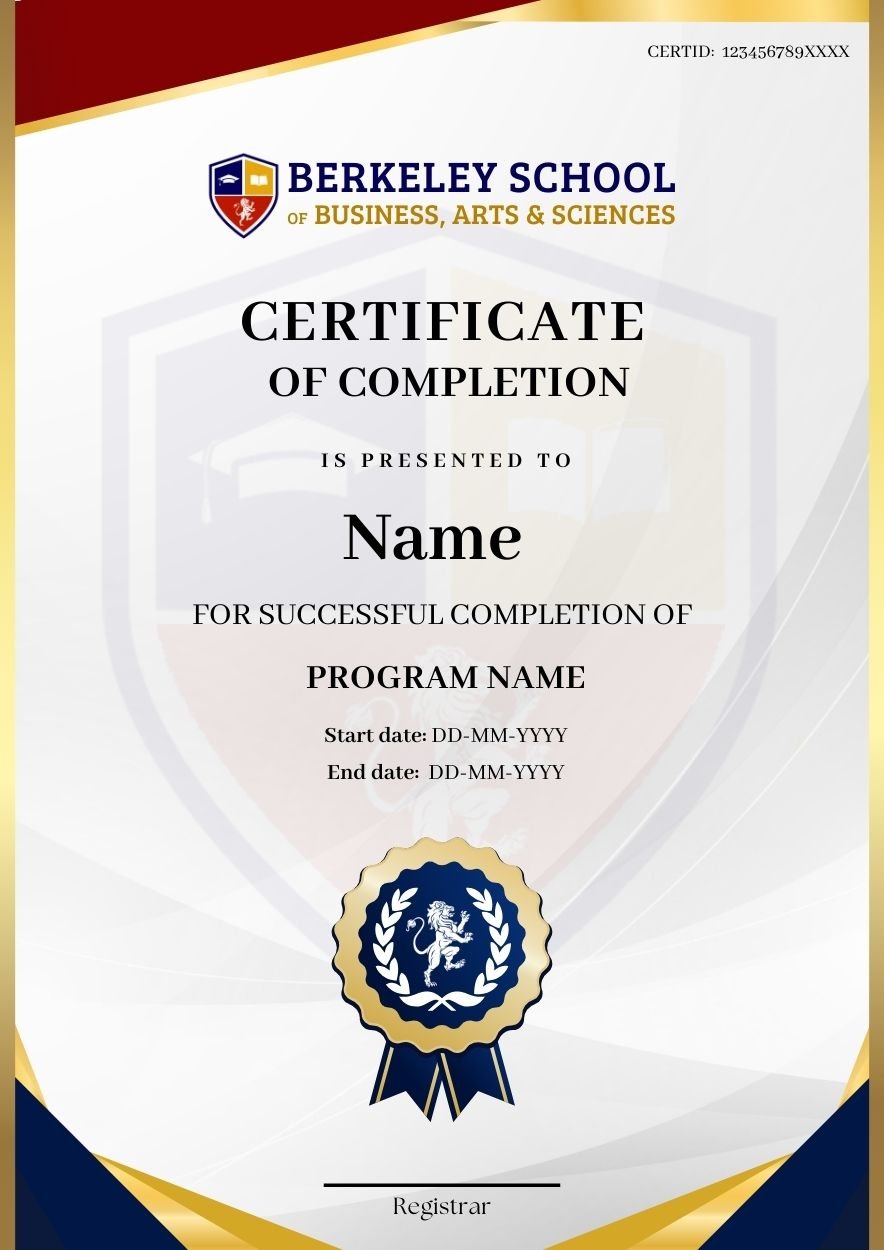
You will get a certificate of completion, which is highly reputed and accepted by employers.

What You Earn

Industry Relevance

The CKA certification is highly relevant across industries embracing cloud-native technologies, especially in IT, finance, healthcare, and tech-driven enterprises.

Future Trends

The future of CKA is promising as Kubernetes continues to dominate cloud-native infrastructure, driving demand for skilled administrators across DevOps and cloud platforms.

Technical Skills

CKA include Kubernetes architecture, cluster setup, containerization (Docker), YAML, networking, security, Helm, monitoring, and troubleshooting in Linux environments.

Career Advancement

CKA certification opens doors to advanced roles in cloud infrastructure, DevOps, and Kubernetes administration across global tech industries.

Fundamental Knowledge

CKA includes understanding Kubernetes architecture, core components, networking, workloads, and cluster management using the command line.

Related courses

Docker Certified Associate (DCA)

The Docker Certified Associate (DCA) certification validates skills in building, deploying, and managing containerized applications. It is designed for IT professionals seeking expertise in Docker technologies. Additionally, the certification demonstrates foundational knowledge of containerization concepts and Docker tools.

Read More

FAQ: Certified Kubernetes Administrator

contact us for more information or to apply for admission. Seats fill up quickly, so we encourage early registration!

Cart

Cart (0)