Certified Associate in Project Management (CAPM) is an entry-level certification by PMI, validating foundational project management knowledge. It covers key concepts from the PMBOK® Guide, making it ideal for aspiring project managers and professionals looking to enhance their project management skills.
The Certified Associate in Project Management (CAPM) is an entry-level certification offered by the Project Management Institute (PMI) for individuals looking to establish a career in project management. This certification validates foundational project management knowledge, covering essential concepts, processes, and terminology outlined in the PMBOK® Guide (Project Management Body of Knowledge). Ideal for aspiring project managers, team members, and professionals seeking to enhance their project management skills, CAPM provides a strong foundation to manage small projects or contribute effectively to larger initiatives. It serves as a stepping stone to the Project Management Professional (PMP) certification and career advancement in project leadership roles.
PROJECT MANAGEMENT INSTITUTE (PMI)
The objectives of the Certified Associate in Project Management (CAPM) certification are to provide professionals with a solid foundation in project management principles, processes, and best practices. It aims to develop knowledge of project management frameworks, methodologies, . The certification enhances skills in project planning, execution, risk management, stakeholder communication, and resource allocation. It prepares individuals for entry-level project management roles, improves career prospects, and serves as a stepping stone for advanced certifications like PMP (Project Management Professional) (PMP).
Typically, there are no specific prerequisites for this certification. It is suitable for individuals interested in project management professional pmp , regardless of their background.
Participants will learn the fundamental principles and processes of project management, including the five process groups (Initiating, Planning, Executing, Monitoring and Controlling, Closing). They will understand the key knowledge areas involved in managing a project, such as scope, time, cost, quality, resources, and risk. Participants will also become familiar with the role of the project manager, the various organizational structures, and the impact of project constraints on project success. Additionally, they'll explore the importance of stakeholder engagement, communication, and how to effectively initiate and close a project.
Participants will learn how to develop and manage the project scope and integrate various project processes. They will understand how to define the project's goals, deliverables, and requirements clearly to ensure alignment with stakeholder expectations. Participants will also explore creating a project charter, establishing the project scope, and performing scope verification and control. Additionally, they will learn how to manage project changes through change control processes and ensure that all project components are properly coordinated, facilitating seamless execution. This module emphasizes maintaining alignment with the overall project objectives throughout its lifecycle.
Participants will learn how to effectively implement the project plan and ensure the project is progressing as intended. They will understand key processes like coordinating people and resources, managing stakeholder expectations, and maintaining communication throughout the project lifecycle. The module will cover how to track project performance using key performance indicators (KPIs) and tools like earned value management (EVM), while also addressing issues like scope creep, risks, and quality control. Participants will gain practical knowledge on making adjustments to the project plan to ensure it stays on track, meets deadlines, and adheres to budget constraints.
Participants will learn the essential steps for successfully closing a project, ensuring all deliverables are met, and the project is formally concluded. They will understand the importance of documenting lessons learned, conducting project evaluations, and compiling final project reports. The module will also prepare participants for the CAPM exam by providing an in-depth review of key concepts from the PMBOK® Guide. They will gain exam strategies, learn how to approach different question types, and engage in practice tests to strengthen their understanding and readiness. This ensures participants are fully prepared to pass the CAPM exam and earn the certification.
Berkeley offers expertly developed learning materials tailored to meet participants' needs, ensuring comprehensive coverage of the syllabus and optimal exam preparation.
‣ Tailored Material: Guides are designed to cover the entire syllabus, offering full preparation and deep understanding.
‣ In-Depth Content: Unlike superficial outlines, our materials provide fully developed theories and concepts, equipping participants with complete knowledge.
‣ Strategic Study: We help participants prioritize study time by indicating the weight of each topic, allowing efficient focus on crucial areas.
‣ Difficulty Levels: Topics are labeled as "Awareness" or "Proficiency," guiding participants to allocate time based on the required depth of knowledge.
‣ Comprehensive Coverage: Our materials include detailed theory and a glossary of technical terms to clarify complex concepts.
‣ Effective Learning Techniques: Visual aids and memorization techniques ensure long-lasting retention, helping candidates succeed.
Berkeley’s methodologies equip participants with the essential knowledge and tools for both exams and future success.
Lectures provide in-depth theoretical knowledge through structured learning modules, covering core project management concepts and frameworks. These sessions focus on building a strong foundation in CAPM syllabus areas, ensuring clear understanding of methodologies, processes, and best practices.
Practice sessions offer hands-on experience through guided exercises, enhancing skills and reinforcing knowledge. This practical approach ensures mastery of concepts, promoting confidence and competence in real-world applications
Mock examinations simulate real test conditions, providing valuable practice and assessment. This helps identify strengths and weaknesses, ensuring thorough preparation and boosting confidence for actual exams
Evaluates and ensure the quality of the training program and all its deliverables. This is measured through the following indicators:
‣ Instructors' experience and style in presenting and explaining topics.
‣ Variety and balance of teaching methods (such as discussions, case studies, mock exams and videos) used in the course to ensure retention and to match the learning objectives.
‣ Level of interactivity.
‣ Feedback from program participants
‣ Full compliance with Institute standards and guidelines for preparation and study requirements and methodology.
‣ Progress reports from the training program provider.
“As a strong advocate for education and human development, I commend Berkeley for its exceptional commitment to empowering future leaders. The institution stands as a symbol of excellence, innovation, and opportunity. Students who walk its halls are nurtured with knowledge, values, and vision—qualities that contribute to building a stronger and more prosperous future for our nation.”- H.H. Shaikh Khalifa Al Hamid
‣ Exclusive Networking Events: Access invitations to industry-leading events and thought-leadership gatherings featuring renowned speakers.
‣ Monthly Updates: Stay informed with a newsletter highlighting the latest research, events, and activities from the school.
‣ LinkedIn Community Access: Join the Executive Education LinkedIn group for networking and professional development opportunities.
‣ Educational Discounts: Enjoy a 20% discount on open-enrollment programs and access to workshops focused on emerging trends.
‣ Global Alumni Network: Connect with a diverse alumni community through the Berkeley School’s online network and engage in country and interest groups.
The annual salaries for professionals with a Certified Associate in Project Management (CAPM) certification vary based on location, industry, and experience.
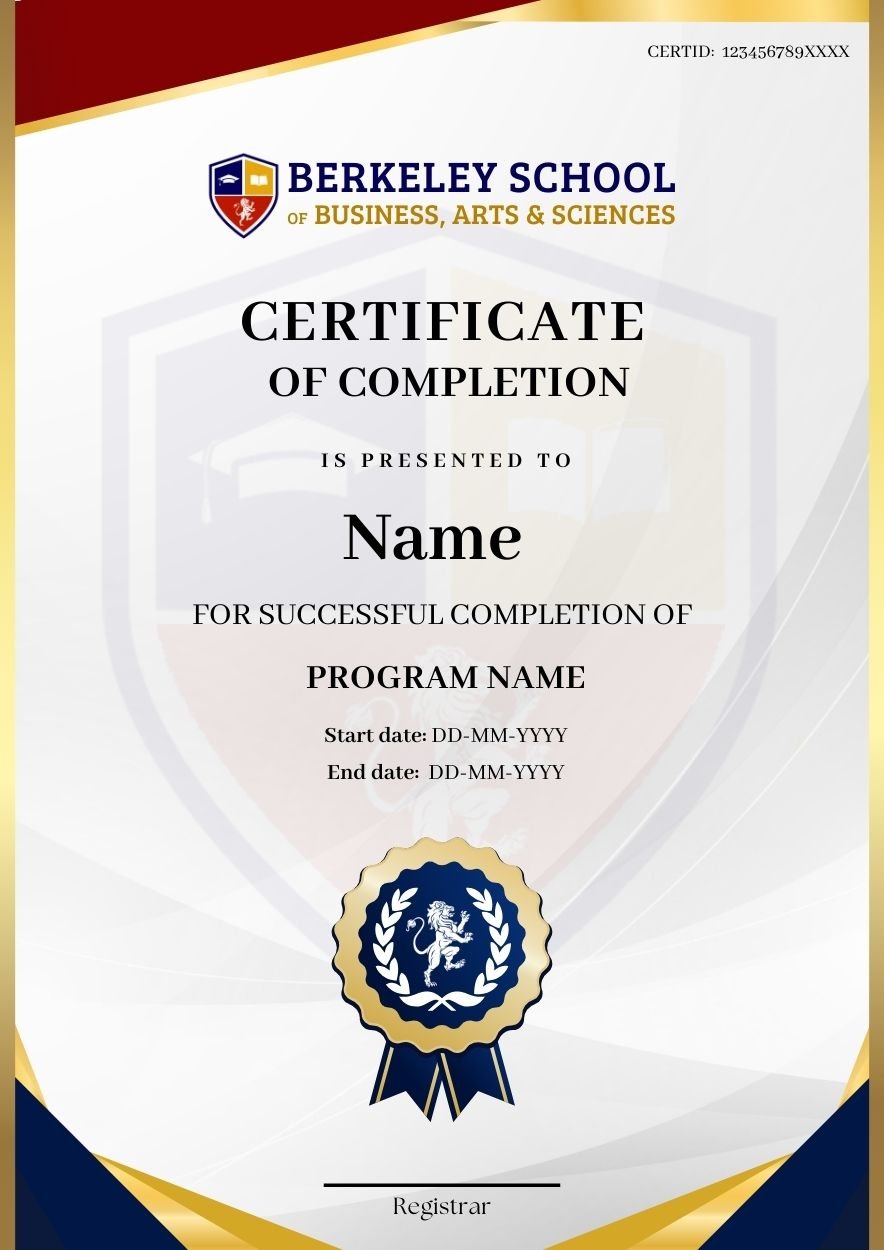
You will get a certificate of completion, which is highly reputed and accepted by employers
It's includes project management principles, processes, frameworks, and best practices based on PMI standards.
It's include project planning, risk management, scheduling, budgeting, stakeholder communication, and project lifecycle execution.
It's include increased adoption of AI-driven project management, agile and hybrid methodologies, remote collaboration tools, and data-driven decision-making.