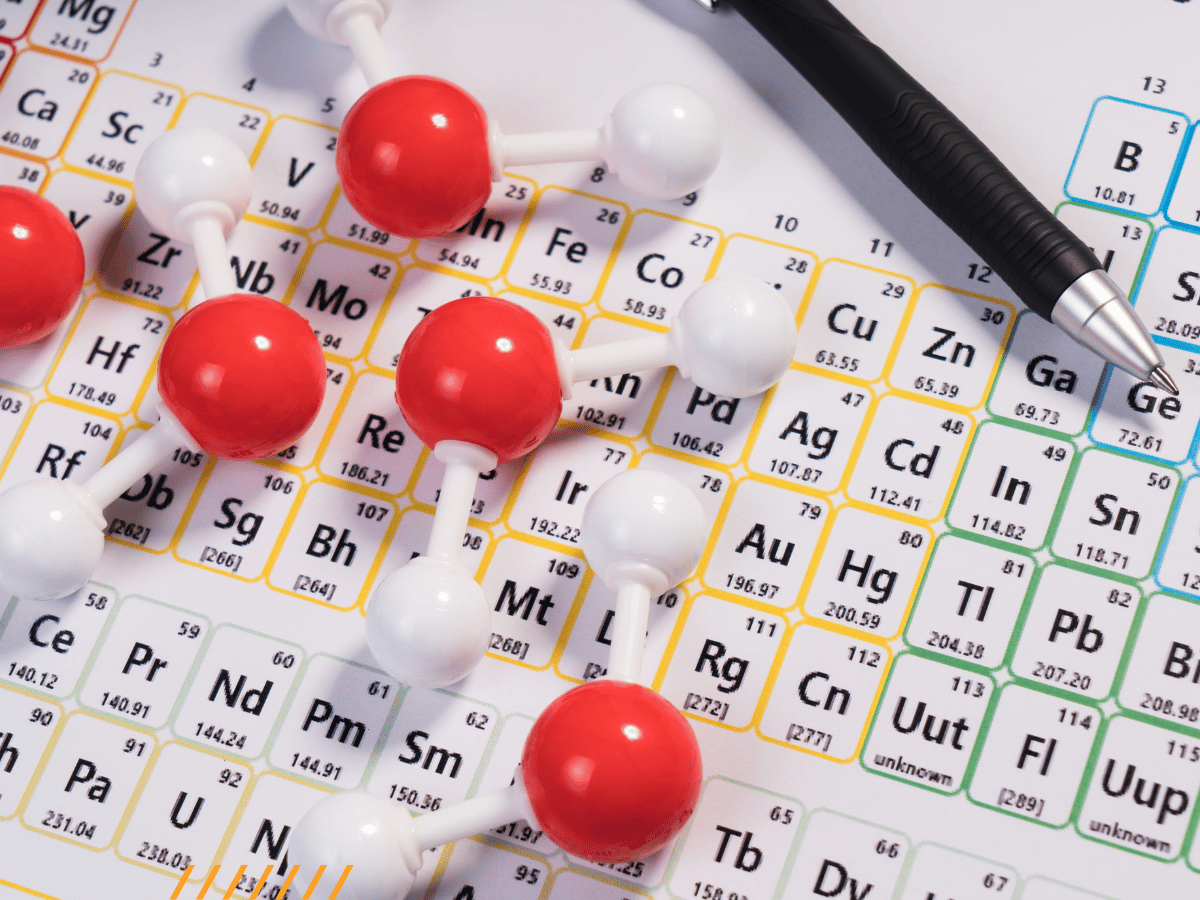
Cambridge International AS & A Level Chemistry is an internationally recognized programme that emphasizes experimental investigation, scientific interpretation, quantitative analysis, and evidence-based learning through structured laboratory applications and practical assessments. The programme strengthens understanding of organic, inorganic, and physical chemistry while developing analytical thinking, scientific research, and evaluation skills through flexible online and classroom learning.
Offered By
Berkeley School of Business, Arts & Sciences
Vision & Mission
To provide internationally aligned A Level Chemistry education that develops scientific knowledge, analytical reasoning, laboratory competency, and research-focused learning for academic and professional success. The programme prepares learners for university progression in medicine, pharmacy, engineering, biomedical sciences, environmental science, and other STEM-related disciplines through high-quality academic instruction, practical applications, and globally recognized educational standards.
Students seeking admission to the A Level Chemistry programme should have successfully completed IGCSE, O Level, GCSE, or an equivalent secondary education qualification with foundational knowledge of Chemistry, Mathematics, and related science subjects. Cambridge International AS & A Level Chemistry is suitable for learners aiming to pursue higher education in Medicine, Pharmacy, Engineering, Biotechnology, Biomedical Sciences, Environmental Science, and other internationally recognized STEM-related disciplines.
Interested to learn
Chemical Reactions, Organic Chemistry, Laboratory Experimentation, Analytical Thinking, Scientific Research, Problem-Solving, Evidence-Based Scientific Analysis, Physical Chemistry, Inorganic Chemistry, Quantitative Analysis, Practical Laboratory Skills, Scientific Interpretation.
Future pathways and careers
Medicine, Pharmacy, Chemical Engineering, Biomedical Sciences, Environmental Science, Biotechnology, Research Science, Laboratory Sciences, STEM-Related Academic Pathways, STEM-Related Professional Careers.
Session 1: Fundamentals of Physical Chemistry
Physical Chemistry explores molecular interactions, reaction principles, equilibrium systems, and quantitative scientific analysis for advanced chemistry applications.
✓
Atomic Structure and Mole Concept
✓
Chemical Bonding and Intermolecular Forces
✓
States of Matter and Gas Laws
✓
Thermochemistry and Energetics
✓
Reaction Rates and Chemical Kinetics
✓
Chemical Equilibrium and Le Chatelier’s Principle
✓
Acids, Bases, and pH Calculations
✓
Electrochemistry and Redox Reactions
Session 2: Principles of Inorganic Chemistry
Inorganic Chemistry focuses on periodicity, chemical reactivity, industrial processes, and coordination chemistry applications in modern science.
✓
Periodic Table and Periodicity
✓
Group Trends and Chemical Properties
✓
Halogens and Noble Gases
✓
Transition Metals and Coordination Chemistry
✓
Oxidation States and Redox Reactions
✓
Ionic Compounds and Crystal Structures
✓
Industrial Inorganic Processes
✓
Applications of Inorganic Chemistry
Session 3: Fundamentals of Organic Chemistry
Organic Chemistry examines hydrocarbons, functional groups, reaction mechanisms, and synthesis techniques used in industrial chemistry.
✓
Introduction to Organic Compounds
✓
Hydrocarbons: Alkanes, Alkenes, and Alkynes
✓
Functional Groups and Organic Reactions
✓
Isomerism and Stereochemistry
✓
Reaction Mechanisms and Catalysis
✓
Aromatic Compounds and Benzene Chemistry
✓
Alcohols, Aldehydes, Ketones, and Carboxylic Acids
✓
Organic Synthesis and Laboratory Techniques
Session 4: Analytical and Laboratory Chemistry
Analytical Chemistry focuses on laboratory competency, chemical analysis, instrumentation, and scientific investigation techniques used in modern industries.
✓
Introduction to Analytical Chemistry
✓
Qualitative and Quantitative Analysis
✓
Chromatography Techniques
✓
Spectroscopy and Instrumental Analysis
✓
Titration and Volumetric Analysis
✓
Gravimetric and Electrochemical Methods
✓
Laboratory Safety and Good Laboratory Practice
✓
Practical Laboratory Experiments and Reporting
Part 1: Core Principles of Physical Chemistry
Atomic Structure and Chemical Bonding (3)
+
States of Matter and Gas Laws (3)
+
Thermochemistry and Energetics (3)
+
Reaction Kinetics and Equilibrium (3)
+
Part 2: Core Concepts of Inorganic Chemistry
Periodic Table and Atomic Trends (3)
+
Group Chemistry and Elements (3)
+
Transition Metals and Coordination Chemistry (3)
+
Part 3: Core Principles of Organic Chemistry
Introduction to Organic Chemistry (3)
+
Hydrocarbons and Reactions (3)
+
Isomerism and Reaction Mechanisms (3)
+
Part 4: Analytical Techniques and Laboratory Applications
Introduction to Analytical Chemistry (3)
+
Chromatography and Spectroscopy (3)
+
Volumetric and Gravimetric Analysis (3)
+
Berkeley provides expertly designed A Level Chemistry learning materials aligned with international academic standards, ensuring complete syllabus coverage and effective examination preparation.
▸ Comprehensive Study Material: Structured resources support conceptual clarity, laboratory understanding, and advanced chemistry learning outcomes.
▸ Advanced Academic Content: Learners gain in-depth scientific knowledge, analytical reasoning, and evidence-based chemistry interpretation skills.
▸ Strategic Learning Support: Topic-focused preparation helps students prioritize high-weight syllabus areas efficiently.
▸ Skill-Based Learning: Practical applications and laboratory-focused exercises strengthen scientific competency and problem-solving abilities.
▸ Effective Revision Techniques: Guided methodologies improve long-term retention, exam readiness, and academic confidence.
Berkeley’s structured methodology equips learners with essential chemistry knowledge and globally recognized academic preparation.
Our lecture plan integrates structured A Level Chemistry learning with interactive teaching methods that strengthen engagement, analytical reasoning, and scientific collaboration. This approach builds conceptual understanding, critical thinking, and practical laboratory application for real-world academic and professional success.
Practice sessions provide hands-on A Level Chemistry experience through guided exercises, strengthening analytical skills, laboratory competency, and scientific understanding. This practical learning approach reinforces core concepts, improves problem-solving ability, and supports academic excellence.
Mock examinations simulate real A Level Chemistry test conditions, providing valuable academic practice and performance assessment. This process helps identify strengths, improve weak areas, strengthen exam preparation, and build confidence for final international examinations.
Evaluates and ensures the quality of the A Level Chemistry training programme and academic deliverables through internationally aligned educational standards and performance indicators:
▸ Experienced instructors delivering advanced scientific concepts and analytical chemistry methodologies effectively.
▸ Balanced teaching strategies including discussions, laboratory practice, mock examinations, and evidence-based learning approaches.
▸ Interactive learning environments supporting laboratory competency, engagement, and scientific interpretation skills.
▸ Continuous participant feedback and academic performance evaluation for quality learning outcomes.
▸ Full compliance with international curriculum standards, assessment frameworks, and academic preparation guidelines.
▸ Structured progress reporting and learner development monitoring throughout the programme duration.